

Audio By Carbonatix
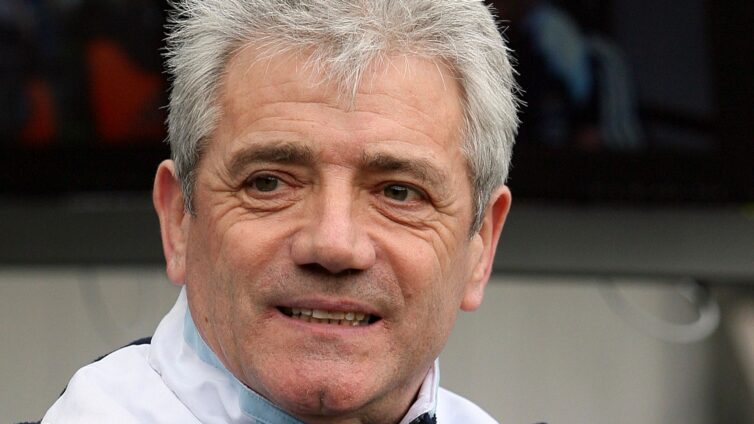
Kevin Keegan has died at the age of 75.
It was announced in January that the former England player and manager had been diagnosed with stage four cancer, with his family revealing he was set to begin treatment.
"It is with immense sadness that we announce that Kevin Keegan has passed away at the age of 75," a statement from Keegan's family read.
"The former England player and manager had been battling cancer and was surrounded by his wife and daughters in his final moments.
"Kevin, a double Ballon D'or winner, was a much loved husband, father and grandfather. The family would like to thank Kevin's incredible medical team for all their support. This is a hugely difficult time and they are requesting space and privacy."
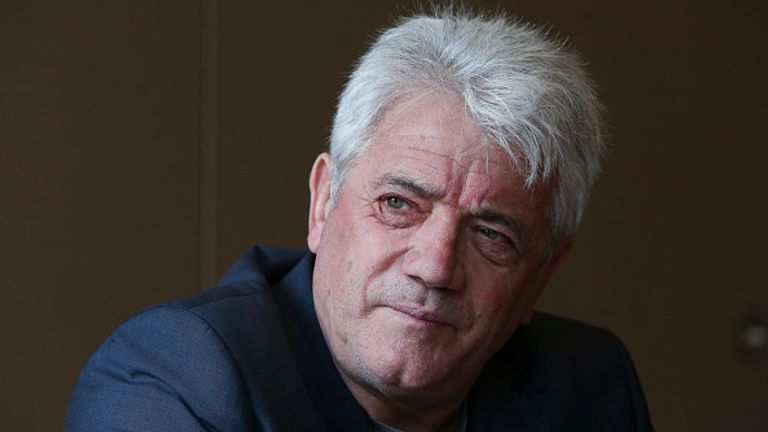
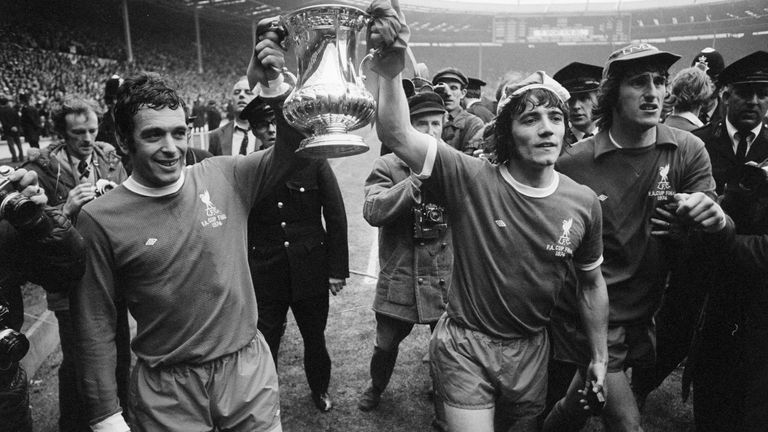
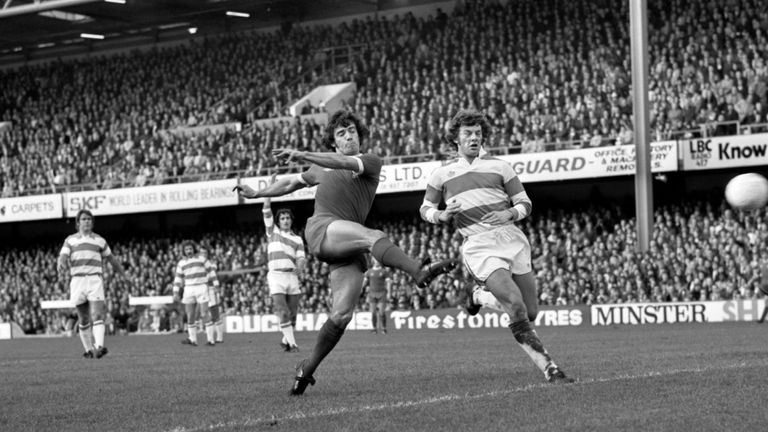
Keegan was considered one of the best players of his generation and enjoyed a stellar playing career, making almost 750 club appearances, lifting the First Division trophy four times with Liverpool and winning the Ballon d'Or back-to-back in 1978 and 1979 while playing for Hamburg in the Bundesliga.
Seven years after his retirement, he took his first coaching role as manager of a struggling Newcastle team in February 1992. The Magpies were in danger of being relegated to Division Two but Keegan kept them up and then led them to the Premier League in his first full season in charge. Then, in 1996, he took Newcastle to within touching distance of their first top-tier title since 1927.
Newcastle were Premier League title favourites for most of that 1995/96 season, at one stage being 12 points clear of Manchester United. But a dramatic collapse from Keegan's side coupled with a Sir Alex Ferguson-inspired Man Utd winning 13 of their last 15, eventually saw Newcastle finish second by four points.
Late defeats at the hands of Liverpool and Nottingham Forest in the run-in saw United eventually haul them in. As the pressure mounted on a beleaguered Keegan, who was desperate to deliver the title to a passionate Newcastle fanbase, his infamous "I'd love it.." post-match interview after victory at Leeds, aimed at Sir Alex, among others, unfortunately characterised his time at St James' Park.
He would go on to manage England, for whom he had scored 21 goals in 63 games as a player, between February 1999 and October 2000 - resigning minutes after a 1-0 defeat to Germany in the last game played at the old Wembley Stadium.
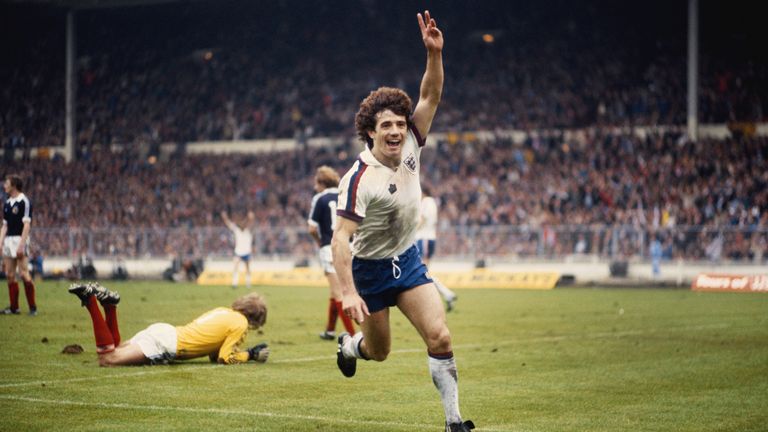
His time as national boss also saw England fail to get out of the group stage at Euro 2000, despite a 1-0 win over Germany, as defeats by Portugal and Romania piled on the pressure even before that defeat at the hands of Dietmar Hamann's free-kick four months later in the first qualifier for the 2002 World Cup.
A spell at Manchester City followed, which included promotion to the Premier League in 2002 as Division One champions, but Keegan left the club in March 2005, initially announcing his retirement from football.
Keegan made an emotional return to Newcastle in 2008, but only lasted eight months following tensions with the board and owner Mike Ashley.
Latest Stories
-
Finance Minister advises African governments to strengthen regional tax cooperation
1 hour -
NPP accuses NDC of master-minding demolition of Ho regional office fence
1 hour -
Ghana plans stronger regional power trade with Nigeria
1 hour -
GRA Commissioner-General calls for stronger tax cooperation to boost regional revenue mobilisation
1 hour -
NACOC needs more personnel to tackle drug trafficking – Toobu
1 hour -
Railway workers resist KMA eviction order, demand consultation
1 hour -
Legacy Leadership Africa Institute to host boardroom women’s leadership programme
2 hours -
Ghana needs a law to sustain constitutional reforms – CDD-Ghana
5 hours -
COVID fumigation audit: Auditor-General has a lot of questions to answer – Akwatia MP
5 hours -
Stranded Ghanaian medical graduates in Cuba appeal to Mahama for immediate return
5 hours -
GNFS contains fire outbreak at Teshie Lekma Road near Lekma Hospital
11 hours -
Samia Nkrumah rejects the narrative that Ghanaians were happy after Nkrumah’s overthrow
12 hours -
A Mother’s pain: Tribute by Ivan Baidoo’s mother
13 hours -
‘Forgive us for staying away’ — Samia Nkrumah leads family back to Nkroful, pledges to preserve Nkrumah’s legacy
13 hours -
Ernest Nuamah scores twice as Lyon beat Rennes
13 hours