

Audio By Carbonatix
The International Justice Mission (IJM) Ghana, in partnership with the Department of Social Welfare and Community Development, law enforcement agencies, Community Child Protection Committees and the judiciary, has completed a two-day training programme aimed at strengthening survivor-centred responses within Ghana’s child protection and justice systems.
The Trauma-Informed Care (TIC) Training brought together frontline professionals who work directly with vulnerable children and survivors of abuse, exploitation and violence.
The programme focused on helping participants better understand trauma, its impact on survivors, and how institutions can respond in ways that promote healing while reducing the risk of re-traumatisation.
Participants also explored the effects of vicarious trauma on professionals who regularly handle sensitive cases and learned practical self-care strategies to improve their resilience and effectiveness.
Strengthening collaboration among institutions
Beyond individual capacity building, the training provided a platform for stakeholders across different sectors to strengthen collaboration in managing cases involving survivors.
Participants discussed ways to improve referral pathways, clarify institutional responsibilities and enhance communication between agencies to ensure survivors receive coordinated support.
Facilitators highlighted how trauma can affect a survivor’s behaviour, memory, decision-making and interactions with justice institutions.
They stressed the importance of creating safe and supportive environments where survivors feel respected, heard and empowered throughout the recovery process.
Commitment to survivor dignity
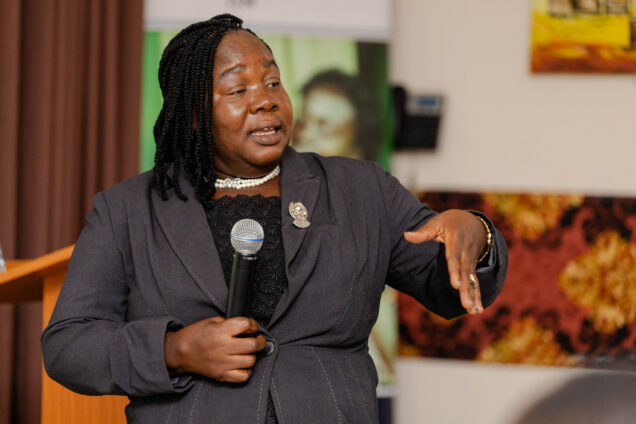
Speaking at the close of the training, Aftercare Manager at IJM Ghana, Vida Mamle-Selorm Hodinyah, said trauma-informed care goes beyond professional expertise and reflects a commitment to recognising survivors’ experiences.
“Trauma-informed care is not merely a professional skill, it is a commitment to recognising the experiences of survivors and responding in ways that promote healing and dignity,” she said.
She added that when social workers, law enforcement officers, community protection actors and judicial officers share a common understanding of trauma, survivors are more likely to receive the support needed to recover.
Social workers and police perspectives
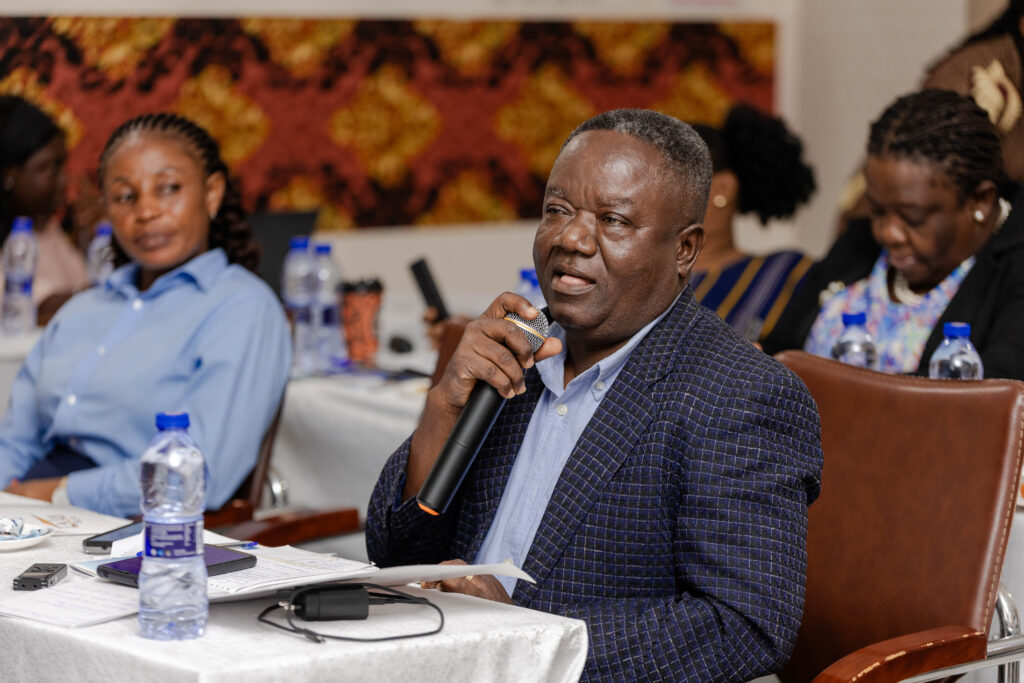
The Head of the Department of Social Welfare and Community Development at the Ada East District, Enoch Bampoe Addy, said the training had provided participants with practical tools to improve their engagement with survivors.
“Every interaction with a survivor has the potential either to support healing or to unintentionally deepen trauma. This training has reinforced the need for empathy, patience, and coordinated service delivery,” he said.
Meanwhile, the Head of the Anti-Human Trafficking Unit of the Ghana Police Service, Superintendent William Ayaeregah, said integrating trauma-informed approaches into investigations would improve how officers engage with survivors.
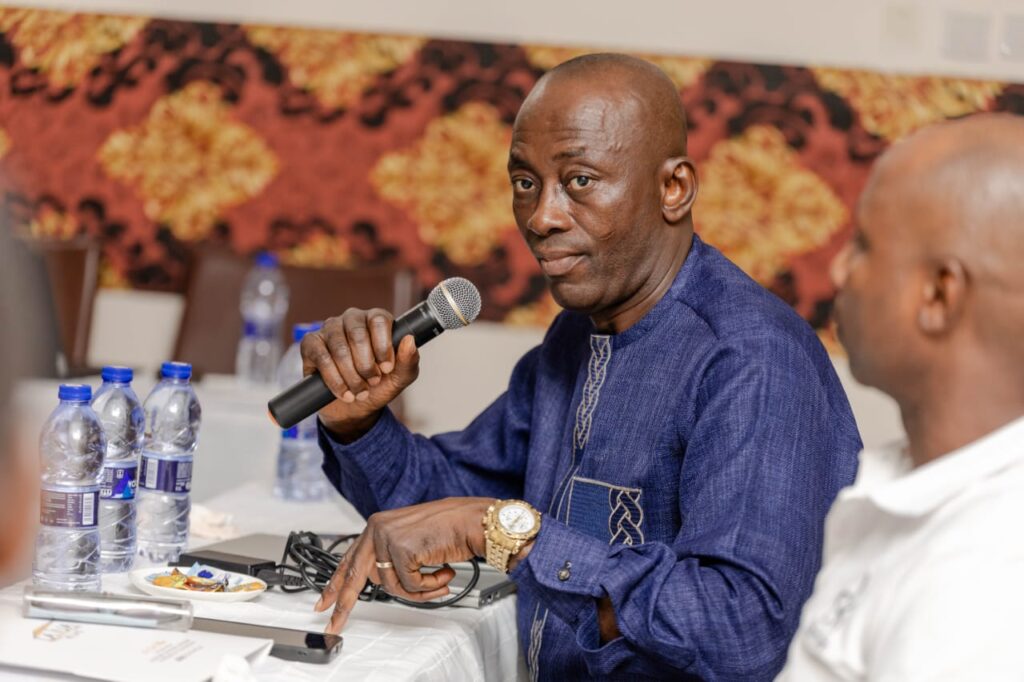
“Effective law enforcement is not only about gathering evidence; it is also about ensuring that survivors feel safe, respected, and heard throughout the justice process,” he said.
Survivors contribute to discussions
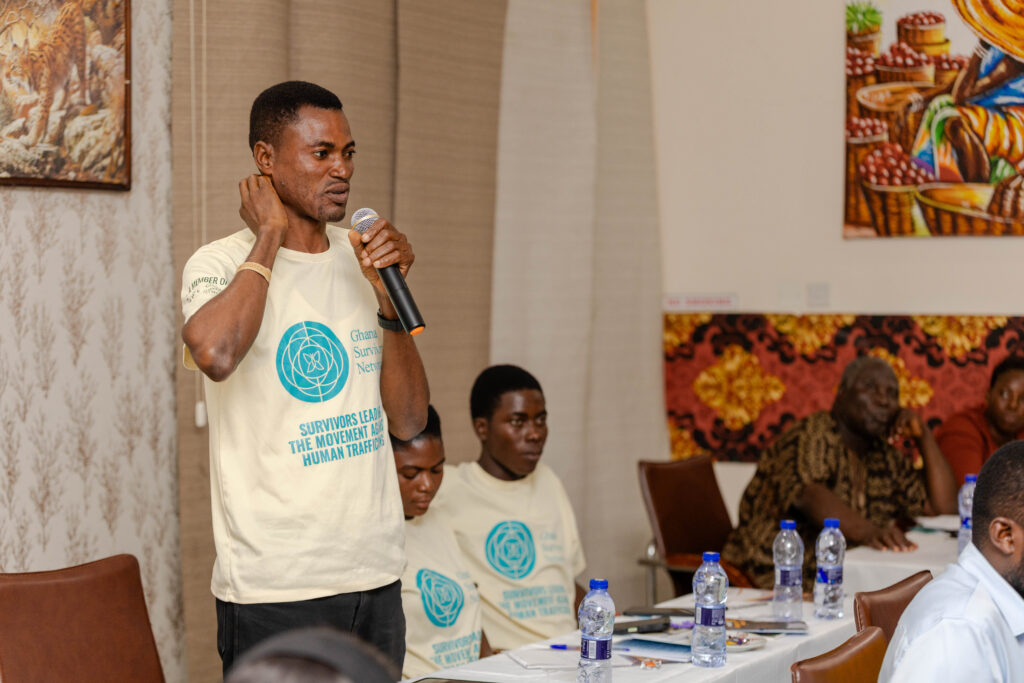
The training also featured contributions from members of the Ghana Survivors Network, including representatives from the Hope in Freedom and Overcomers Chapters.
Their participation provided insights into the experiences of survivors during recovery and reintegration and helped shape discussions around more responsive protection systems.
The initiative forms part of IJM Ghana’s broader efforts to strengthen child protection and justice systems by equipping stakeholders with the skills required to deliver survivor-centred and trauma-informed services.
Through continued collaboration among government institutions, law enforcement agencies, communities and civil society organisations, IJM Ghana says the goal is to build systems that promote healing, accountability and sustainable recovery for survivors of violence and exploitation.
Latest Stories
-
Turning invitations into arrests is making citizens reluctant to assist police – Twumasi Ankrah
2 minutes -
The Traffitech-GH SMS spot-fine system: The good, the sad, and the funny – Bright Simons writes
14 minutes -
Hawa Koomson pledges experienced and mature leadership of NPP women’s wing
1 hour -
Young woman found dead at Kasoa Peace Town
2 hours -
Playback: The Law examined lawful arrest in Ghana
2 hours -
Mahama urges African governments to treat healthcare as an investment, not budget cost
3 hours -
Bawumia congratulates John Boadu and new NPP executives, pledges support ahead of 2028
3 hours -
‘No talent should be left out’ – Bawumia pledges inclusive NPP campaign for 2028
3 hours -
Prof. Mike Oquaye recounts how he blocked the Special Prosecutor’s attempt to arrest Bawku Central MP
3 hours -
Make health sovereignty a priority for Africa – Mahama
3 hours -
Dorimon Naa, Wa West DCE lead massive clean-up exercise; threaten sanctions against recalcitrant residents
4 hours -
Photos from Adom FM Y2K Jam
4 hours -
Praye Tiatia steals the show at Adom FM Y2K Jam [Watch]
4 hours -
Boakye Agyarko congratulates John Boadu, pledges support for NPP leadership
4 hours -
Antwi HiMight thrills fans with Antwi ne Antwi hits at Adom FM’s Y2K Jam [Video]
4 hours