

Audio By Carbonatix
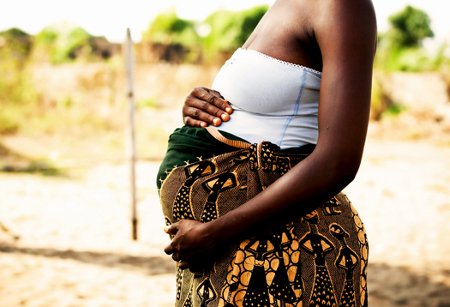
The National Population Council (NPC) says teenage pregnancy and Human Immune Virus (HIV) infections among young people remain major challenges to Ghana’s development.
At the Second High-Level Coordination Meeting of Partners in Adolescent Sexual Reproductive Health Policy Implementation and Advocacy in Accra on Thursday, the Deputy Chair of NPC, Dr Nii Akwei Addo, linked teenage pregnancy and the HIV menace to poverty, harmful social and cultural practices, and misinformation.
Dr Akwei said limited access to adolescent-friendly services and emerging risks associated with digital technology were other factors contributing to the prevalence of teenage pregnancy and HIV among young people.
"Teenage pregnancy and HIV infections among young people remain major challenges to Ghana's development," he said.
Dr Akwei, therefore, called for stronger multisectoral coordination, increased domestic investment and meaningful youth participation in the fight against teenage pregnancy and HIV.
He said the implementation of existing programmes and policies to combat the menace must be accelerated.
The Director of Family Health Division at the Ghana Health Service, Dr. Kennedy Brightson, citing the 2022 Demographic Health Survey Report, said 7.8 million, representing 26 per cent of Ghana’s 34 million population, constituted the adolescent group.
“Of the 26 per cent of adolescents, a staggering 15.4 per cent have experienced teenage pregnancy,” she said.
She attributed the high rate to the relatively early age of sexual debut, noting that the median age for first sexual intercourse was 17.4 years for girls and 17.2 years for boys.
On HIV, Dr Brightson said data showed that people within the ages of 15 to 24 were the most affected.
She said parental monitoring and open communication were the strongest protective factors to curb the menace and hence called on parents to have sexual and reproductive health discussions with their children.
Dr Brightson called on schools to prioritise health education, guidance and counseling.
Acting Executive Director of NPC, Mrs. Angelina Osei Kodua-Nyanor, called for stronger partnership and coordinated action to improve sexual and reproductive health outcomes for adolescents and young people in Ghana.
She noted that strong partnership and collective ownership were essential to achieving national development priorities and the Sustainable Development Goals.
"The success of our efforts depends on the active engagement, commitment and collaboration of every institution," she said.
Latest Stories
-
Central Regional Minister urges use of religious platforms to change environmental, sanitation practices
4 minutes -
Henry Kweku Banning
4 minutes -
Execution of US murderer Christa Pike halted an hour before it was due to happen
6 minutes -
GoldBod generates US$1.87bn in FX in September, exceeds monthly target
9 minutes -
SOE comments controversy: ‘We must never abandon our humanity because of judicial office’ – CJ
19 minutes -
Samuel Kojo Brace declares intention to contest NPP parliamentary primary in Ahanta West
21 minutes -
Dr Apaak calls for evidence-based education response to emergencies
24 minutes -
Pilot may have sought to crash Israel-bound flight after stabbing other pilot, Netanyahu says
29 minutes -
Report flags potential money laundering, terrorist financing risks among Ghana’s NGOs
29 minutes -
Breast Cancer Awareness Month launched: 2,695 women die from breast cancer annually — Dr Ann-Dadzie
37 minutes -
Mahama’s proposed airline looks to South America, Caribbean as Ghana confronts mounting drug trafficking cases
52 minutes -
5% progress on Suame Interchange Phase One inadequate – Roads Minister tasks contractor to speed up work
55 minutes -
Photos: Vice President joins GAAS Awards to celebrate outstanding women leaders
56 minutes -
OSP vs Ken Ofori-Atta, SML and others: Court gives OSP four more weeks to serve Ofori-Atta with summons
57 minutes -
High Commission sends caution to Ghanaians in South Africa ahead of planned protests
1 hour