

Audio By Carbonatix
The rising teenage pregnancy figures in Adaklu have been linked to gaps in parent-child communication, parental neglect and poverty, with child protection advocates calling for stronger family support and open discussions with adolescents on sensitive issues.
Data from the Adaklu Health Directorate show that 109 teenage pregnancies were recorded in 2024. Of the figure, three involved girls aged 10 to 14, while 106 were between 15 and 19 years.
In 2025, the number increased to 120. Four girls aged 10 to 14 were recorded among the cases, while 116 were aged between 15 and 19.
The figures have renewed concerns about the vulnerability of adolescent girls and boys in the district, despite efforts by health authorities and community organisations to improve reproductive health education and child protection.
According to a 2021 baseline study conducted in Adaklu, poor communication between adolescents and their parents or caregivers about sexual issues was a major factor associated with teenage pregnancy. Parental neglect and peer pressure were also identified as contributing factors.
The study found that 87.5 per cent of teenagers surveyed had never discussed sexual issues with their fathers, while only 12.5 per cent had such discussions with their mothers.
Against this background, Friends of Adaklu, in partnership with the SOS Children's Villages Ghana under the Norway-funded NORAD project, is working with communities in Adaklu to strengthen parental care and protect children at risk of losing parental care.
The Child Protection Officer on the project, Roberta Donkor, said poverty was one of the major challenges affecting caregivers, as some parents lacked the resources to provide their children with basic necessities and keep them in school.
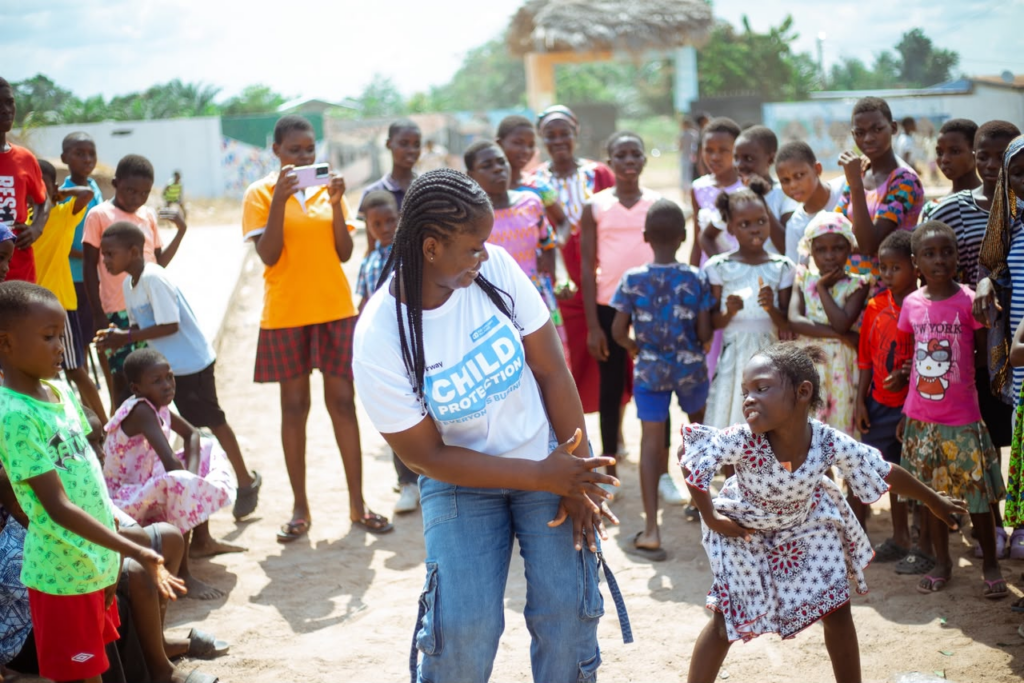
She made the revelation during an advocacy engagement organized for children. She said this was meant to be a safe space for children to speak about challenges they were unable to discuss with their parents. As part of the activities, children were grouped according to their classes and given a safe environment to share their concerns. A confidential box was also provided for children who were uncomfortable speaking openly.
Other activities, including football, musical chairs and sack races, created a relaxed environment where children could feel loved and speak about challenges affecting them.
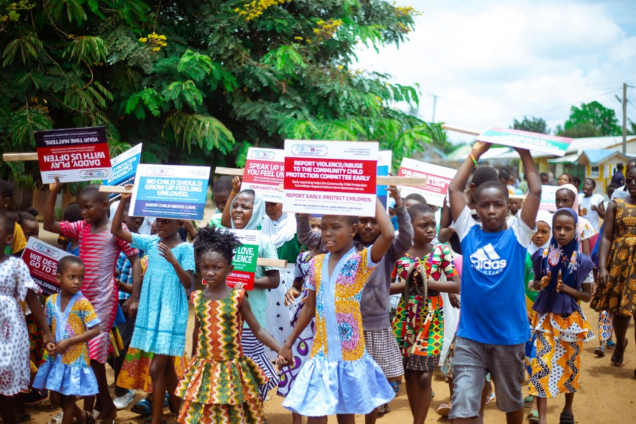
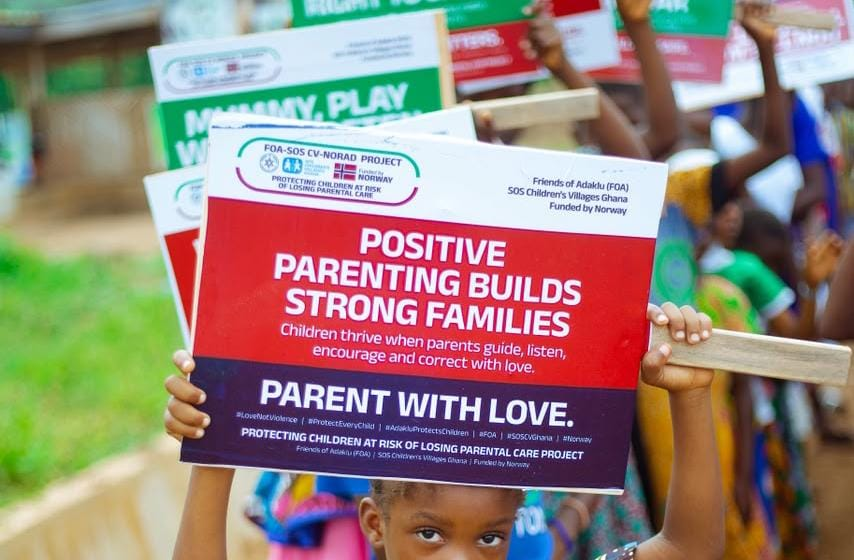
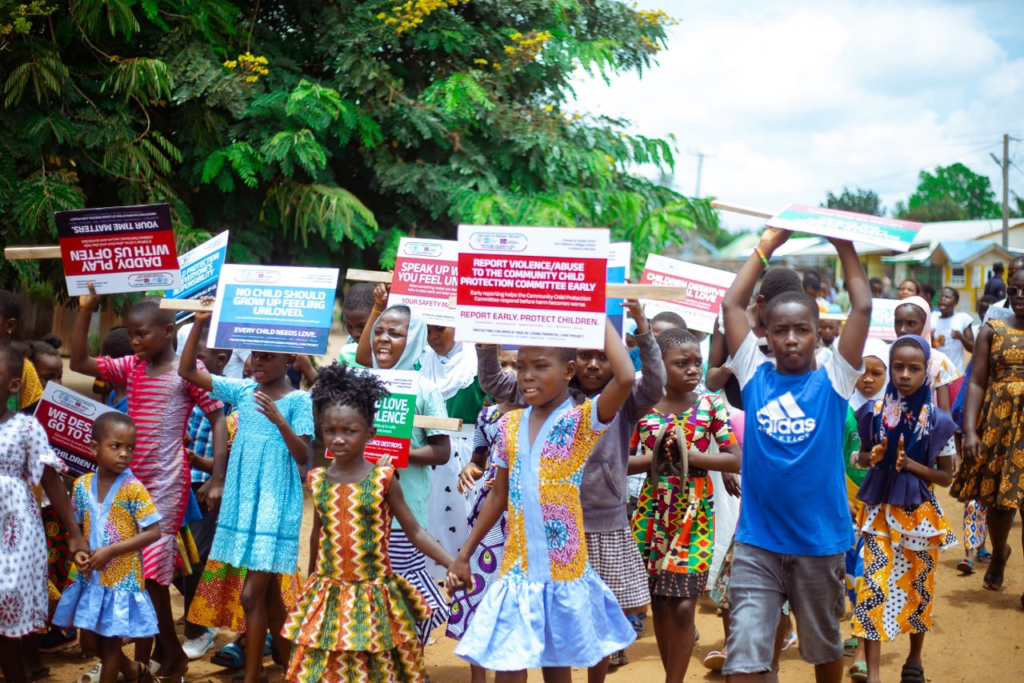
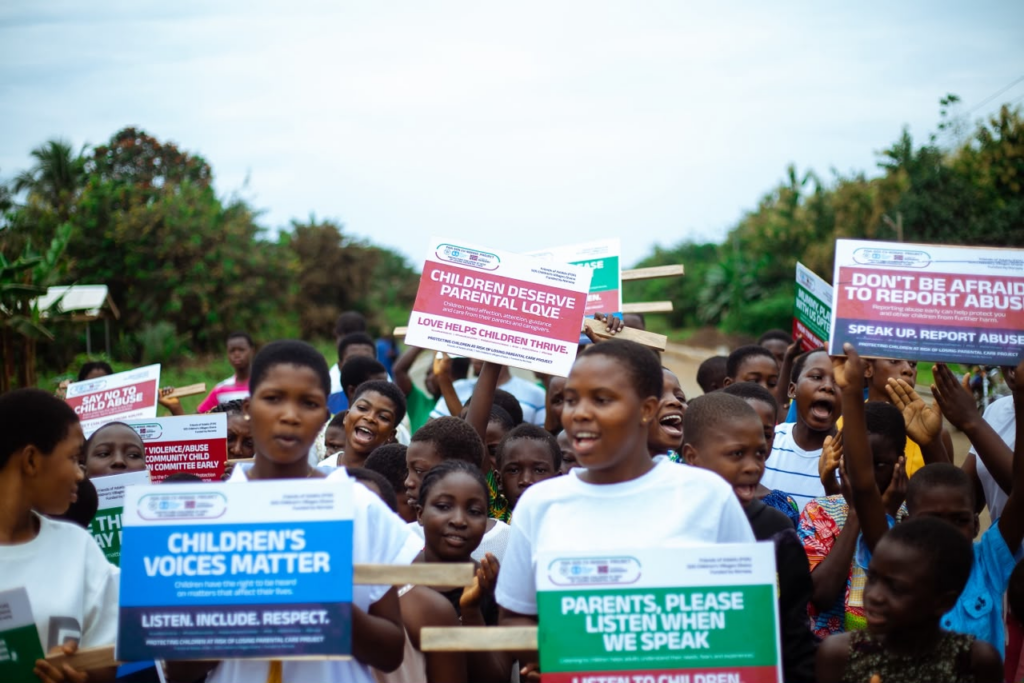
The children also had a procession through the communities with advocacy messages displayed on placards urging parents not to neglect children, to raise them with love and listen to their concerns.
The Project Manager, Stella Kudah said the project also provided grants ranging from GH¢2,000 to GH¢10,000 to help caregivers establish or expand businesses and improve their capacity to care for their children.
She said the intervention mainly focused on improving communication between parents and children, particularly because some caregivers don't spend enough time with their children or know what was happening in their lives. She added that parents were being encouraged to be patient, listen to their children and correct them through love rather than violence.
The project has also established community-based child protection committees in Adaklu Wumenu, Adaklu Goefe, Adaklu Vodze and Adaklu Waya. Members have been trained to identify, handle and refer cases involving abuse, violence and neglect to appropriate authorities, including Social Welfare and the Domestic Violence and Victim Support Unit (DOVVSU).
A teenager in the community expressed concern about how some parents encourage their daughters to enter relationships with men while also subjecting them to harsh physical punishment. She said Friends of Adaklu educating parents on better ways of raising and communicating with their children has led some parents to change their behaviour whilst others have refused to change.
A member of the Community Child Protection Committee, Nathaniel Amebley, said the intervention had contributed to changes in the behaviour of some parents who previously maltreated or neglected their children.
He said some children had previously been thrown out of their homes and left to sleep with friends, but the situation was gradually improving through community education and support.
A beneficiary, Perfect Nyabade, said the programme had taught parents to raise their children with love rather than through physical punishment.
She admitted that she previously used a cane to discipline her children but had stopped after receiving education from Friends of Adaklu, although she acknowledged that some parents still used corporal punishment.
Latest Stories
-
Council of State describes talks with striking teachers as fruitful
9 minutes -
Adjaye Associates opens new Accra studio with public space for cultural exchange
19 minutes -
BoG to issue new Credit Risk Directive as NPL ratio in the Savings and Loans sector deteriorates
23 minutes -
You can preach in a stationary vehicle, but not when it’s moving – Mahama clarifies
29 minutes -
Alhaji Iddrisu Mustapha: The educated professional seeking to bring experience to NDC Western Region leadership
31 minutes -
Former Deputy Trade and Industry Minister Nana Ama Dokua called to Ghana Bar
46 minutes -
Old Edubiase Methodist Basic School pupils turn traders, farmers as teachers’ strike bites harder
47 minutes -
Prudential Bank secures GH¢1.13bn investment from Bloom Africa
54 minutes -
Ernest Kwasi Okoh
59 minutes -
The Trotro has become a House of Worship!
1 hour -
Fire guts Zeko Genius spare parts depot in Techiman; firefighter hospitalised after smoke inhalation
1 hour -
Common insecticides linked to lower sperm concentration in men, study finds
1 hour -
CXP urges businesses to localize AI to improve customer experience
1 hour -
TUC calls on government to urgently address striking teachers’ grievances
1 hour -
GHIMA sounds alarm over unlicensed practitioners handling health data, warns of threat to patient safety
2 hours