

Audio By Carbonatix
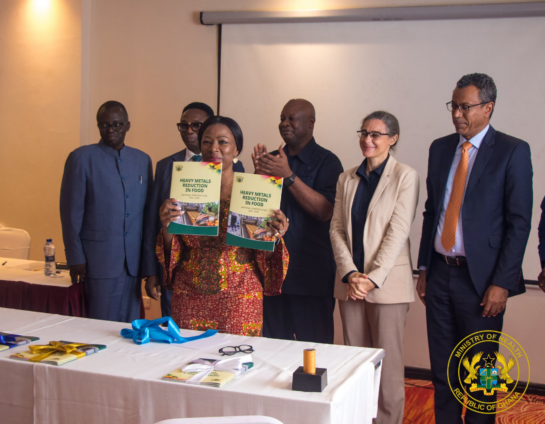
Ghana has launched a five-year National Strategic Plan for Heavy Metals Reduction in Food (2026–2030) aimed at reducing exposure to harmful contaminants and strengthening food safety across the country.
The plan seeks to address the risks posed by heavy metals, including lead, cadmium, mercury and arsenic, which can enter the food system through environmental contamination, agricultural practices, food processing and packaging.
Children and pregnant women are particularly vulnerable to the harmful effects of exposure to these contaminants.
Speaking at the launch, Deputy Minister for Health, Prof. Dr Grace Ayensu-Danquah, described food safety as a key foundation for national development.
She said ensuring access to safer food would help protect public health, build consumer confidence, support the food industry and improve the competitiveness of Ghanaian products on local and international markets.
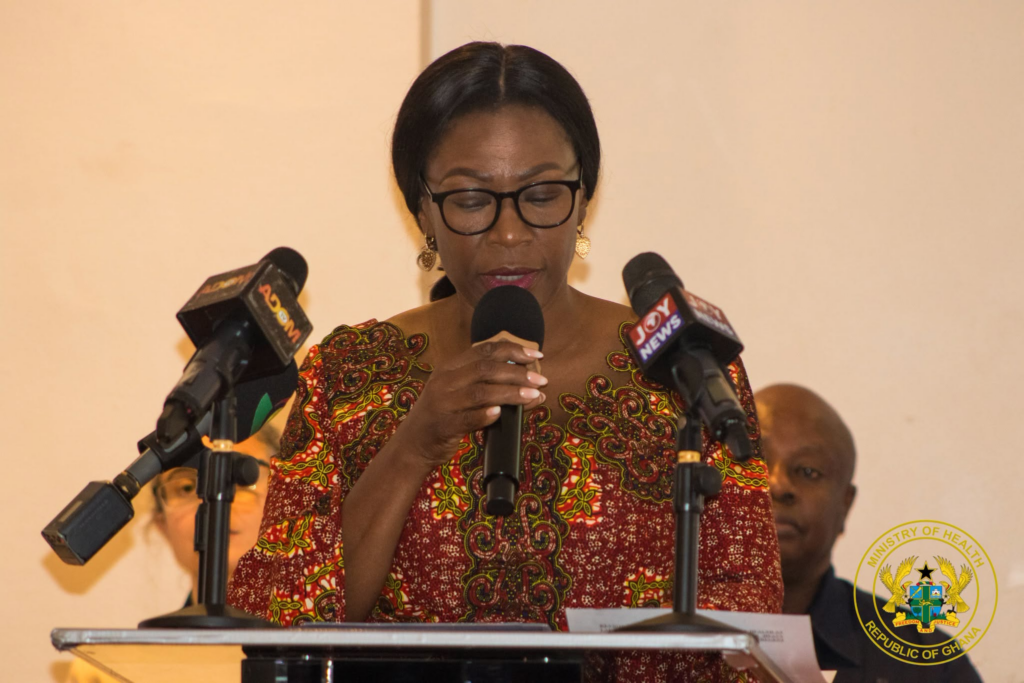
According to her, the strategic plan provides a coordinated framework for strengthening regulation, surveillance, laboratory capacity, industry compliance, research and public education on heavy-metal contamination.
She also stressed the need for effective coordination and accountability among institutions responsible for food safety to ensure the plan achieves its objectives.
Prof. Ayensu-Danquah commended UNICEF for its technical and financial support towards the development of the plan and called on all relevant stakeholders to support its implementation.
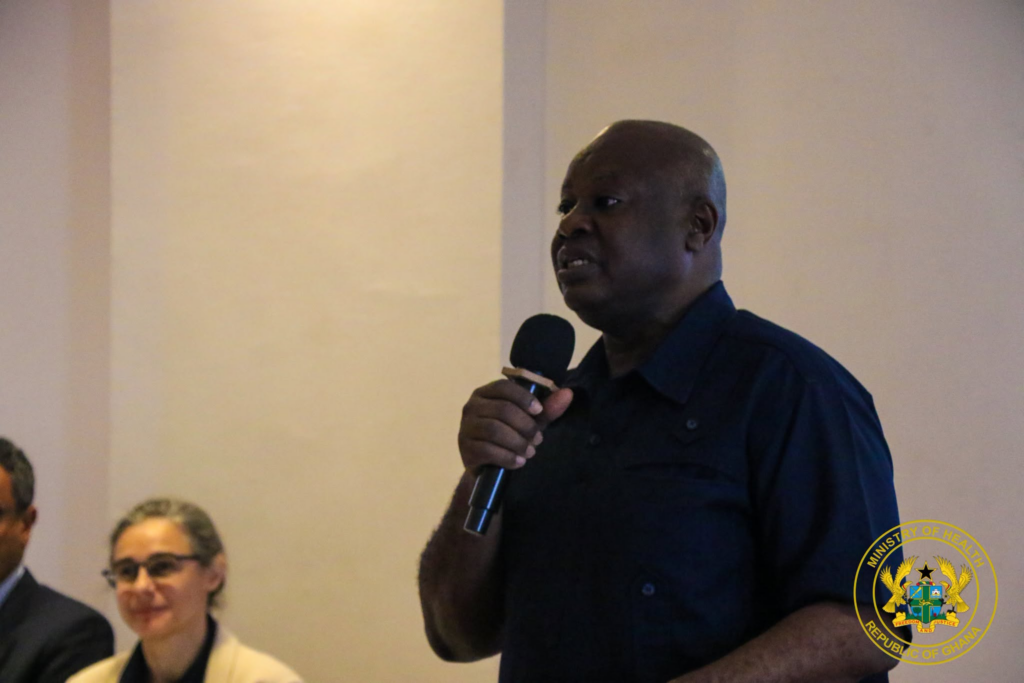
The Deputy Chief Executive of the Food and Drugs Authority (FDA), Roderick Daddey-Adjei, said the plan was developed through extensive consultations with key stakeholders.
He noted that the FDA, with support from UNICEF, had generated evidence on heavy-metal contamination in selected food products, providing a basis for targeted interventions under the new strategy.
The five-year plan is expected to strengthen Ghana’s capacity to detect, monitor and control heavy metals across the food chain, while improving collaboration between institutions involved in food safety.
The launch brought together representatives from the Ministry of Health, FDA, Ministry of Food and Agriculture, Environmental Protection Agency, Ghana Standards Authority, Minerals Commission, UNICEF, academia, industry, civil society organisations and other development partners.
The stakeholders are expected to play a key role in implementing the plan and promoting safer food practices across the country.
Latest Stories
-
Pregnant woman and husband found dead in a room at Anloga-Kportorgboe
9 minutes -
Man, 87, jailed 20 years for defiling nine-year-old girl at Ofankor
19 minutes -
Maresca says ‘feeling is fantastic’ among Man City squad
31 minutes -
Sam George warns FBI Director against taking sole credit for Ghana cybercrime operation
34 minutes -
Foreign capital no passport to Ghana’s informal retail market – GIPA CEO
44 minutes -
E&P model should be seen as a blueprint for building local mining giants – GIPA Boss
51 minutes -
Govt’s decision to reduce nurse training long overdue – GRNMA
53 minutes -
Ghana needs emergency health fund to respond swiftly to outbreaks – SEND Ghana
1 hour -
Gov’t must prioritise local vaccine manufacturing for future outbreaks – SEND Ghana
1 hour -
Salomey Awiti Baffoe reunites with family and colleagues after release
1 hour -
Fumigation must begin immediately to contain suspected yellow fever – SEND Ghana
1 hour -
Yellow fever response too slow; gov’t must cut bureaucracy – SEND Ghana
1 hour -
National Security Implications of the Security and Intelligence Agencies Act, 2026 (Act 1168) of Ghana
1 hour -
NACOC, INL deepen cooperation to combat drug trafficking and organised crime
2 hours -
GEPA CEO calls for investment to transform Ghana’s economic opportunities
2 hours