

Audio By Carbonatix
Plastic waste has become one of the biggest environmental challenges facing Ghana. Every day, thousands of plastic bottles, bags, sachet water wrappers and food containers are discarded on streets, in drains and along beaches. During the rainy season, these plastics often block drainage systems, contributing to flooding and creating breeding grounds for mosquitoes that can spread diseases.
While many people see plastic waste as a nuisance, others are proving that it can be turned into a valuable resource. Across the country, individuals and businesses are transforming discarded plastics into economic opportunities, creating jobs while helping to protect the environment.
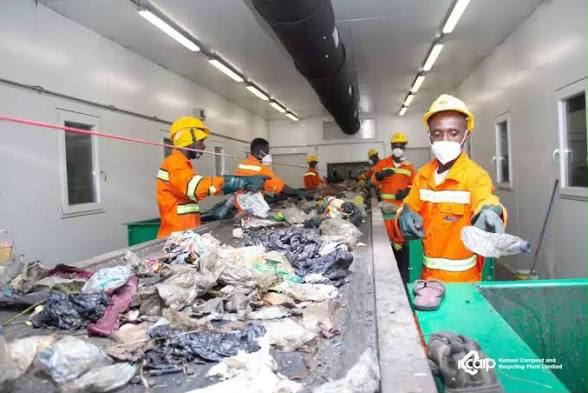
The growing recycling industry in Ghana demonstrates how waste can be transformed into wealth. Plastic waste is collected from homes, markets, schools and public places before being sorted according to type and colour. The materials are then washed, shredded into small pieces and processed into raw materials for manufacturing new products.
Some companies use recycled plastics to produce chairs, buckets, school desks, paving blocks, flower pots and construction materials. This process not only reduces pollution but also gives new life to materials that would otherwise end up in landfills, drains and waterways.
The plastic recycling value chain has also become a source of employment for many Ghanaians. Waste collectors earn an income by gathering and selling plastic waste to recycling centres. Young entrepreneurs have established collection businesses, employing workers to retrieve plastic waste from communities. Others work in recycling factories, where they operate machinery, sort materials, package recycled products and transport finished goods.
Women and young people, who often face difficulties finding formal employment, are among those benefiting from these opportunities.
Beyond job creation, plastic recycling contributes significantly to environmental conservation. Removing plastic waste from streets and waterways can reduce the risk of flooding, improve sanitation and protect marine life. Cleaner communities can also help reduce health risks associated with poor waste management.
Recycling also helps conserve natural resources by reducing the need to produce new plastic from raw materials. This can contribute to lower energy consumption and greenhouse gas emissions.
Despite these benefits, the recycling sector continues to face several challenges. Many communities lack adequate waste bins and organised systems for separating plastic from other household waste. Public awareness about recycling also remains limited, resulting in large quantities of recyclable plastics being mixed with organic waste.
Some recycling companies also struggle to secure sufficient investment, modern equipment and reliable transportation to collect waste from remote communities.
Experts believe that addressing these challenges requires collaboration among government institutions, private companies, schools, civil society organisations and citizens. Public education campaigns can encourage households to separate recyclable waste, while local authorities can provide more collection points and strengthen waste management systems.
Schools can also play an important role by educating students about environmental responsibility and the importance of recycling.
Several community organisations and private businesses have already introduced initiatives that reward residents for collecting plastic waste. In some communities, residents can exchange plastic bottles for cash, household items or other incentives. Such programmes encourage responsible waste disposal while providing additional income for families.
The transformation of plastic waste into useful products demonstrates that environmental protection and economic development can go hand in hand. What was once regarded as rubbish is now providing livelihoods for many people while helping to create cleaner and healthier communities.
As more individuals embrace recycling and support sustainable waste management practices, Ghana has an opportunity to reduce pollution, create decent jobs and build a greener future.
Plastic waste does not have to remain an environmental problem. With innovation, investment and public participation, yesterday's trash can become tomorrow's treasure, proving that small actions can lead to significant social, economic and environmental benefits.
Latest Stories
-
Reality Zone with Vicky Wireko: International Day of the Girl, shaping today’s girl for tomorrow’s future – ZONTA Clubs lead the way
28 minutes -
Global health must be led by countries, not designed for them – Mintah Akandoh
1 hour -
Mahama honoured at 2026 World Health Summit in Berlin for global health leadership
2 hours -
Breast cancer is not a death sentence – Besease Kontire Obaapanin, Magmina Foundation lead awareness campaign
2 hours -
EcoBank invests in digital education of 4 Garisson School to mark 40 years in Africa
2 hours -
AGI urges investment in skills and raw materials to strengthen local manufacturing
2 hours -
GPL 2026/27: ‘We have to rectify our mistakes’ – Boadu reacts to Aduana FC defeat
2 hours -
No disability access, no building permit – KMA declares
2 hours -
Asantehene to lead environmental restoration effort at Jimi Land Reclamation Site
2 hours -
Poor Ghanaians are being jailed because they cannot afford justice – Crime Check Foundation
2 hours -
No conflict in appointing Emelia Agbenyo as Deputy EC Chair – NDC
2 hours -
87-year-old man jailed 20 years for defiling 9-year-old girl at Ofankor
2 hours -
Sankofa Gold targets 70kg output after 9-month shutdown
2 hours -
Tamale, Bolgatanga had just one Legal Aid lawyer between them – Kwesimintsim MP
3 hours -
PAC orders eviction of former irrigation company MD from official residence
3 hours