

Audio By Carbonatix
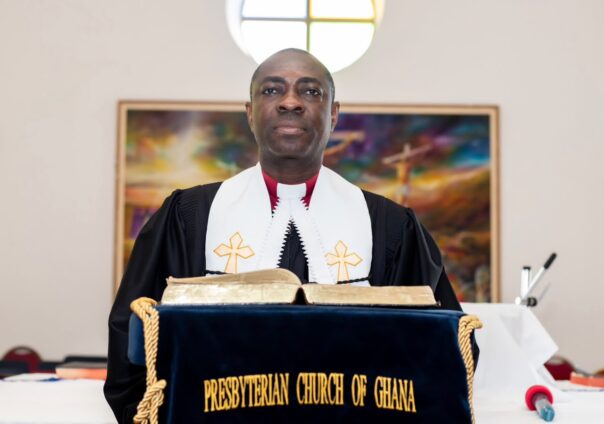
The Presbyterian Church of Ghana has approved a sweeping nine‑point decision at its 26th General Assembly, introducing constitutional amendments, new policy directions, and administrative reforms aimed at strengthening governance and guiding the church’s mission in a changing national and global context.
Meeting at the Ramseyer Training Centre, Abetifi–Kwahu, from 12th to 16th August 2026, the General Assembly adopted a major amendment to Article 25(6) of the PCG Constitution, restructuring how often the General Assembly Council (GAC) meets and what its agenda must cover.
Under the new provision, the GAC will meet not less than three times a year, specifically in March, April, June, July and November.
The agenda for these meetings will now formally include statistics, accounts, percentage contributions, presbytery performance, remissions, directors’ reports, internal audit reports, preparations for General Assembly, location of agents, general review, programmes for the ensuing year, and general administration.
The General Assembly also accepted the church’s policy on occupational health, security and safety, strengthening PCG’s commitment to safe working environments across all its institutions. A significant constitutional amendment was approved regarding Christians serving as palace, stool or skin functionaries.
The revised Paragraph 18(e) of the Third Schedule of the PCG Constitution now states that Christians may serve in purely civil roles but must denounce and renounce all practices connected to ancestral veneration or worship.
The church will accompany such individuals before, during and after installation, guided by procedures to be outlined in the Manual of Order.
To support this change, the GAC has been mandated to align all relevant constitutional provisions and develop official guidelines on the subject.
In response to emerging digital trends, the Assembly agreed that the church’s ICT Policy will be expanded to include guidelines on artificial intelligence and digital transformation, ensuring responsible and ethical use of new technologies.
The General Assembly further directed that all congregations and preaching points must seek clearance from the next higher court before inviting non‑Presbyterians to speak at renewal services, reinforcing doctrinal consistency and oversight.
All decisions of the GAC contained in the Clerk’s report were ratified, affirming the Council’s work over the past year. The General Assembly also accepted the audited financial statement of the PCG for 2025, confirming the church’s financial accountability and transparency. Finally, the General Assembly resolved that the venue for the next General Assembly will be determined by the GAC.
These nine decisions mark a significant step in strengthening the PCG’s governance, doctrinal clarity, administrative efficiency and readiness for digital transformation as the church prepares for the climax of its bicentennial celebration in 2028.
Latest Stories
-
Defending champions SUSEC, Twene Amanfo SHTS secure Bono Zone 2 spots in 2026 NPSC
11 minutes -
ICU-Ghana General Secretary Morgan Ayawine named Africa’s Most Respected CEO in Labour Leadership
13 minutes -
GTEC orders university administrators back to work, gives VCs 48 hours to name defiers
21 minutes -
Chief arrested for allegedly engaging in illegal mining in Tano North
23 minutes -
Fighting fires, fighting for breath: The hidden health toll on Ghana’s firefighters – and the support that still falls short
29 minutes -
Presbyterian Church of Ghana clarifies role of Christians in stool/skin offices
32 minutes -
‘There is no emergency’ – Godfred Dame criticises vacation hearing in Abdul-Hamid case
36 minutes -
Eco SIM and sustainability, making mobile technology greener
50 minutes -
Daily Insight for CEOs: Building a future-ready organization
50 minutes -
The Hunger Project-Ghana commissions ICT Centre at Domi Achiansa Epicenter to bridge digital divide.
50 minutes -
Nabdam: Police arrest 14 for cultivating and distributing ‘wee’
50 minutes -
Afro-Arab Drive Green expands EV fleet to boost jobs through energy transition
54 minutes -
Sunyani Paramount Chief warns chiefs against cemetery land sales and encroachment
54 minutes -
Trump envoy Kushner arrives in Israel after rare Hamas talks on Gaza peace plan
55 minutes -
Burnham exchanged messages with person posing as Trump’s chief of staff
56 minutes