

Audio By Carbonatix
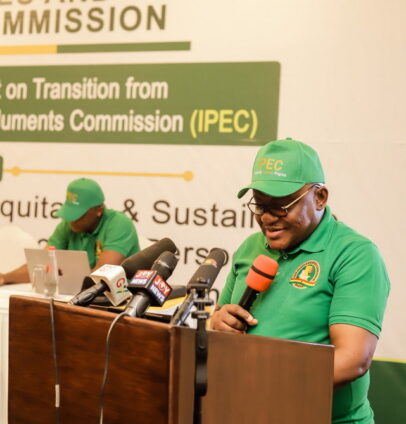
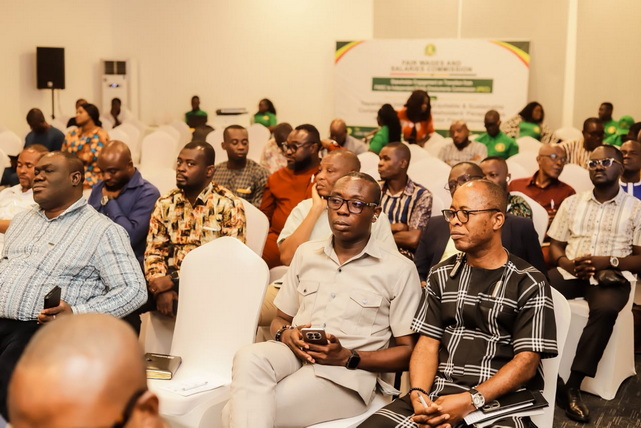
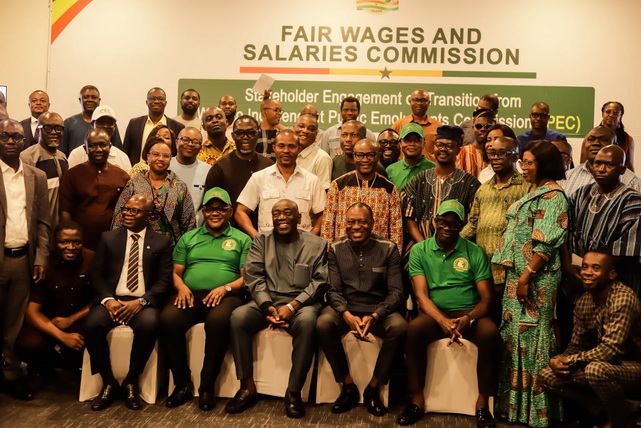
The Fair Wages and Salaries Commission (FWSC) has held a stakeholder engagement with Organised Labour on the transition from FWSC to the Independent Public Emoluments Commission (IPEC).
The engagement, held under the theme “Towards an Independent, Equitable, and Sustainable Compensation System: Stakeholders’ Perspectives on Ghana’s Public Sector Pay Reforms,” brought together key actors to deliberate on the future of public sector compensation.
The two-day meeting was aimed at briefing Organised Labour about the establishment of IPEC and also to solicit input from organised labour towards the development of a draft bill for the establishment of IPEC. The IPEC Bill, when passed, will repeal the Fair Wages and Salaries Commission Act 2007 (Act 737) to address pay fragmentation, politicisation of salaries, and rising wage bill pressures.
Challenges of Single Spine
Speaking at the opening of the meeting, the Chief Executive of FWSC, Dr George Smith-Graham, emphasised that the transition to IPEC must go beyond a mere change in institutional name and instead focus on building a stronger, more credible compensation system.
He noted that years of implementing the Single Spine Pay Policy have exposed several challenges, including disparities in allowances and conditions of service, distortions in internal pay relativities, difficulties in attracting and retaining critical skills, and the increasing need to align compensation with productivity.
“The proposed IPEC should therefore not be understood as a departure from the journey we have travelled. It should represent the next generation of public compensation governance,” he stated.
Dr Smith-Graham further assured Organised Labour that the consultation process was intended to meaningfully shape the proposed legislation, rather than simply validate predetermined decisions.
“Our purpose is not to manufacture consensus where real differences exist. It is to understand those differences, test our proposals against evidence, and build a compensation system that commands legitimacy across the public sector,” he added.
More than 50 labour groups attended, including the Trades Union Congress (TUC), Ghana Federation of Labour (GFL), Civil and Local Government Staff Association, Ghana (CLOGSAG), Ghana National Association of Teachers (GNAT), National Association of Graduate Teachers (NAGRAT), University Teachers Association of Ghana (UTAG), Teachers and Educational Workers’ Union (TEWU), Ghana Registered Nurses and Midwives Association (GRNMA), Ghana Medical Association (GMA), and the Judicial Service Staff Association of Ghana (JUSAG.
Latest Stories
-
Two arrested over alleged galamsey activities in Tanoso
2 minutes -
Ghana rises to sixth-largest gold producer globally after record 2025 output
8 minutes -
Five injured in road crash at Ahwerase
13 minutes -
Ghana needs copyright protection for Kente designs – Agortime-Ziope MP
19 minutes -
BDCs lobby NPA for regional fuel depots amid concerns over BOST’s role
25 minutes -
Green means Business: How Ghana’s garden revolution is growing jobs, wealth and hope
26 minutes -
Ahafo Regional Minister cuts sod for 24-hour market project in Tano North
32 minutes -
PURC resolves over 97 per cent of complaints lodged during first half of 2026
38 minutes -
New DVLA office opens in Asuogyaman to improve access, fight licensing fraud
44 minutes -
Ga-Dangmes urged to preserve lands, culture for future generations
49 minutes -
Organised Labour pledges support for IPEC establishment
1 hour -
South Africa returnees form ‘Evacuation Boys’ to support sanitation in Ghana
1 hour -
Tema Traditional Council calls for cleaner environment, responsible parenting
1 hour -
Ghana–Namibia relations must be people-centred – Gunu
1 hour -
Dialogue is key in the establishment of IPEC – Labour Minister
1 hour