

Audio By Carbonatix
Africa's plans to expand nuclear power generation could face significant delays unless countries urgently invest in skilled professionals, the Ghana Atomic Energy Commission (GAEC) has warned.
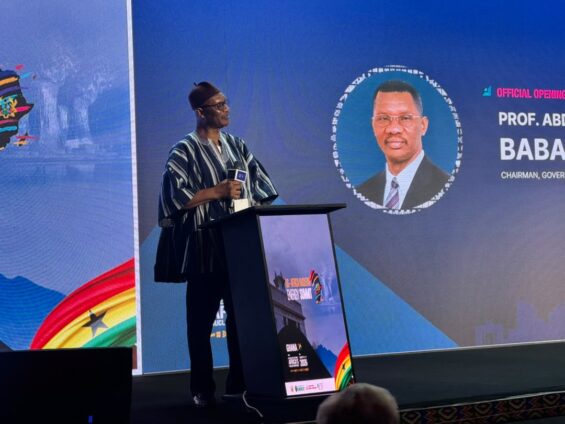
Chairman of the GAEC Governing Board, Prof. Abdulai Baba Salifu, said the shortage of skilled workers represents one of the biggest systemic risks to the continent's emerging nuclear power programmes.
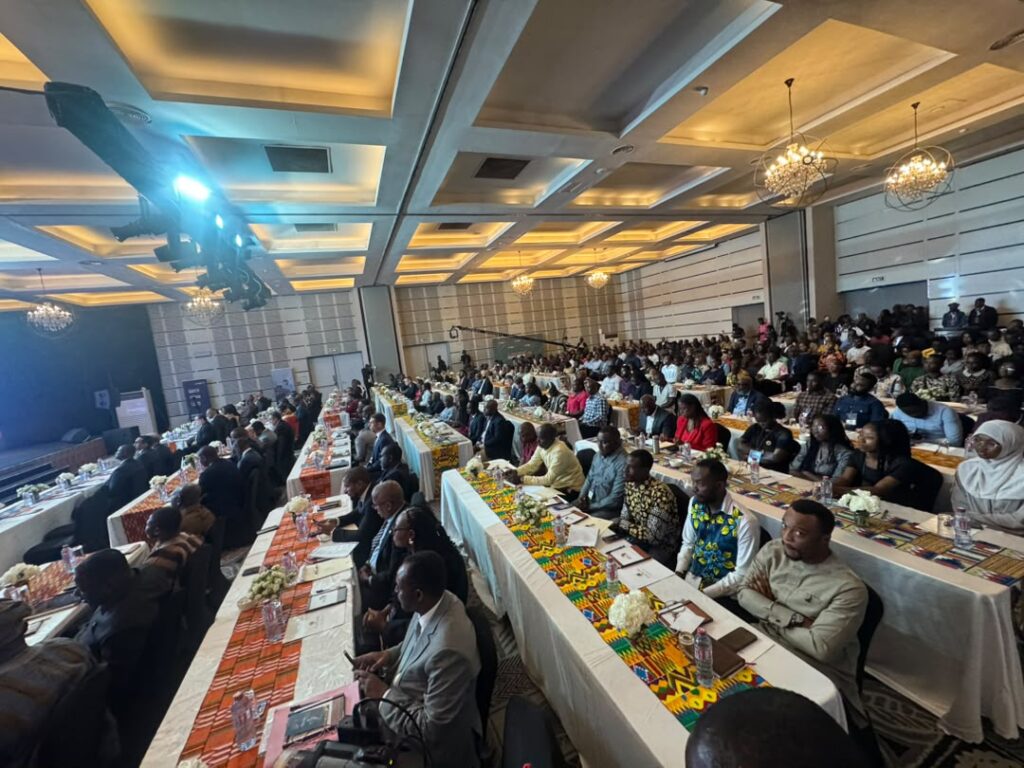
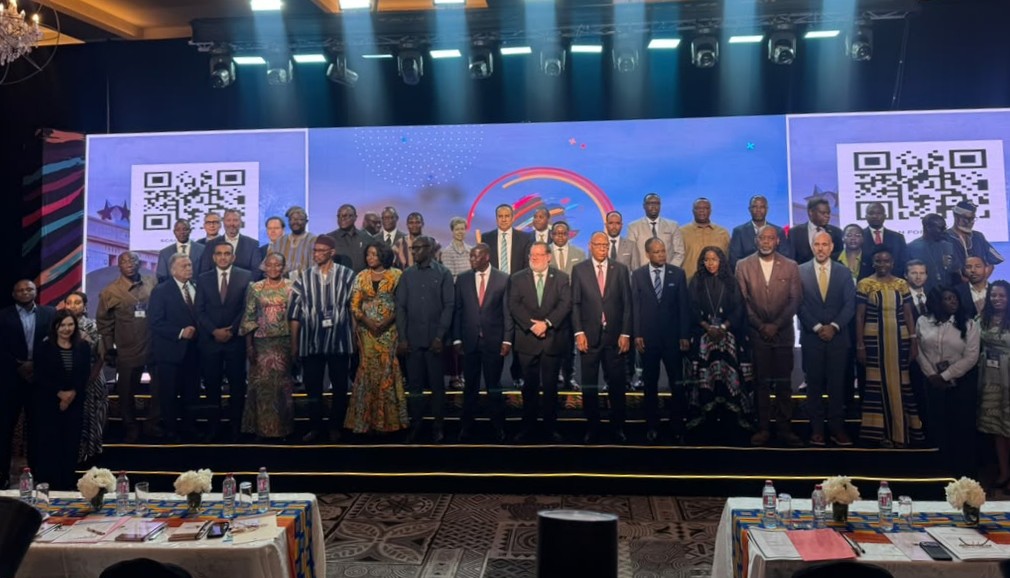
He made the remarks at the US-Africa Nuclear Energy Summit 2026, held in Accra on Wednesday, August 19, under the theme “Building and Sustaining Africa's Nuclear Workforce.”
Prof. Salifu said the availability of technology and financing alone would not guarantee the safe and sustainable operation of nuclear power plants.
“The decisive factor therefore - the element that will determine whether Africa's nuclear ambitions succeed or stall - is the human capital. It is the workforce.”
He said the International Atomic Energy Agency considers human resource development one of 19 essential nuclear infrastructure pillars, making workforce development fundamental to the success of nuclear programmes.
The GAEC chairman cited global workforce challenges that could be replicated in Africa if countries fail to act early.
According to figures presented at the summit, 46% of surveyed nuclear companies globally report difficulties in hiring, resulting in operational bottlenecks and project delays.
He further noted that 25% of the global nuclear workforce is over the age of 55, while shortages in technical and vocational roles are projected to be 35% higher by 2030 than they are today.
Prof. Salifu said Africa's situation is further complicated by the persistent threat of brain drain, as skilled professionals are attracted by higher salaries and greater opportunities abroad.
He therefore called for workforce development to be accompanied by employment opportunities and credible career pathways to retain trained professionals within African economies.
“Our training efforts must, therefore, be accompanied with employment opportunities and credible career pathways if our skilled personnel are to remain engaged domestically.”
Prof. Salifu also called for stronger regional cooperation, arguing that African countries should not attempt to develop every component of nuclear expertise independently.
He proposed an African nuclear workforce ecosystem through which countries could share training infrastructure, research facilities, specialised expertise, simulation and laboratory capabilities, regulatory experience and educational programmes.
“It is my opinion that we must increasingly think in terms of an African nuclear workforce ecosystem - one in which skills, knowledge, experience and expertise can move across borders while remaining rooted in strong national institutions.”
He said Africa's youthful population could provide the human capital needed to build the continent's nuclear industry if the necessary educational and professional opportunities were created.
By 2050, he noted, half of Africa's population is projected to be under 25, describing this demographic trend as an opportunity rather than a challenge.
Latest Stories
-
Author and former politician Jeffrey Archer dies aged 86
28 seconds -
No education reform can succeed without teachers – Education Ministry
5 minutes -
Gauff condemns racist abuse after China Open win
22 minutes -
Medvedev disqualified for hitting spectator with ball
31 minutes -
Oliseh scores twice in late comeback win for France
40 minutes -
Pentagon stops using Anthropic AI tools after blacklisting company, BBC told
49 minutes -
From despair to dance: Family of nurse Salomey Baffoe rejoices after GH¢100k bail granted
1 hour -
Kejetia Phase III pricing talks loom as government moves to restart stalled works
2 hours -
Nchiraa Yam festival: Two killed, 14 injured as police restore calm
2 hours -
I draw inspiration for my songs from Reggae music – Lyrical Joe
2 hours -
AI must not replace human judgment in public spending – BoG Governor
2 hours -
Ghana should withdraw from 2027 AFCON – Kojo Addae Mensah
2 hours -
Team Ghana departs Accra for Angola ahead of Karting Africa Trophy
2 hours -
AIT President Prof Clement Dzidonu urges lifelong learning as AI reshapes work and education
2 hours -
FWSC to meet striking teacher unions on Tuesday
2 hours