

Audio By Carbonatix
Sweeping UN economic and military sanctions have been reimposed on Iran - 10 years after they were lifted in a landmark international deal over its nuclear programme.
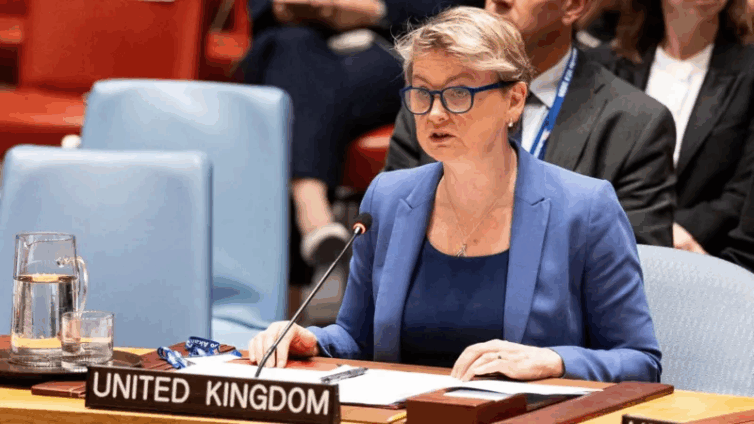
The new measures took effect as the three European partners to the deal - the UK, France and Germany - activated the so-called "snapback" mechanism, accusing Iran of "continued nuclear escalation" and lack of co-operation.
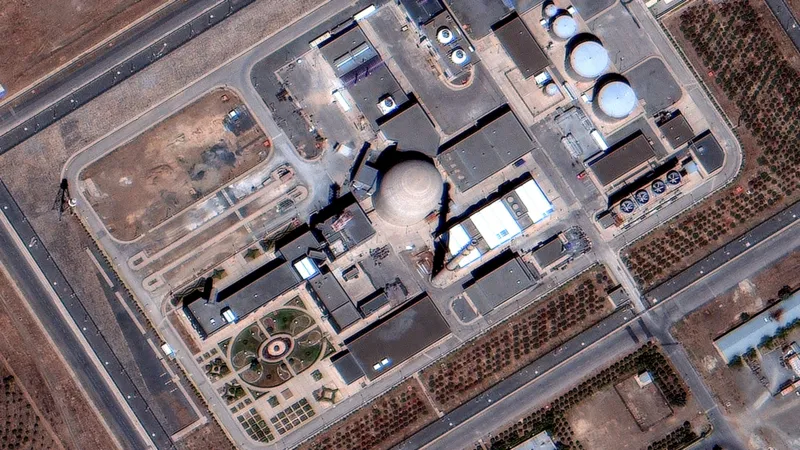
Iran suspended inspections of its nuclear facilities - a legal obligation under the terms of the 2015 deal - after Israel and the US bombed several of its nuclear sites and military bases in June.
Its President Masoud Pezeshkian insisted last week that the country had no intention of developing nuclear weapons.
The reintroduction of sanctions - which Pezeshkian described as "unfair, unjust, and illegal" - is the latest blow to a deal that was heralded as a turning point in Western relations with the long-ostracised Islamist nation when it was first struck.
The Joint Comprehensive Plan of Action (JCPOA) places limits on Iran's nuclear installations, its stockpiles of enriched uranium, and the amount of research and development it can undertake.
It aims to allow Iran to develop its nuclear power infrastructure without straying into making nuclear weaponry.
Iran stepped up its banned nuclear activity after Donald Trump pulled the US out of the agreement during his first term as president in 2016.
He has persistently criticised the deal, negotiated under his predecessor Barack Obama, as flawed, vowing to negotiate better terms.
The US and Israeli bombing of nuclear facilities in June was intended to reverse some of Iran's nuclear progress, as well as punish it for arming regional proxies that have repeatedly attacked Israel.
While Trump said these had caused "monumental damage", others cast doubt on the extent to which they had hindered Iran's nuclear programme.
Iran said the strikes "fundamentally changed the situation" and rendered international support for the nuclear deal "obsolete".
European allies that remain party to the deal still hope negotiations will yield a cooling of tensions.
"We urge Iran to refrain from any escalatory action," they said in a joint statement, adding: "The reimposition of UN sanctions is not the end of diplomacy."
Talks between the three countries and Iran on the sidelines of the UN General Assembly earlier this week failed to produce a deal which would have delayed the sanctions being reimposed.
The foreign ministers of the so-called E3 said they had "no choice" but to trigger the snapback procedure, as Iran had "repeatedly breached" its commitments.
They cited Iran's failure to "take the necessary actions to address our concerns, nor to meet our asks on extension, despite extensive dialogue".
Specifically, they mentioned Tehran's refusal to co-operate with the UN nuclear watchdog, the International Atomic Energy Agency (IAEA).
"Iran has not authorised IAEA inspectors to regain access to Iran's nuclear sites, nor has it produced and transmitted to the IAEA a report accounting for its stockpile of high-enriched uranium," the statement read.
The suspension of IAEA inspections began following the US/Israeli bombings, but the agency confirmed on Friday that they had resumed.
In a statement on Sunday, Iran said it did not recognise the "illegal" and "unjustifiable" sanctions.
Its foreign ministry warned that "any action aimed at undermining the rights and interests of its people will face a firm and appropriate response".
Pezeshkian has softened earlier threats of Iran quitting the Non-Proliferation Treaty altogether - but has warned that a return of sanctions would put negotiations in jeopardy.
He told reporters on Friday that Tehran would need reassurances that its nuclear facilities would not be attacked by Israel in order to normalise its nuclear enrichment programme.
He also rejected a US demand to hand over all of Iran's stockpile of enriched uranium in return for a three-month exemption from sanctions, saying: "Why would we put ourselves in such a trap and have a noose around our neck each month?"
Western powers and the IAEA say they are not convinced by Iran's insistence that its nuclear programme has purely peaceful purposes.
Latest Stories
-
President Mahama ends Resetting Ghana tour of Ahafo Region
5 minutes -
African negotiators seek delivery of climate commitments at COP31
6 minutes -
BoG develops AI rules for financial sector
8 minutes -
‘Big Push’: Government assures contractors of prompt payments
12 minutes -
Court fines miner for breaking into gold buying shop
22 minutes -
Tarkwa court jails labourer for three years over GH¢123,000 theft
1 hour -
GAEC must retain nuclear scientists for Ghana’s nuclear ambitions – Minister
2 hours -
Man reportedly mistaken for game and shot by hunter dead in forest
2 hours -
19-year-old mason jailed 15 years for defiling seven-year-old pupil
2 hours -
Ghana’s banking sector assets rise 20.47% to GH¢500.2bn – BoG Governor
2 hours -
22 injured as Sprinter bus overturns at Sege after tyre burst
2 hours -
UN housing expert urges Ghana to strengthen Rent Control Department amid housing affordability concerns
2 hours -
Delta-BCI partnership reaches 166,000 people with breast cancer education
2 hours -
Power restoration fault suspected in Kumasi Central Market fire
8 hours -
The 7-foot giant of Ngleshie Amanfro: Seven-foot Ghanaian Ephraim Saawa dreams of joining the national basketball team
8 hours