

Audio By Carbonatix
Ghana should focus on rebuilding investor confidence and improving its credit rating before seeking to borrow again on the international capital markets, the International Monetary Fund (IMF) has cautioned.
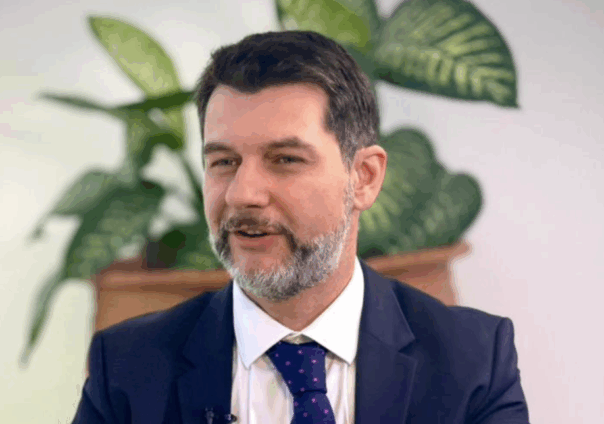
The IMF Resident Representative in Ghana, Dr Adrian Alter, said the country’s immediate priority should be to consolidate the gains from its debt restructuring and strengthen its domestic financing capacity rather than rush back to external commercial borrowing.
Ghana’s debt position has improved significantly under the IMF-supported programme, with the latest Debt Sustainability Analysis moving the country from a high risk of debt distress to moderate risk.
Dr Alter said central government debt had also declined to about 45% of GDP, a level the Fund had initially projected Ghana would only reach by 2034.
He said the progress had created an opportunity for Ghana to gradually regain access to capital markets, but stressed that improved creditworthiness would be critical to keeping borrowing costs manageable.
“I would say Ghana needs first to re-establish itself, and it needs to improve its rating,” Dr Alter said in an interview with Channel One TV on Monday, August 24, 2026.
He noted that the government’s medium-term objective of achieving investment-grade status could significantly reduce the cost of borrowing, both domestically and internationally.
He added that the reopening of Ghana’s domestic bond market in March was an important first step, with government subsequently issuing a seven-year local-currency bond.
Dr Alter also pointed to Ghana’s substantial financing requirements, including debt refinancing and expenditure on development projects, saying these would require a carefully managed debt issuance strategy.
He stressed that reducing interest costs was particularly important because debt servicing currently consumes about one-third of government expenditure.
According to him, lowering borrowing costs would give government greater room to finance salaries, social programmes and capital expenditure.
He said additional development spending could also be supported through stronger domestic revenue mobilisation, while the IMF’s broader objective remained to help Ghana eliminate economic imbalances and restore its ability to finance its needs from sustainable domestic and international sources.
Latest Stories
-
DVLA Deputy CEO adjudged overall best student at Ghana Armed Forces Staff College
45 minutes -
IMF urges tighter controls over GoldBod programme amid concerns over BoG losses
1 hour -
Appointments Committee to vet Zanetor Agyemang-Rawlings today
1 hour -
GMA strengthens competencies of seafarer examiners, instructors
1 hour -
‘Crime is crime’ – Mahama Ayariga cautions MPs against shielding politicians from prosecution
1 hour -
IMF cautions Ghana against early return to international capital markets
1 hour -
GoldBod ‘losses’ have helped stabilise Cedi, contain inflation – Mahama Ayariga
1 hour -
NDC formally notifies Speaker of James Agalga’s appointment as Majority Leader
2 hours -
DGPP’s GH¢21.89bn ‘loss’ is accounting adjustment, not cash expense – Sources
2 hours -
Tuba murder: Court adjourns case to September 28, as police prepare to forward docket to AG
2 hours -
Debt restructuring key to Ghana’s economic recovery – IMF
2 hours -
Let’s wait and see – Agalga refuses to take sides on extortion allegation as OSP probe begins
2 hours -
FDA intensifies drive to ensure iodised salt reaches consumers
2 hours -
HTU partners Praise Export to boost student training, employability
2 hours -
Samuel Abu Jinapor proposes independent body to fight galamsey
2 hours