

Audio By Carbonatix
I am in Polokwane, Limpopo Province, South Africa, attending the 8th edition of the Africa Tourism Leadership Forum, which has brought together tourism and hospitality stakeholders from across Africa to discuss how to grow travel, investment and tourism on the continent.
There is music, dance and colour everywhere, just like two years ago when I attended the same event in Gaborone, Botswana. But what caught my attention is something else.
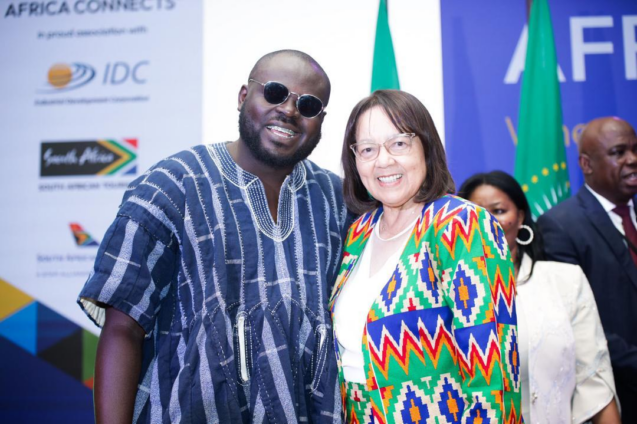
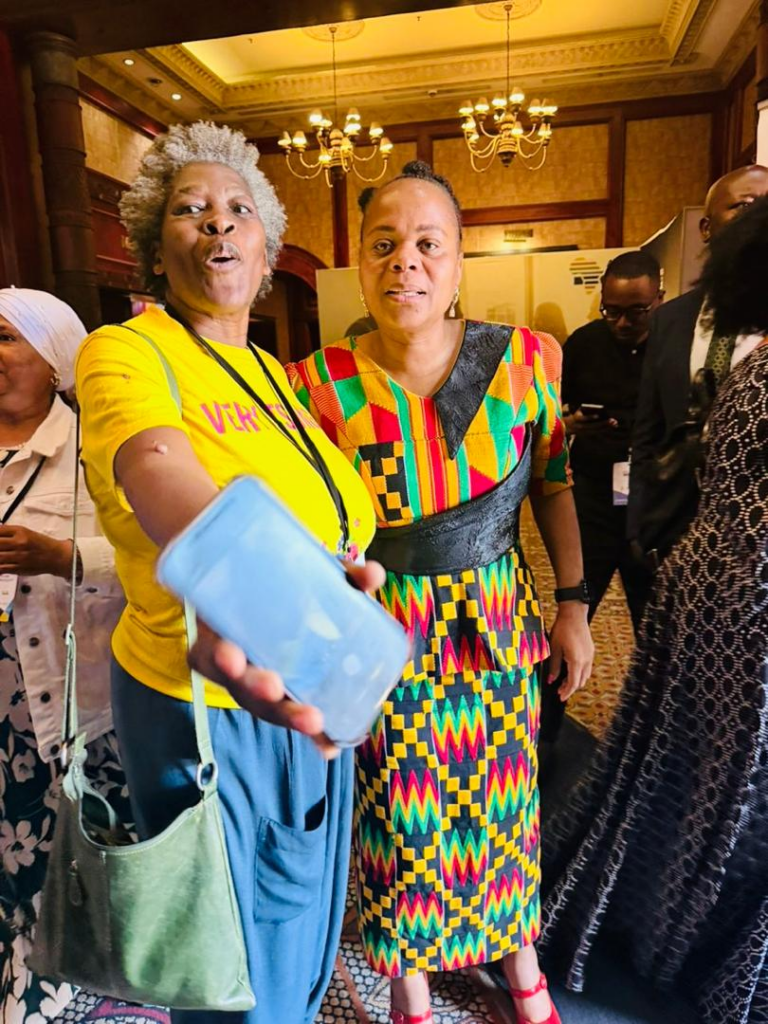
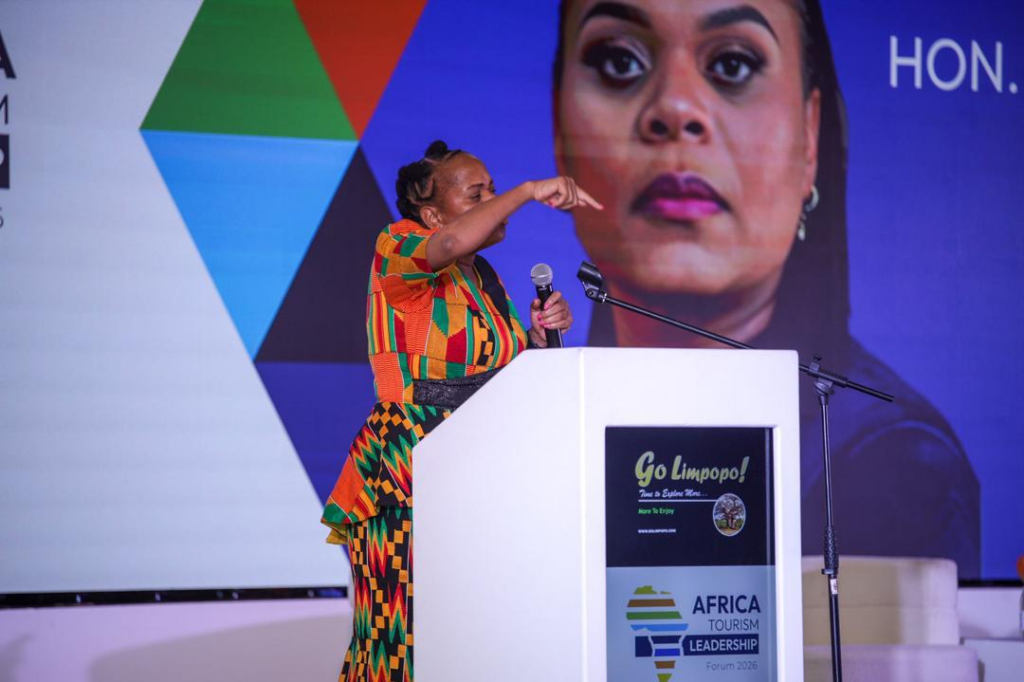
South Africa’s Tourism Minister, Patricia de Lille, and the Premier of Limpopo Province, Dr Phophi Ramathuba, who ranks as a Regional Minister in Ghana, walk past, both dressed in Ghanaian Kente. For a Ghanaian journalist here in Polokwane, the sight is difficult to miss.
And perhaps more so because of what has been happening between Ghana and South Africa in recent times, particularly over migration and anti-immigrant protests.
Just days ago, the Ghanaian government declined a proposed GH¢20 million support package from MTN Ghana for Ghanaians affected by xenophobic attacks in South Africa. MTN Ghana is a subsidiary of South Africa’s MTN Group, making the development another point of interest in the already sensitive Ghana-South Africa relationship.
So, why the Kente?
When I later spoke to South Africa’s Tourism Minister, Patricia de Lille, she explained that she had bought the fabric during her last visit to Ghana at the beginning of the year.
And during her speech at the forum, she explained further why she and the Premier had chosen to wear Ghanaian outfits. She said the gesture reflected her Pan-Africanist convictions and Ghana’s historic role in Africa’s liberation.
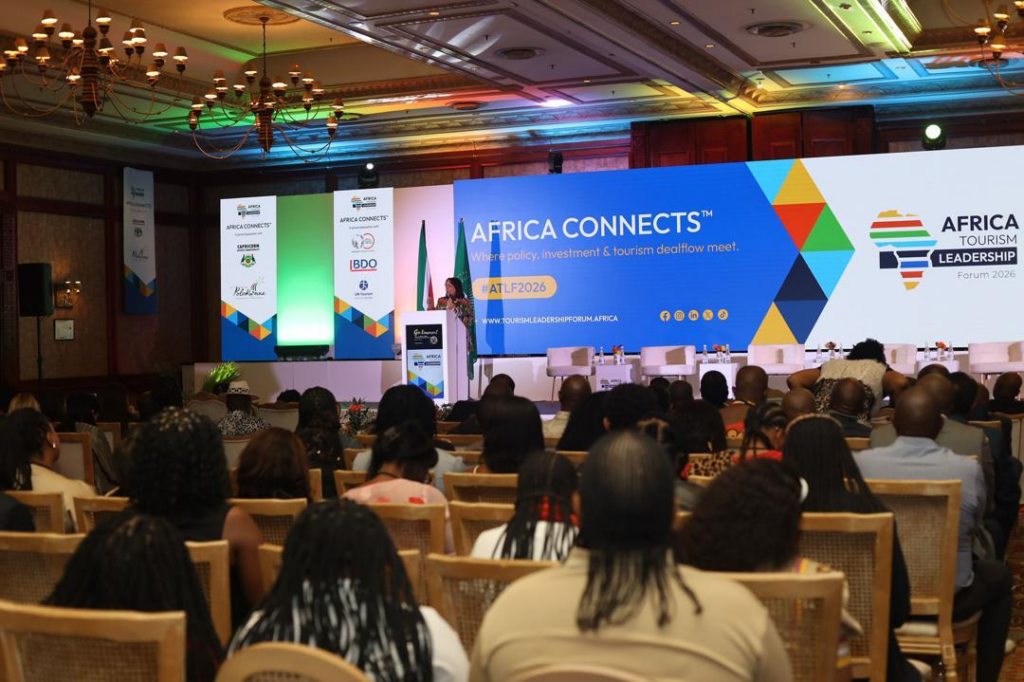
She said, “I’m a Pan-Africanist. And Premier, what we are celebrating today, with both of us wearing our Ghanaian outfits, is because Ghana was the first country on the continent to get out of the shackles of colonialism and gain its freedom. So I love Ghana. I love the continent. I’m a Pan-Africanist.”
De Lille said Africa cannot build an integrated tourism economy if Africans cannot easily and seamlessly reach one another, calling for governments, airlines, airports and the private sector to work together to open viable routes, increase frequencies, reduce fares and make inter-African travel more affordable
“Because Africa must visit Africa. Africa must invest in Africa. And Africa must explore Africa,” she said.
The issue of migration was also part of her message. South Africa has faced growing public condemantion over irregular migration, due to the treatment of African migrants, which has become a sensitive issue.
De Lille said South Africa has a responsibility to manage its borders and enforce its immigration laws, but insisted this should not be seen as South Africa turning its back on the continent.
“Managing irregular migration must never be confused with closing South Africa off from Africa,” she said.
She argued that South Africa needs both secure borders and an open tourism economy, allowing lawful travel, trade and economic activity to continue.
For Kwakye Donkor, Chief Executive Officer of Africa Tourism Partners, the Africa Tourism Leadership Forum is an example of what tourism can do for African destinations.
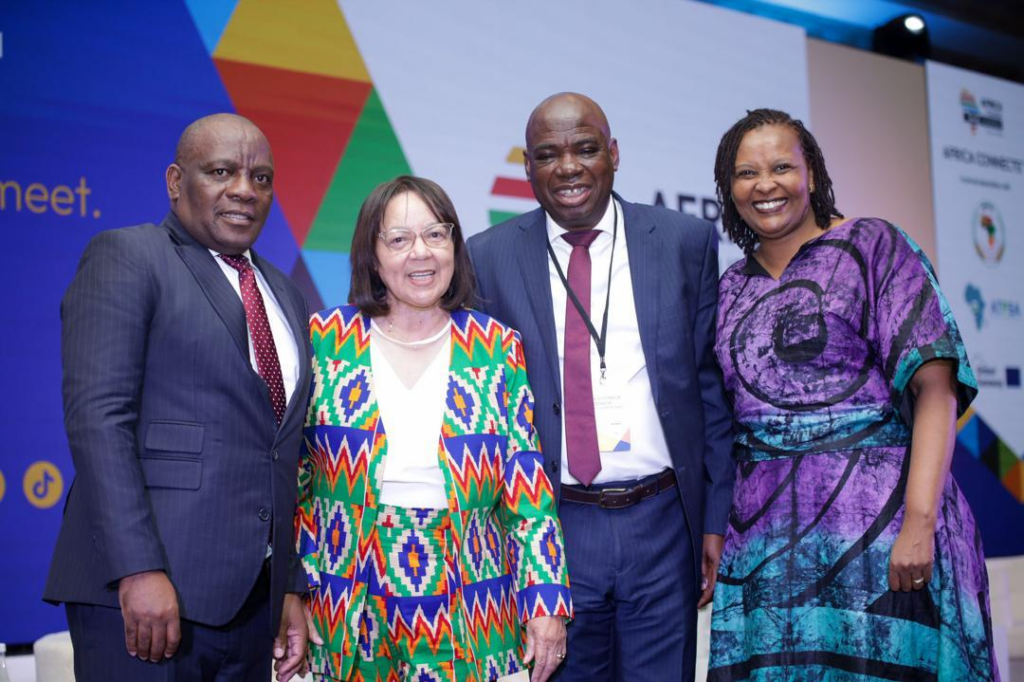
He says hosting the event in Limpopo has given the province exposure to people who previously knew very little about it.
According to him, delegates from about 32 countries and people from over 60 individual countries are currently at the event, while thousands more have been exposed to Limpopo and Polokwane through the marketing and publicity around the forum.
He said the benefit is not simply about the number of people attending. It is also about putting Limpopo on the map.
“So the benefit of such events is not just about numbers; it’s about priceless brand equity, priceless visibility,” he said.
He believes Limpopo Tourism Authority could not have achieved the same level of exposure by travelling to all those countries individually to promote the province.
And so, while the Kente may have been the first thing that caught my attention here in Polokwane, the message behind it is much bigger.
At a time when migration is creating difficult conversations between African countries, the tourism industry is making a different argument: that Africa needs to find ways to connect its people, markets and destinations. And here in Limpopo, Ghana has found itself at the centre of that conversation, quite literally in Kente.
Latest Stories
-
I cannot be intimidated, I’ll bring new administration to NPP women’s wing – Hawa Koomson
2 minutes -
Hawa Koomson pledges to reconcile aggrieved NPP members if elected Women’s Organiser
2 minutes -
Beyond megawatts: Africa’s energy transition will succeed or fail on its people
12 minutes -
GJA calls for swift investigation into alleged assault of Adom Brands journalist in Nkwanta South
14 minutes -
NACOC partners CSIR to advance research and development of 0.3% THC cannabis
20 minutes -
Somoco Ghana launches “Safe Journey” 2026 road safety campaign with NRSA
33 minutes -
PPL Net Ghana unveils new board, vows to build ‘genuinely Ghana-flavoured’ AT Ghana
46 minutes -
Canoe races, drumming and pageantry mark Oguaa Fetu Afahye Regatta
50 minutes -
An open letter to the Chief Justice of Ghana
53 minutes -
NEIP CEO Eric Adjei calls for increased investment in agriculture to attract Ghanaian youth
54 minutes -
NSMQ 2026: PRESEC-Legon storm final, set sights on historic 9th trophy after eliminating St John’s, Tamale SHS
60 minutes -
NEIP CEO Eric Adjei donates 1,500 bags of fertiliser to Jaman North farmers
1 hour -
Hamza Ayembilla declares bid for NDC Deputy Youth Organiser in Ashanti
1 hour -
Billionaire Leon Black sues US congressional panel over Epstein subpoena
1 hour -
Parliament probes child rights challenges in Abuakwa South
1 hour