

Audio By Carbonatix
Ghana has made a strong pitch to Australian investors for its fast-growing critical minerals sector, positioning itself as a stable, reform-driven hub for the global energy transition at the 2026 Africa Down Under (ADU) Summit in Perth.
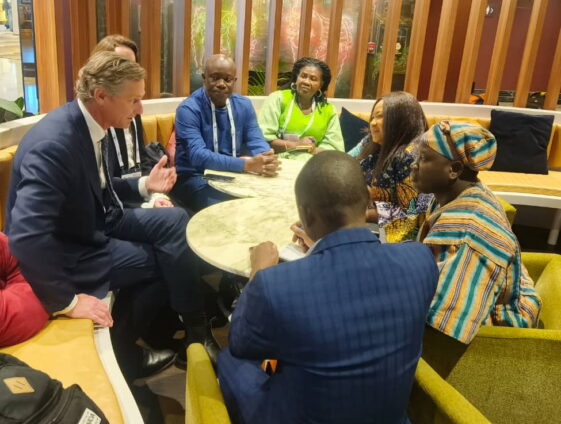
Led by Ghana’s High Commissioner to Australia, Ms. Doris Brese and the Deputy Chief Executive of the Minerals Commission, Maxwell Yao Akpene Klu, the Deputy Chief Executive Officer in charge of Small Scale & Industrial Minerals, the Ghanaians touted the potential of the country’s mineral industries.
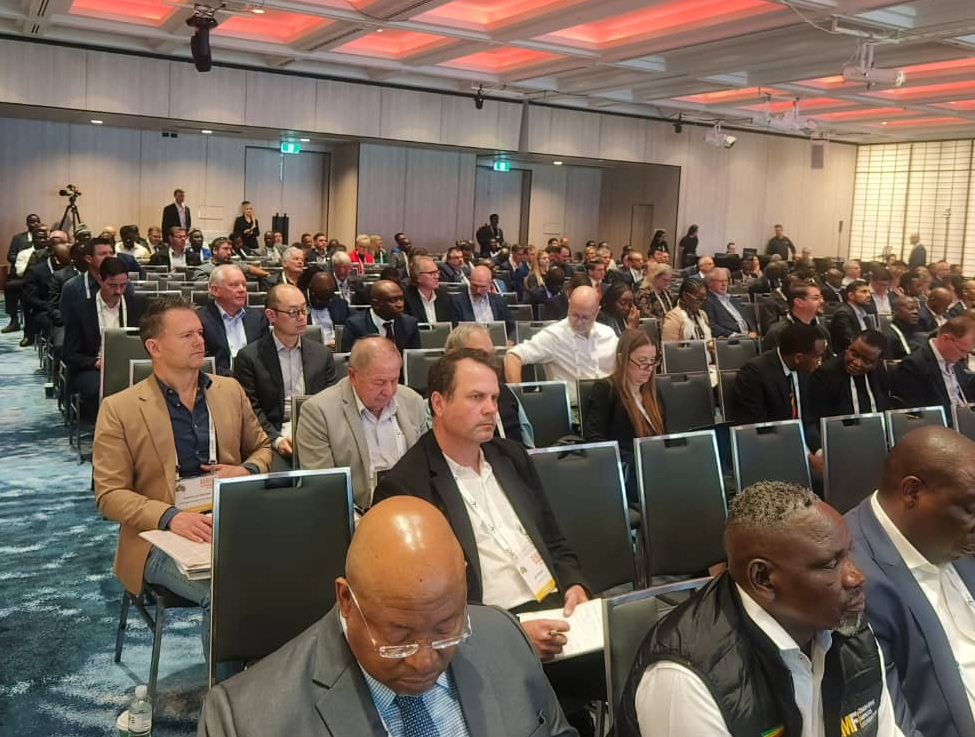
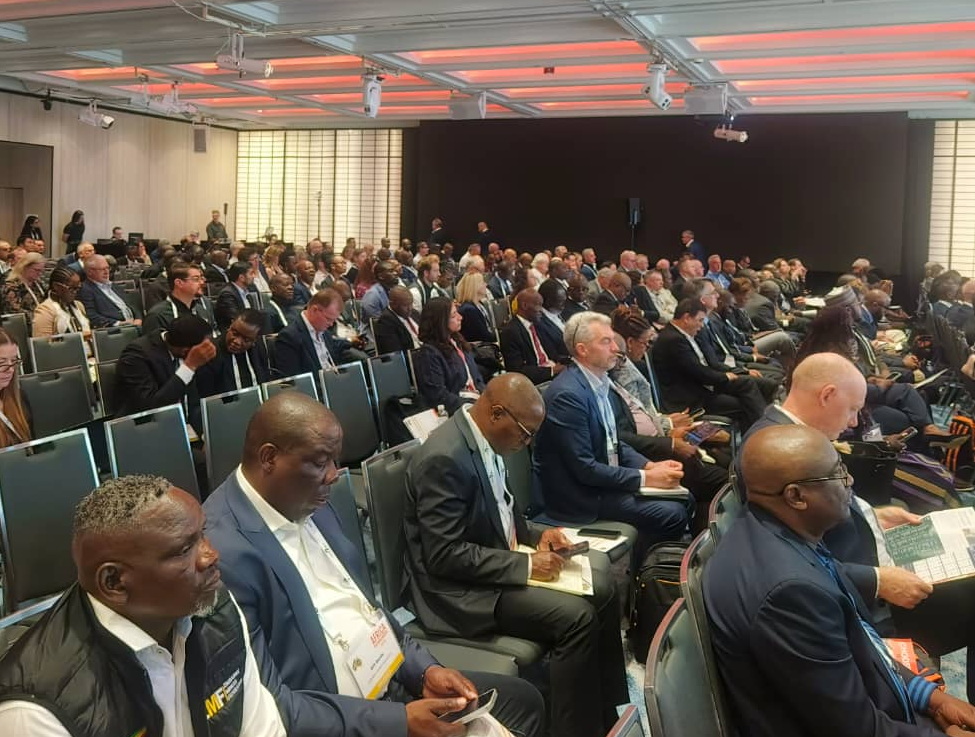
Addressing mining executives, financiers and policymakers at the business meeting in Perth, Western Australia, which is the continent’s largest African-focused mining event held outside Africa, the deputy chief executive said Ghana is moving beyond its traditional gold dominance to become a strategic partner for battery minerals and green technologies.
“Our country is not just about extracting resources, we are committed to a paradigm shift in mining, one that moves beyond the dig-and-ship model to a value-added approach for the creation of jobs and wealth locally,” he said.
While reaffirming the country’s status as a leading gold producer and a destination that has become attractive to mining investment over the past years, Mr. Klu outlined vast opportunities in lithium, bauxite, iron ore and base metals among other industrial materials.
He also harped on the prospective benefits of iron ore production, contingent upon effective management of the resources for environmental sustainability, and support government efforts to protect investor interests while simultaneously promoting local content.
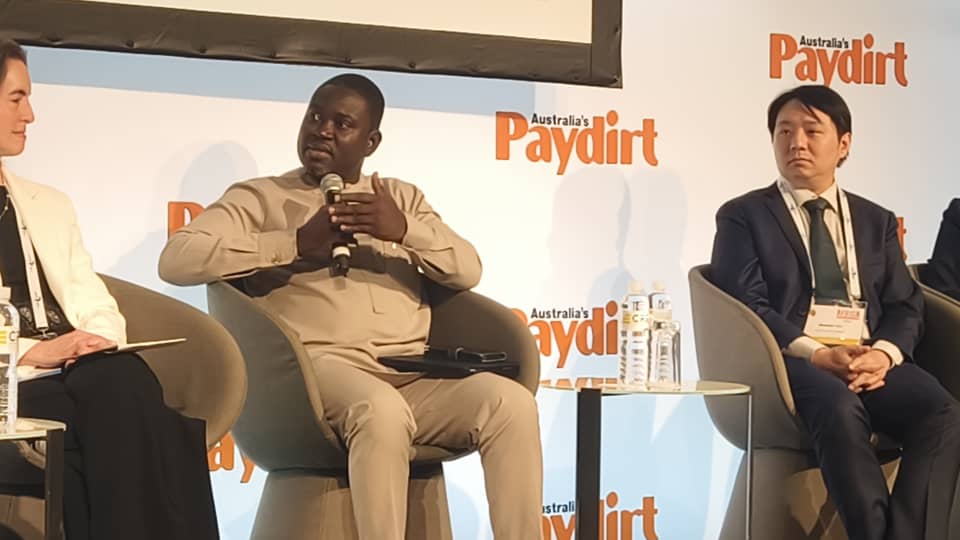
The importance of value addition, he said, cannot be overruled, saying “value addition transforms raw goods into higher-value products to boost income margins, reduce waste, and create jobs” and “again let me say the era of dig-and-ship materials at its raw state are over, hence the need to deliver value-added minerals, while working towards industrialisation.”
He said the transformation of Ghana's economy through gold production and focus on value addition over the past 18 months remained one critical step and testament of the reset agenda of the government.
On bauxite and iron ore, he said the country holds more than a billion tonnes of iron ore resources and is seeking private partners through the Ghana Integrated Iron and Steel Development Corporation (GIISDEC).
The Ghana integrated iron and steel drive, he said, was to build integrated industries from mining to refining and smelting, as he confirmed promising geological prospects of pure minerals for manufacturing and industrialisation.
The deputy CEO noted that exploration remains vibrant with hundreds of active projects targeting gold, lithium, and iron ore, among many others.
Mr. Klu also assured investors that the country’s legal stability anchored in the 1992 Constitution and the Minerals and Mining Act 703 of 2006, which is also under amendment for a progressive mining environment, as well as the recent incentives including some waivers for mineral exploration, was to create the needed environment for growth.
“The investor community is investing in Ghana with confidence and knowing that their investments are protected by a stable political environment and a government that upholds the principles of good governance, including the rule of law and the sanctity of contracts,” he said.
In her address, the high commissioner to Australia highlighted the foundational developments established during the past 18 months of President John Mahama's administration.
She pointed to the prudent and transparent management of the country’s economy and under the rule of law, saying they are part of the reasons for the country’s emergence as the continent’s premier destination for investment.
The delegation from Ghana also attended the graduation of two out of 25 students under the Minerals Commission sponsorship programme at Curtin University in Perth, with eight others scheduled to graduate in February next year.
The Minerals Commission sponsorship programme targets needed human resource development in the minerals sector.
Latest Stories
-
Pay me by Sept. 11 or face the court – Kow Essuman demands salary, benefits from Finance Minister
4 minutes -
Bawumia’s destiny lies in the hands of God; not you – Muslim Forum for Peace and Unity replies Rev. Owusu Bempah
6 minutes -
NPP NEC meets today to discuss and approve party’s position paper on Constitution Review proposals
12 minutes -
Today’s frontpages: Thursday, September 10, 2026
20 minutes -
Ghana Garden and Flower Show returns on Sept 11 with focus on green jobs, business and wellbeing
21 minutes -
Titus-Glover camp says Mustapha Salam wasn’t pressured to withdraw from National Organiser race
22 minutes -
Ghana’s acclaimed Christian – Muslim unity bigger than Owusu Bempah’s hatred and bigotry – Muslim Forum for Peace and Unity
25 minutes -
Karpowership lights up young minds on International Literacy Day
34 minutes -
Banking sector NPLs fall to GH¢19.9bn as asset quality improves
38 minutes -
Republic Bank Ghana, UPSA sign strategic MoU to advance professional development and industry-academia collaboration
42 minutes -
MTN 30th Anniversary CEO Invitational Golf Tournament set to tee off at Achimota
46 minutes -
Ghana woos Australian investors into critical minerals
59 minutes -
Akufo-Addo’s former legal counsel Kow Essuman, writes to Finance Minister to demand his ex-gratia payment
1 hour -
NSMQ Final: St Augustine’s get GH¢110,000 motivational package from old boys
1 hour -
AFCON 2027: Ghana has no business doing football if we can’t beat Somalia and The Gambia to qualify – George Afriyie
2 hours