

Audio By Carbonatix
In 2025, the World Food Programme (WFP), with funding support from the Government of the Republic of Korea, provided emergency relief assistance to more than 3,800 households (impacting more than 19,000 people) across 5 regions of northern Ghana. The intervention served as a critical lifeline for families facing severe food insecurity caused by 2024's prolonged dry spells and poor harvests.
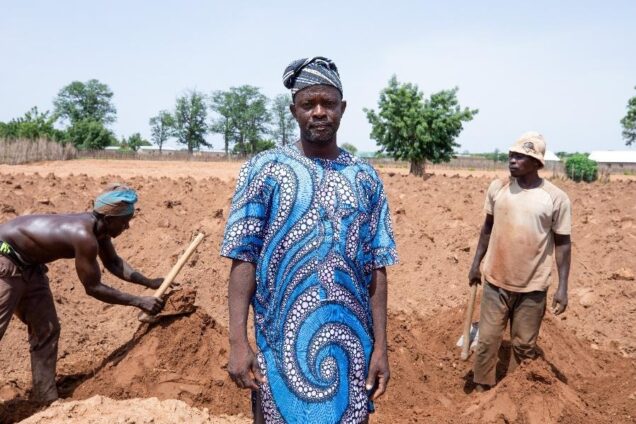
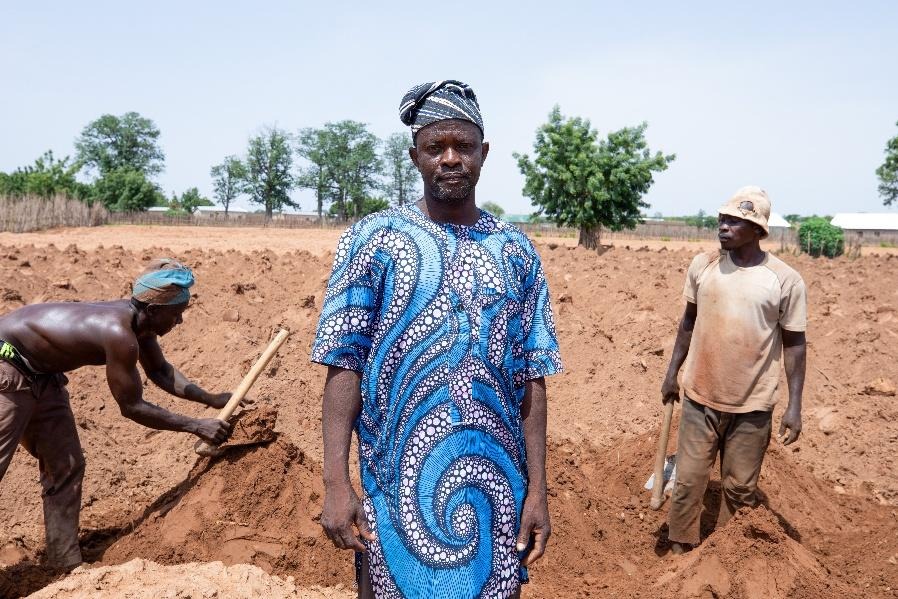
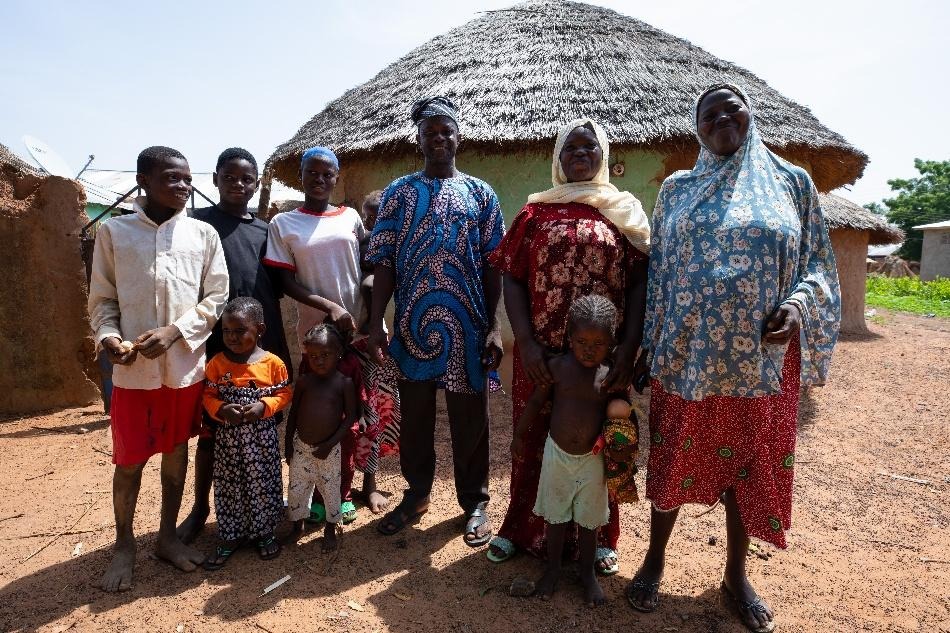
Among the beneficiaries was Alhassan, a smallholder farmer from Kumbungu District and the head of a family of fourteen. Like many farming households in northern Ghana, Alhassan relied heavily on rainfall for his livelihood. But when the rains failed and dry conditions persisted, he lost his entire farming investment, leaving his family struggling to meet even their daily food needs.
“Hunger became a serious challenge in our home, especially for the children,” he recalled.
Through WFP’s cash-based emergency response programme, Alhassan’s household received GHS 1,161 monthly from May to October 2025 to support their food and nutrition needs. For his family, the assistance came at a crucial moment.
The cash support enabled the household to purchase food and maintain basic nutrition during the difficult period. But beyond meeting immediate needs, Alhassan was determined to use part of the assistance to rebuild his family’s future.
Using some of the cash transfers, he cultivated two acres each of maize, soyabean, and yam. Although the soyabean and yam harvests were poor due to unfavorable weather conditions, the maize performed better and provided much-needed food for the household.
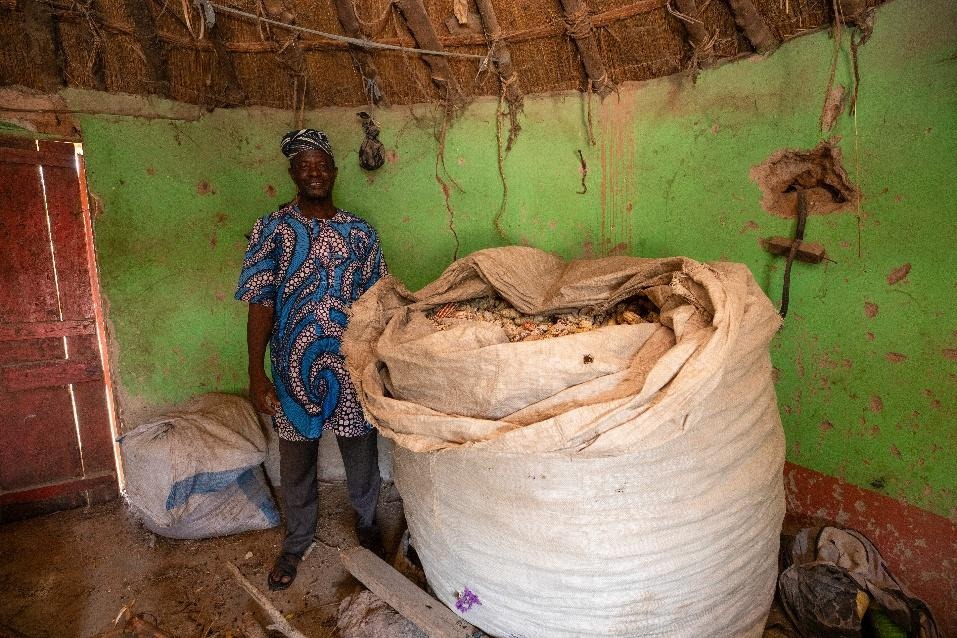
“When I received the money last year, I used it to cultivate maize, soyabean, and yam,” Alhassan explained. “The yam and soyabean did not do well, but for the maize, I harvested two huge sacks. That is what we use for food now. This year, food has not been a problem. We use it to prepare porridge for the children before school, and we also prepare meals from it in the afternoon and evening.”
The support not only helped the family survive the immediate crisis but also gave Alhassan an opportunity to think beyond recovery.
Recognizing the increasing uncertainty of rainfall patterns in northern Ghana, he decided to diversify his livelihood instead of relying solely on crop farming. With part of the cash assistance, Alhassan started a guinea fowl rearing business — a modest investment that soon became a reliable source of income for his family.
“I bought guinea fowl eggs and used a hen to hatch them,” he said. “I raised them until they matured. At one point, I had about 70 guinea fowls, which I later sold.”
The venture quickly proved profitable. Income from the guinea fowl business now helps the family buy food while waiting for the next farming season, reducing their dependence on unpredictable rainfall and seasonal harvests.
“At the moment, the money from the guinea fowls is what we use for food in addition to the maize harvest,” Alhassan shared. “Gradually, the birds are increasing, and I can see it is a profitable business. When I sold them, I made more than GHS 4,000.”
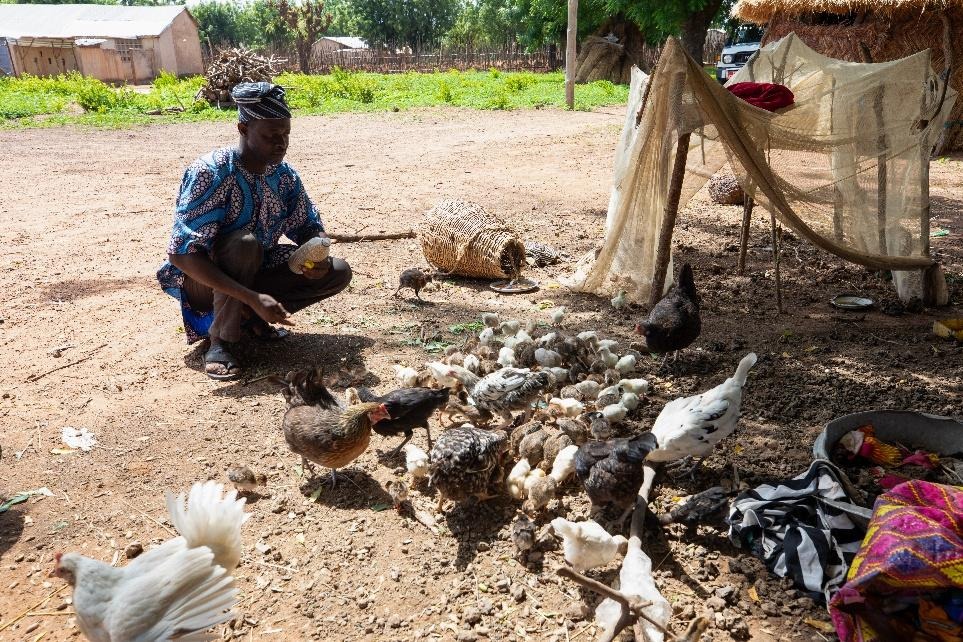
The income from the guinea fowl business enabled Alhassan to support his 18-year-old daughter’s education after she gained admission to university.
“When my daughter gained admission to the university, I used about GHS 2,500 from the guinea fowl business to pay her school fees,” he said proudly. “She has completed her first year and is going into her second year. I will be able to continue paying her fees from the savings I have made.”
With the rains beginning again this year, Alhassan has also been able to hire laborers to cultivate his two-acre yam farm — another sign of the gradual recovery and stability his family is experiencing.
Today, what started as emergency assistance has evolved into a pathway toward resilience and self-reliance for Alhassan and his family. His story demonstrates how timely humanitarian support can do more than address immediate food needs — it can empower vulnerable households to rebuild livelihoods, invest in their future, and better withstand future climate shocks.
Latest Stories
-
KNUST, EPA test national air quality data hub ahead of Ghana rollout
4 minutes -
Anidaso Mutual Fund net assets rise 47.7% to GH¢6.31m in 2025
14 minutes -
WFP-Korea programme strengthens local economy and builds resilience in Northern Ghana
19 minutes -
GIIF’s Accra-Kumasi Expressway Ltd. SPV Initiative: A bold blueprint for financing Ghana’s infrastructure development
27 minutes -
From surviving dry spells to building resilience: Alhassan’s Story
28 minutes -
GRA targets over double revenue by 2028
39 minutes -
Black Maidens bring the jama, then bring the goals in WAFU B opener [VIDEO]
43 minutes -
GNPC Explorco showcases Voltaian Basin exploration potential at AOW:Energy 2026
48 minutes -
Black Maidens cruise past Burkina Faso in WAFU B opener
49 minutes -
Dafeamekpor calls for forensic audit after alleged GH¢600m COVID-19 fumigation gap
54 minutes -
Minority demands itemised accounts for GHS50m South Africa evacuation, pulls out of closed-door meeting
59 minutes -
Black Princesses arrive in Ghana after participating in FIFA U20 Women’s World Cup in Poland [PHOTOS]
1 hour -
Effiduase Asokore MP sues Rev. Owusu Bempah for GH¢10m over alleged defamatory comments
1 hour -
Chris Wilder backs Jordan Ayew to be a success at Sheffield United
1 hour -
Forestry Commission arrests 12 illegal miners, impounds three excavators in South Formangso Forest Reserve
1 hour