

Audio By Carbonatix
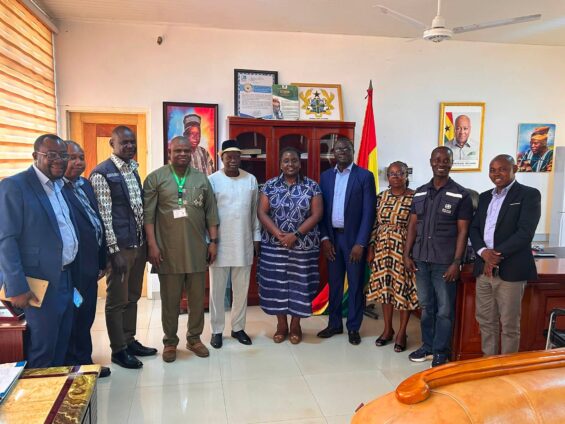
The World Health Organisation (WHO) has pledged to strengthen its support for healthcare delivery in the Upper East Region, with a focus on vulnerable populations and the health challenges associated with the region’s borders with Burkina Faso and Togo.
The WHO Representative to Ghana, Dr Fiona Braka, gave the assurance during a courtesy call on the Upper East Regional Minister, Akamugri Donatus Atanga, as part of a familiarisation visit to the region.
She said the visit was intended to provide the organisation with a better understanding of the region’s healthcare system, priorities and challenges to help guide its support.
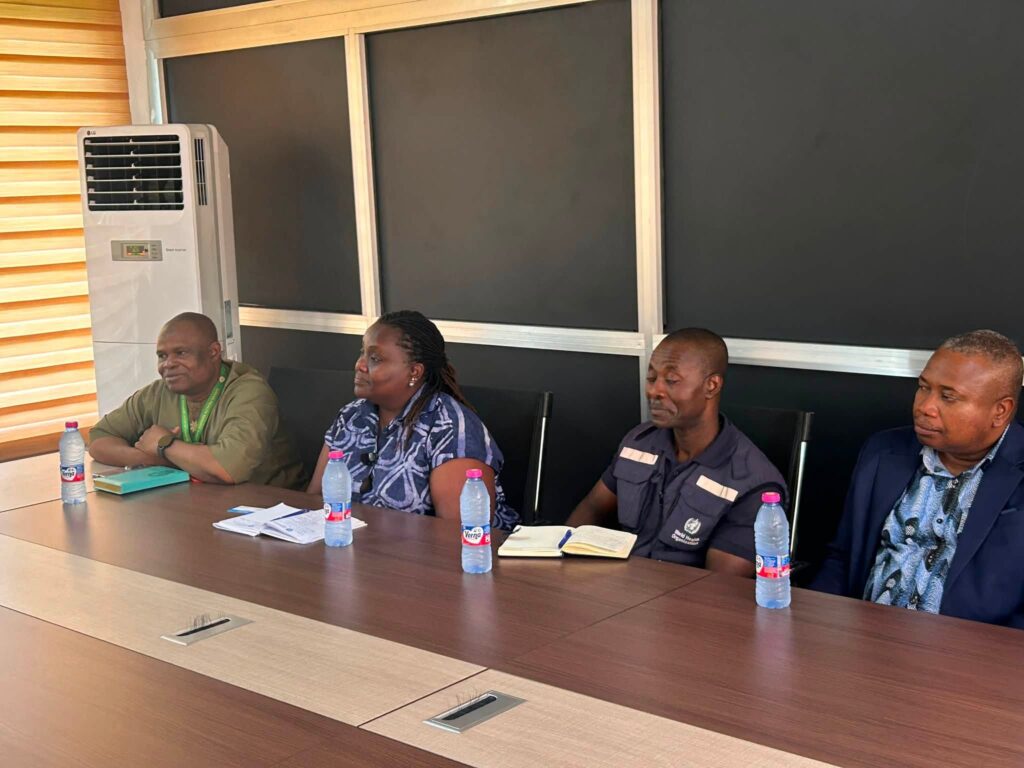
Dr Braka noted that the region’s location along international borders presented specific challenges, particularly in disease surveillance, cross-border health collaboration and access to healthcare.
She said WHO remained committed to supporting Ghana’s health priorities, including the Free Primary Health Care initiative, universal health coverage and efforts to reduce financial barriers to healthcare.
“Our role as World Health Organisation is to support the member states in implementing their national priorities,” she said.
She added that the organisation paid particular attention to vulnerable groups, including women and children, as well as people who faced difficulties accessing healthcare services.
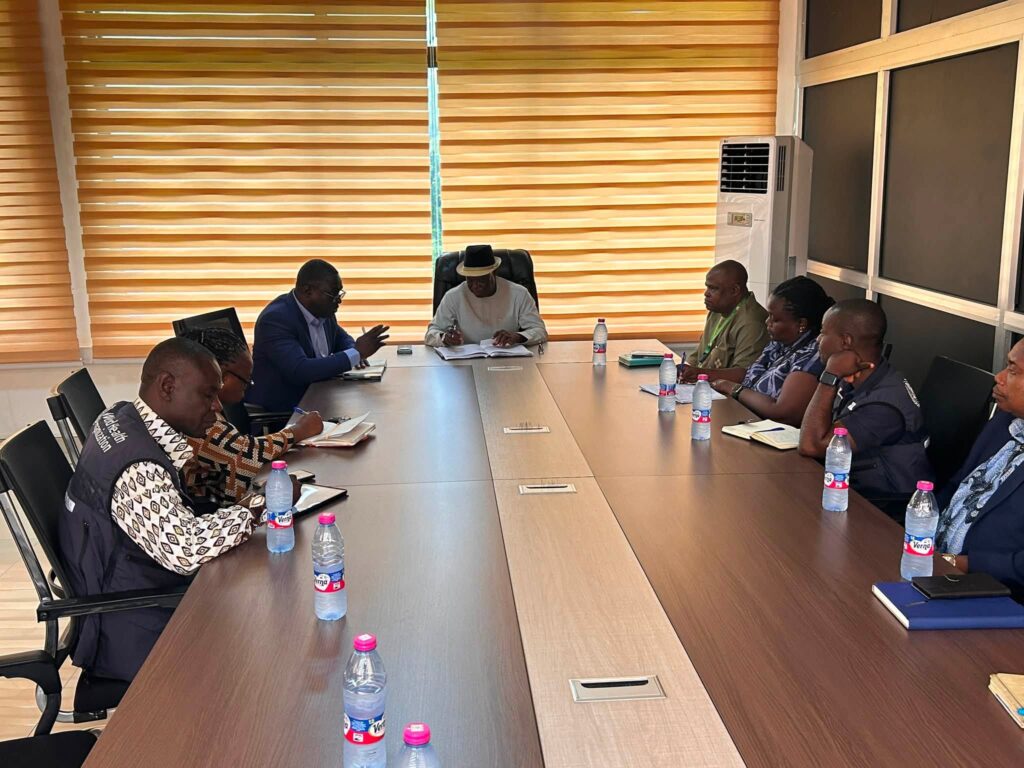
Dr Braka also called on the Regional Coordinating Council and other local authorities to support efforts to improve healthcare delivery through advocacy, investment in human resources and infrastructure, and community mobilisation.
The Upper East Regional Minister, Akamugri Donatus Atanga, welcomed the WHO delegation and called for special consideration for the region in the organisation’s healthcare interventions, citing its vulnerability and border location.
He said limited employment opportunities had contributed to the vulnerability of residents, while the region’s proximity to Burkina Faso and Togo placed additional demands on its health facilities.
According to him, people entering the region from neighbouring countries, including those fleeing difficult circumstances, also depended on local health services, further increasing the pressure on available resources.
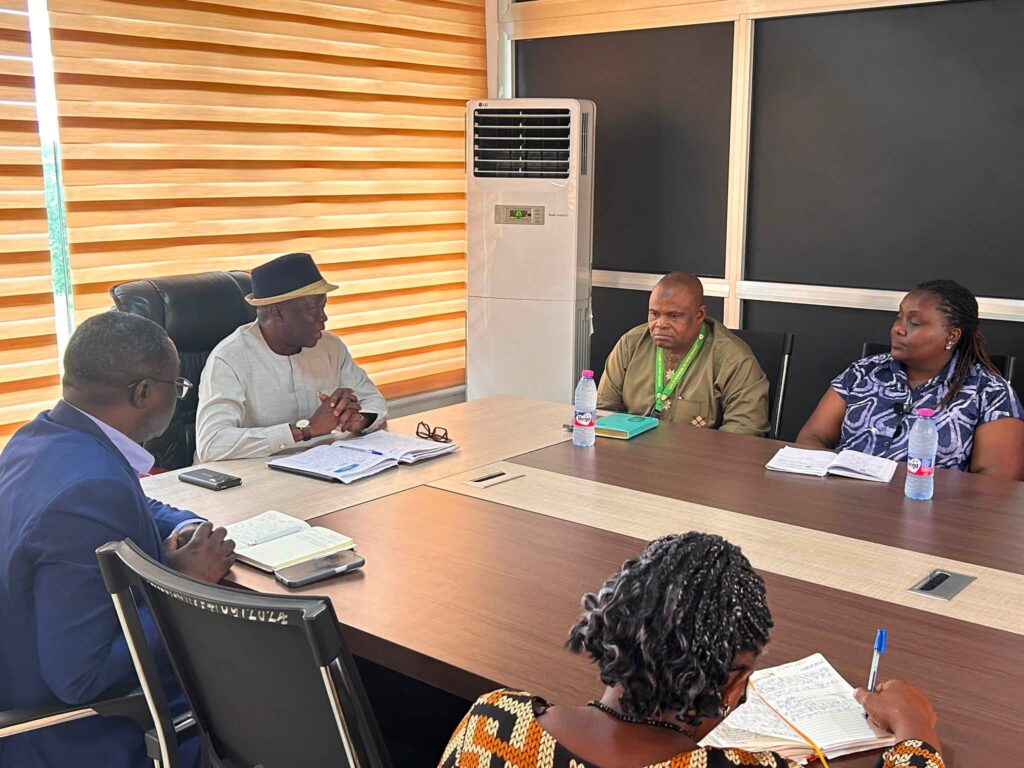
Mr Atanga urged WHO to take these realities into account when planning and implementing interventions in the region.
He also highlighted shortages of health personnel and called for more tertiary institutions to be established in the region to support the training and retention of healthcare professionals.
He said improving access to training opportunities and strengthening the availability of health workers would help address some of the challenges facing healthcare delivery.
The Regional Minister assured the delegation that the Regional Coordinating Council would continue to collaborate with health authorities and development partners to improve healthcare services and ensure that vulnerable populations could access essential care.
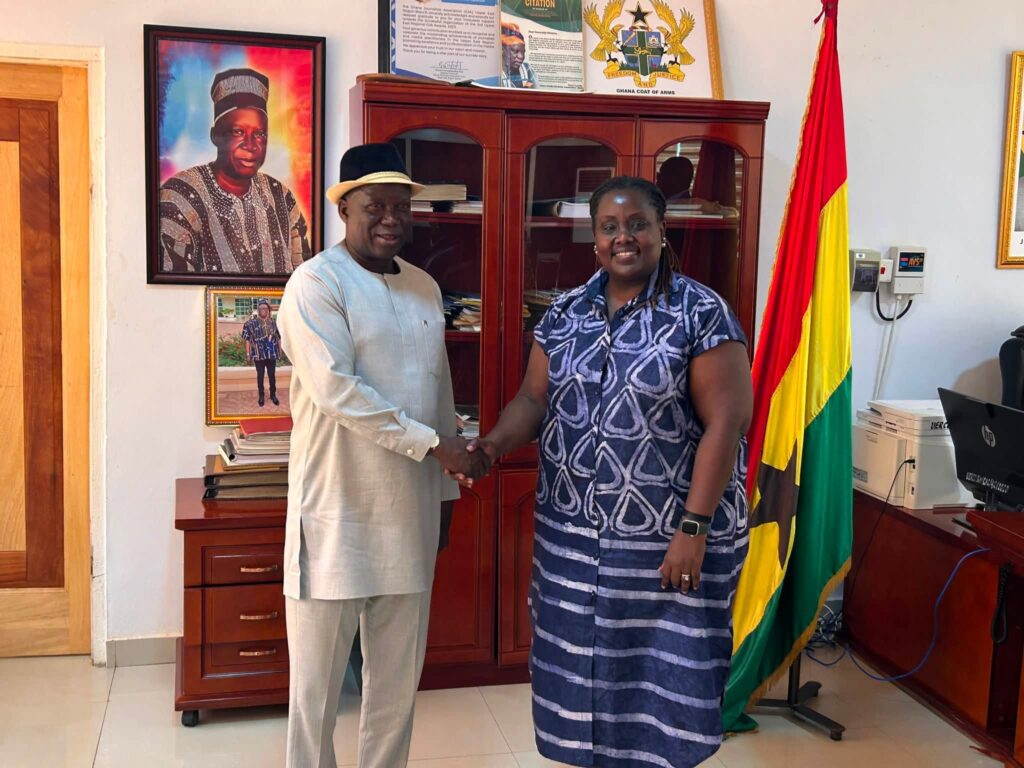
The visit formed part of efforts to strengthen engagement between WHO and regional authorities in addressing healthcare needs and supporting national health priorities.
Members of the delegation included the Upper East Regional Director of Health Services, Dr Braimah Baba Abubakari; Deputy Director in charge of Clinical Care, Dr Samuel Aborah; Deputy Director of Public Health, Dr Zakariah Adams; and Deputy Director of Finance, Mr Yakubu Issahaku.
Latest Stories
-
NPP NEC election: John Boadu, JFK, Titus-Glover and Hawa Koomson in strong lead, according to latest national outlook survey
13 seconds -
TRAFFITECH-GH full implementation rescheduled to November 1
2 minutes -
‘Insults must not replace arguments’ – Bagbin cautions political actors against language that could undermine democracy
5 minutes -
Minority demands full data on Ghana narcotics seizures, arrests and prosecutions since 202
8 minutes -
Man City found guilty of all charges of financial rule breaches, Premier League confirms
26 minutes -
Jeffrey Nortey wins Screen Icon of the Year again at Ghana Entertainment Awards USA
29 minutes -
Man Utd do not deserve Man City titles – Rooney
29 minutes -
Birifoh outdoors new chief: Naa Victor Gandaa V outlines vision for security, education and tourism
30 minutes -
DreamOval Foundation appoints five-member board to drive digital education and youth empowerment
44 minutes -
Accounting for public funds is not enough to prove performance – Ghana Audit Service
45 minutes -
GACC trains journalists on Auditor-General’s NPA Performance Audit Report
45 minutes -
Freedom of expression doesn’t require degradation of public discourse – Bagbin
48 minutes -
NADMO begins relief distribution to over 4,000 households affected by Hohoe floods
1 hour -
Road Minister tasks Arab Contractors to expedite Kumasi Outer Ring Road
1 hour -
Media must strengthen fact-checking to fight information disorder – President’s Legal Advisor
1 hour