

Audio By Carbonatix
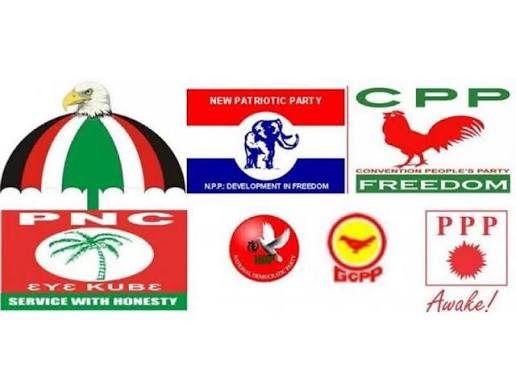
The Global Organised Crime Index has highlighted allegations that individuals involved in Ghana’s drug trade have financed political parties, while money linked to the illicit market has helped fund the country’s housing boom.
The report places these allegations within broader concerns about links between organised crime, political influence and legitimate business activities.
“There are allegations that politicians have amassed wealth through links to illicit economies, particularly drugs and the gold sector, and that political parties have benefited from financing from those involved in the drugs market – as well as allegations that elite drug money has funded the country's housing boom,” the new report claimed.
The report also describes criminal networks as exerting influence on Ghana’s democratic processes through money rather than primarily through violence.
“Bound by ethnic, religious or familial ties, these networks have a profound impact on Ghanaian society, undermining public institutions and exerting influence on democratic elections – primarily through financial pressure rather than violence,” it states.
According to the findings, the overlap between lawful enterprises and criminal operations has complicated efforts to distinguish between the two.
“The intertwining of criminal and legitimate networks has become widespread, making it challenging to distinguish between them,” the report notes.
It further identifies corruption across public procurement, some elements of the judiciary, the Ghana Police Service, and land, tax and customs administrations.
“It is estimated that the country loses around US$4 billion annually to corruption, roughly 20% of the national budget,” the report states.
The findings also implicate members of security and intelligence institutions in facilitating illicit activities.
“Members of the security and intelligence services, including immigration, customs, excise, preventive services and the police, have been implicated in facilitating drug and arms trafficking, illicit mining and other organized criminal activities.”
Th e findings were funded in part by a grant from the United States Department of State. According to the US, "Opinions, findings and conclusions stated herein are those of the authors and do not necessarily reflect those of the United States Department of State."
Latest Stories
-
GoldBod generates US$1.87bn in FX in September, exceeds monthly target
3 minutes -
SOE comments controversy: ‘We must never abandon our humanity because of judicial office’ – CJ
13 minutes -
Samuel Kojo Brace declares intention to contest NPP parliamentary primary in Ahanta West
14 minutes -
Dr Apaak calls for evidence-based education response to emergencies
18 minutes -
Pilot may have sought to crash Israel-bound flight after stabbing other pilot, Netanyahu says
22 minutes -
Report flags potential money laundering, terrorist financing risks among Ghana’s NGOs
22 minutes -
Breast Cancer Awareness Month launched: 2,695 women die from breast cancer annually — Dr Ann-Dadzie
30 minutes -
Mahama’s proposed airline looks to South America, Caribbean as Ghana confronts mounting drug trafficking cases
45 minutes -
5% progress on Suame Interchange Phase One inadequate – Roads Minister tasks contractor to speed up work
48 minutes -
Photos: Vice President joins GAAS Awards to celebrate outstanding women leaders
49 minutes -
OSP vs Ken Ofori-Atta, SML and others: Court gives OSP four more weeks to serve Ofori-Atta with summons
50 minutes -
High Commission sends caution to Ghanaians in South Africa ahead of planned protests
53 minutes -
Okai Mintah outlines vision for NDC Youth Wing as he engages MMDCEs
59 minutes -
Mahama Ayariga leads renewed push for stronger local governance through partnerships
1 hour -
NDC youth organiser aspirant Okai Mintah consults MMDCEs ahead of elections
1 hour