

Audio By Carbonatix
Head of the Responsible Artificial Intelligence Lab (RAIL) at KNUST, Professor Jerry John Kponyo, has emphasized the need for deliberate and greater inclusion of women and girls in science, technology, engineering and mathematics (STEM) education.
Prof. Kponyo made these remarks at the 7th edition of the WiSTEM Ghana Camp, held under the theme “Give to Gain: Spark Her STEM Power”.
He observed that although the country had made significant strides in girls’ inclusion in science and technology, more needed to be done to increase their participation.
The WiSTEM Ghana Camp seeks to inspire and equip young girls with the knowledge, exposure and support needed to pursue careers in STEM.
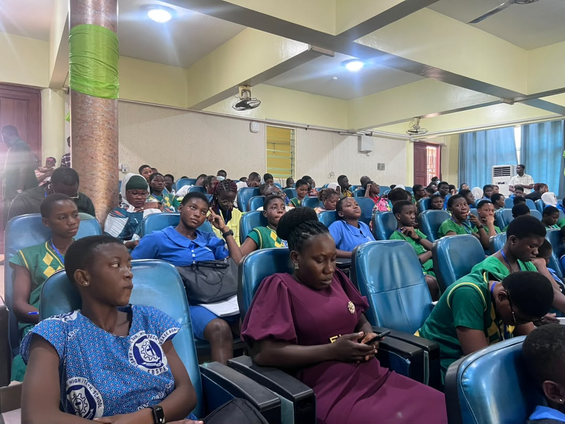
The camp, which assembled over 300 girls, aimed at developing the skills and confidence needed to pursue opportunities in science and technology.
Prof. Kponyo noted that RAIL’s support for the programme is driven by the belief that no gender should be left behind in technological advancement, noting that there remains a gap in the participation of women in technology.
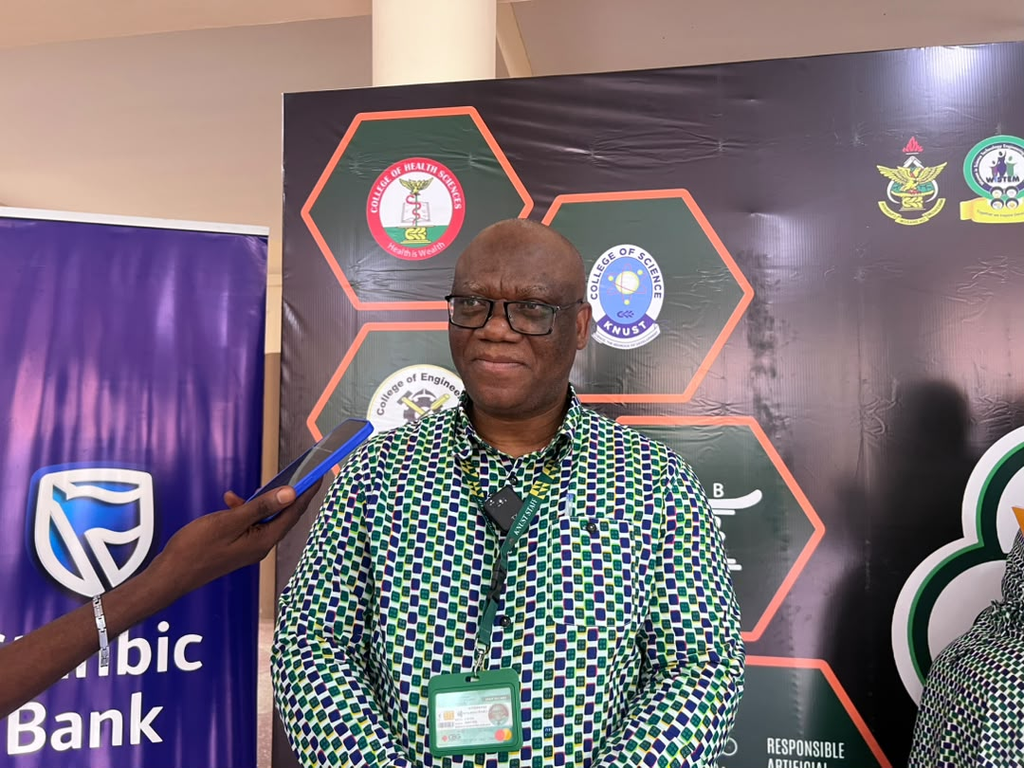
He said the camp provides an opportunity to nurture the interest girls are already showing in STEM through practical experiences and support from parents, teachers, tertiary institutions and industry.
“Primarily, is it important that the little initiative shown by these girls due to the interest in STEM which needs watered doing so involves hands-on-deck approach, parents and teachers have a role to played,” he said.
Participants were exposed to hands-on activities at the Responsible AI Lab, where they could work on projects aimed at solving real-life problems employing science and technology.
They engaged in practical sessions, laboratory activities and field trips designed to stimulate their interest in STEM.
Prof. Kponyo also emphasized STEM investment extensions to young people in rural and underserved communities, noting that talented students in the hinterlands should also have the opportunity to realize their potential.
According to him, the experience would help the girls appreciate that science goes beyond classroom theory and can be used to improve lives.
“If we believe STEM is what will change the world, then we should make investments in the same. Irrespective of where people are, even people in the rural areas should benefit as far as STEM is concerned,” he added.
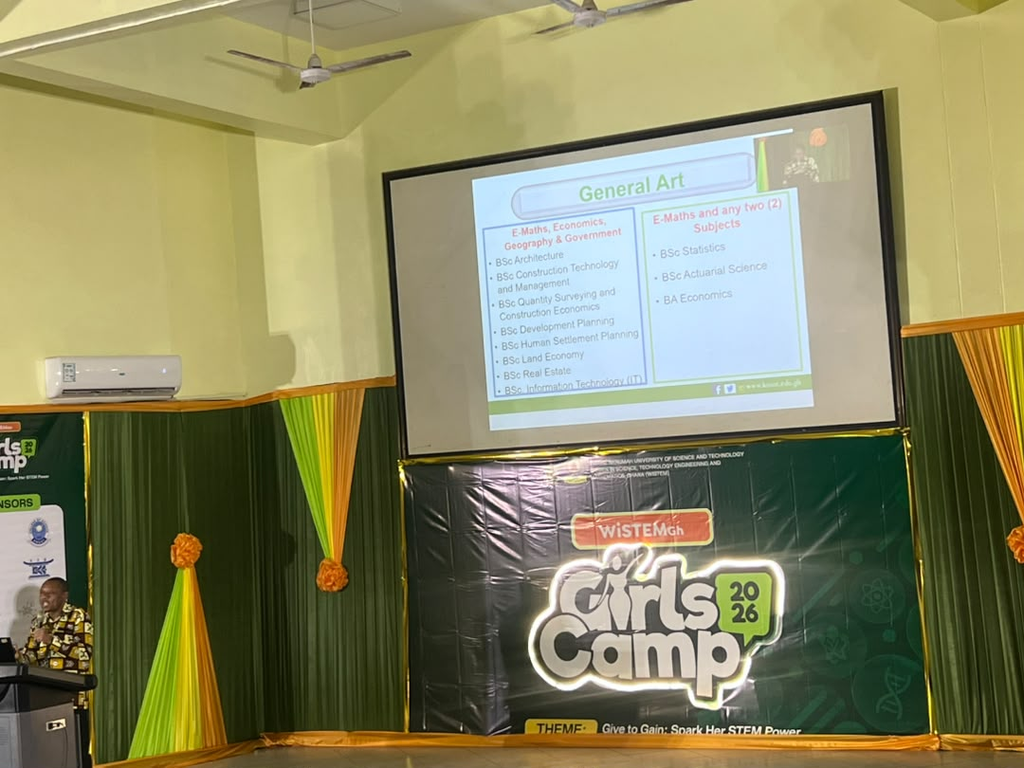
Acting Pro Vice-Chancellor of the Kwame Nkrumah University of Science and Technology (KNUST), Professor Kwabena Biritwum Nyarko, touted the university’s support for the WiSTEM Ghana programme over the years.
“WiSTEM is a programme to encourage and provide tools to young girls to pursue their dreams in STEM and for more sponsors to support the programme,” he noted.
He stressed that investment in STEM education, research and innovation is essential if Ghana seeks to achieve its development aspirations.
Professor Biritwum Nyarko further called on industry players and individuals to provide more funding, mentorship, industrial tours and internship opportunities to support the programme.
Latest Stories
-
WPL 2026/27: Ampem Darkoa Ladies to start title defence against Northern Ladies
11 seconds -
WPL 2026/27: Hasaacas Ladies face Army Ladies in opening round as GFA announce Southern Zone fixtures
12 minutes -
Eduwatch calls for urgent resolution of teachers’ strike and reforms
13 minutes -
Media worker, journalist remanded over alleged GH¢800k fraud
15 minutes -
Safeguard all personal, financial information, including Mobile Money PINs, ATM PINs – BoG to general public
17 minutes -
Gov’t launches roadmap to implement Social Protection Act, Regulations and Affirmative Action Regulations
17 minutes -
Photos: Pete Edochie meets GoldBod CEO Sammy Gyamfi over African youth mentorship initiative
19 minutes -
Black Maidens: Ghana’s envious record at U-17 Women’s World Cup ahead of seventh appearance
31 minutes -
BoG cautions public against 20 unlicensed mobile loan apps
40 minutes -
Mahama urges tougher enforcement of building regulations over recent collapses
44 minutes -
FWSC denies reports of salary deductions for striking teachers
48 minutes -
Rooted like a tree, responsive like a river: Dr Amin Adam calls for new model of Imamship to meet modern realities
56 minutes -
La Traditional Council secures suspension of SSNIT’s La Pleasure Beach redevelopment plans
1 hour -
Joy FM listeners support mother seeking treatment for 3-year-old daughter after alleged sexual abuse
1 hour -
German Unity Day celebrated with music, art and Ghana-Germany friendship in Accra
1 hour