

Audio By Carbonatix
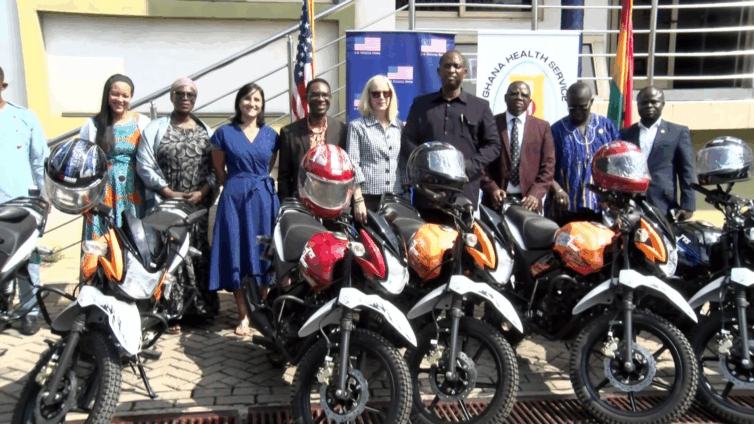
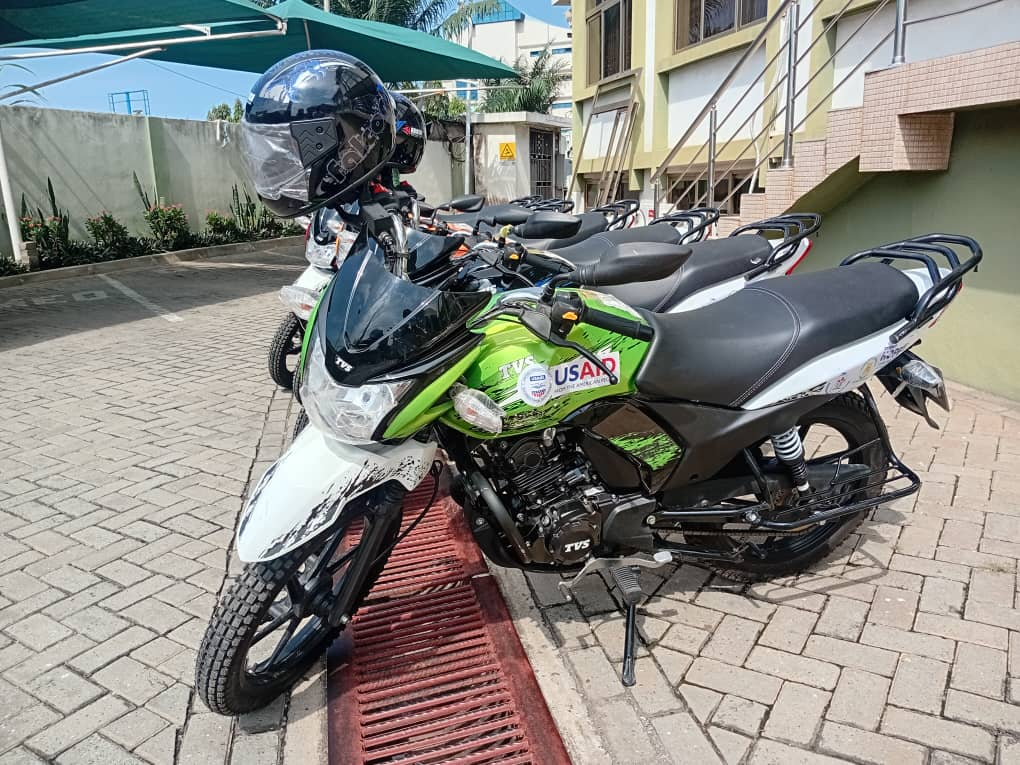
The United States Government has donated more than 90 motorcycles to the Ghana Health Service (GHS) as part of a concerted effort to enhance community health delivery, particularly in remote and underserved areas of the country.
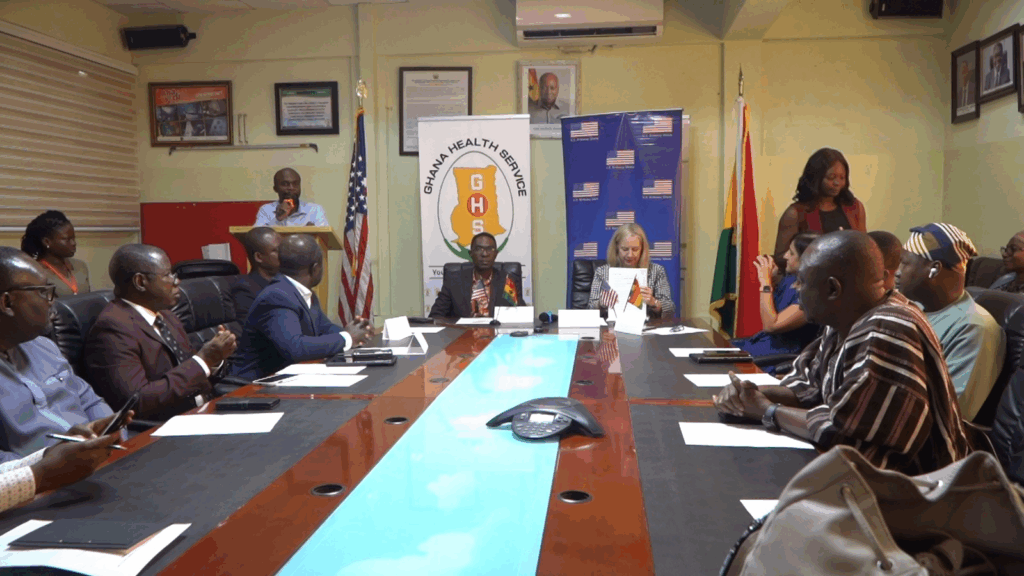
Speaking at the GHS headquarters in Accra on June 16, USAID Ghana Mission Director, Madam Kimberly Rosen, emphasised the importance of reliable transportation in primary healthcare delivery.
“Community outreach is the backbone of Ghana’s primary health care system, but without reliable transport, frontline workers cannot reach the households that need them most,” she said.
Apart from the donation to the Ghana Health Service, an additional 14 were also given to the Christian Health Association of Ghana.
The donation, according to Madam Kimberly Rosen aims to bridge transportation gaps faced by frontline health workers who provide vital services such as antenatal care, malaria prevention, nutrition counselling, and child welfare outreach.
The latest donation forms part of the broader U.S. support for Ghana’s health sector. Over the past three years, the United States has contributed more than 300 motorcycles, 22 vehicles, and over 3,000 electronic tablets to the GHS.
In addition, two boats were donated and another refurbished for health service delivery in the Oti, Volta, and Western Regions.
Also, a $1.7 million investment has been channelled into health equipment in partnership with regional health directorates in northern Ghana.
This initiative seeks to improve maternal, newborn, and child health services by strengthening life-saving interventions at the grassroots level.
The United States’ long-standing partnership with Ghana has also played a crucial role in combating malaria. Over the past 15 years, Ghana has seen a two-thirds reduction in malaria-related deaths.
Among children under five, malaria prevalence has dropped from one in four in 2010 to one in ten today.
The U.S. is increasingly engaging with Ghana through commercial ventures such as Zipline, an American drone delivery company. Zipline’s drones now supply vaccines, blood, and other essential medical materials to more than 500 health facilities across Ghana—enhancing access, creating jobs, and spurring local investment.
The U.S. officials expressed deep gratitude to Ghana’s Community Health Officers and Volunteers, acknowledging the daily sacrifices they make in challenging conditions.
“Your work is exhausting, and it is not easy—the roads are bumpy and sometimes flooded, the days are long, and you often make personal sacrifices to serve in communities far from home,” she noted.
The donation forms part of the Integrated Health Partnership—a $40 million U.S.-funded initiative in collaboration with the Ghana Health Service, Project HOPE, and CHAG, spanning the health, education, and agriculture sectors.
Director of Health Administration and Support Services at GHS, Mr Ebo Hammond welcomed the donation with appreciation.
He described the motorcycles as more than mere transport—they are “critical health tools” in the fight to improve access to quality care.
“A single motorbike equipped with a vaccine carrier and a dedicated nurse can mean the difference between life and death in some of our most remote communities,” Mr Hammond remarked.
He emphasised the role the motorcycles would play in vaccine delivery, disease surveillance, and health education, particularly in areas inaccessible by vehicles.
He also praised the continued collaboration with USAID, especially their support for Ghana’s oxygen infrastructure during the COVID-19 pandemic.
According to Mr Hammond, investments by USAID have already reduced the average distance hospitals must travel to access medical-grade oxygen from 1,850 kilometres to 850 kilometres.
The target is to reduce this further to under 400 kilometres with the installation of ten new liquid oxygen plants across the country.
He expressed gratitude to the U.S. government and its partners for their unwavering support, noting that their contributions are helping Ghana build a more inclusive and resilient health system.
Both governments reaffirmed their commitment to strengthening primary healthcare systems, ensuring that quality care is delivered as close as possible to individuals, families, and communities.
Latest Stories
-
Mahama urges African governments to treat healthcare as an investment, not budget cost
29 minutes -
Bawumia congratulates John Boadu and new NPP executives, pledges support ahead of 2028
31 minutes -
‘No talent should be left out’ – Bawumia pledges inclusive NPP campaign for 2028
37 minutes -
Prof. Mike Oquaye recounts how he blocked Special Prosecutor’s attempt to arrest Bawku Central MP
52 minutes -
Make health sovereignty a priority for Africa – Mahama
1 hour -
Dorimon Naa, Wa West DCE lead massive clean-up exercise; threaten sanctions against recalcitrant residents
1 hour -
Photos From Adom FM Y2K Jam
1 hour -
Praye Tiatia steals the show at Adom FM Y2K Jam [Watch]
2 hours -
Boakye Agyarko congratulates John Boadu, pledges support for NPP leadership
2 hours -
Antwi HiMight thrills fans with Antwi ne Antwi hits at Adom FM’s Y2K Jam [Video]
2 hours -
Amb. Edward Boateng congratulates Boadu, Kodua on election wins
2 hours -
John Boadu pledges to rebuild NPP from grassroots and restore ‘winning machinery’
2 hours -
Ashaiman Assembly deploys monitoring system to curb dumping in storm drain
3 hours -
John Boadu must rebuild, unite NPP for 2028 – Edward Boateng
3 hours -
Executive intimidation of opposition undermines separation of powers – Prof Oquaye
3 hours