

Audio By Carbonatix
Ghana stands at the threshold of a defining moment in its economic history. The transition of the Damang Mine into the hands of Engineers & Planners (E&P), a wholly Ghanaian-owned company, is more than a corporate milestone — it is a national statement of intent.
For over 150 years, long before the first European ship anchored on our shores, the Gold Coast thrived as a land of immense natural wealth and enterprise. Yet, paradoxically, it has taken until now for a fully Ghanaian-owned entity to assume complete ownership and operational control of a large-scale mining asset of this magnitude. That reality should provoke both reflection and resolve.
The Damang takeover is not merely a transaction — it is a correction. It signals a long-overdue shift from participation to ownership, from dependence to leadership. This moment deserves commendation, particularly to the government under President John Dramani Mahama, for enabling what can only be described as a strategic reset.
By creating conditions for indigenous firms to step into the commanding heights of the economy, the state is not just managing resources — it is shaping destiny. It is sending a powerful message to Ghanaian entrepreneurs: you can dream big, you can compete, and you can lead.
Indeed, this moment reflects a vision long held by the President. As far back as 2016 he articulated the need for Ghanaians to control the commanding heights of the national economy — a bold and forward-looking doctrine that is only now beginning to find tangible expression. What was once aspirational is today becoming reality.
In advancing this agenda, President Mahama demonstrates continuity of thought rooted in Ghana’s broader historical mission. Posterity will undoubtedly place such vision alongside that of great Pan-Africanists like Ghana’s founding father, Osagyefo Dr. Kwame Nkrumah, who championed economic independence as the true anchor of political freedom.
At its core, this development reinforces a simple but profound truth: wealth is ownership. For Ghana to achieve sustainable prosperity, Ghanaians must own and control significant stakes in the productive sectors of the economy — especially in industries as strategic as mining, energy, telecommunications, and infrastructure.
This is not an argument against foreign investment. Far from it. Ghana must remain open, competitive, and welcoming to global capital and expertise. The President has been clear on this point, as reflected in reforms to the Ghana Investment Promotion Authority that seek to expand its mandate and remove capital restrictions on foreign investors.
However, the era of absolute foreign ownership of our natural resources must give way to a new paradigm — one of partnership, mutual benefit, and shared value. Foreign investors should be collaborators in our growth story, not sole custodians of our wealth.
The success of E&P at Damang carries implications far beyond the mining sector. When local business champions rise and prosper, the ripple effects are profound: they create jobs, build local capacity, deepen supply chains, and retain value within the economy.
More importantly, they can evolve into global champions — exporting Ghanaian excellence to the world while anchoring wealth creation at home. This is how nations transform: by empowering their own through consistent, deliberate policy actions.
The Damang moment must therefore not be an isolated event. It should be the beginning of a broader national agenda — one that systematically identifies, supports, and scales Ghanaian enterprises across all key sectors. It should inspire policy, finance, and institutional alignment toward a singular goal: Ghanaian ownership in Ghana’s economy.
History will remember this transition not just for who took over a mine, but for what it represented — a bold step toward economic sovereignty and a renewed belief in Ghanaian enterprise. I daresay this is the eureka moment for the Ghanaian Dream.
The task now is clear: ensure that this moment becomes a movement.
Until Ghanaians own and lead in the commanding heights of our economy, our prosperity will remain borrowed. Damang is not the end — it is the beginning of Ghana taking its rightful place as both custodian and creator of its wealth.
About the author
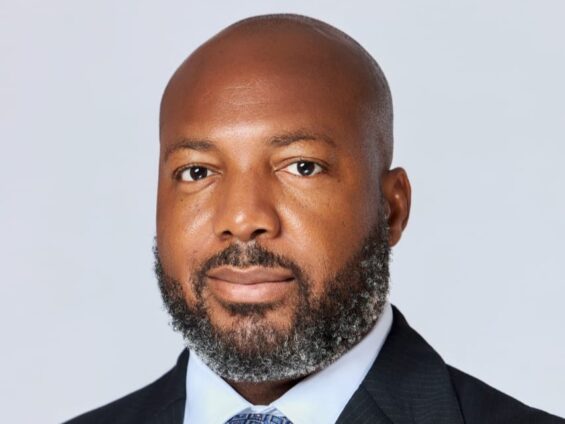
George Spencer Quaye is a governance and digital transformation strategist, public policy commentator and board-level leader. He writes on leadership, political reform and Africa’s development trajectory. He’s currently serving as the chairman of the governing board of the Driver and Vehicle Licensing Authority
Latest Stories
-
Former Deputy Trade and Industry Minister Nana Ama Dokua called to Ghana Bar
11 minutes -
Old Edubiase Methodist Basic School pupils turn traders, farmers as teachers’ strike bites harder
11 minutes -
Prudential Bank secures GH¢1.13bn investment from Bloom Africa
18 minutes -
Ernest Kwasi Okoh
24 minutes -
The Trotro has become a House of Worship!
31 minutes -
Fire guts Zeko Genius spare parts depot in Techiman; firefighter hospitalised after smoke inhalation
31 minutes -
Common insecticides linked to lower sperm concentration in men, study finds
33 minutes -
CXP urges businesses to localize AI to improve customer experience
38 minutes -
TUC calls on government to urgently address striking teachers’ grievances
43 minutes -
GHIMA sounds alarm over unlicensed practitioners handling health data, warns of threat to patient safety
1 hour -
Old Edubiase pupils turn to trading, farming as teachers’ strike disrupts schooling
1 hour -
Energy Minister commends NPA CEO for maintaining petroleum market stability amid global shocks
1 hour -
Armah-Kofi Buah, Sam George, other MPs among newly qualified lawyers
1 hour -
Ghana exporting eggs to Burkina Faso amid local surplus – Agric Minister
1 hour -
Governance failure in Ghanaian football and a presidential reform agenda
1 hour