

Audio By Carbonatix
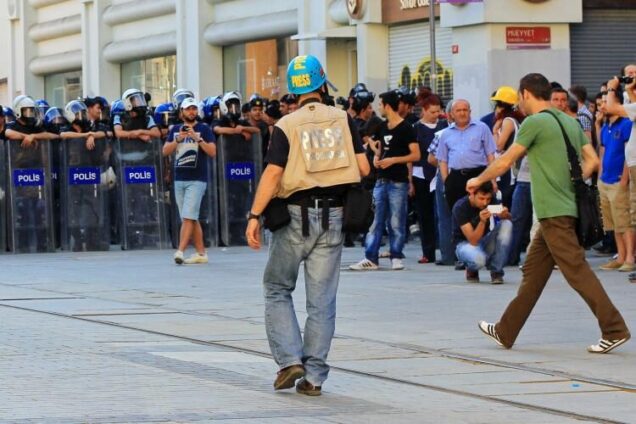
This week, journalists worldwide commemorate the International Day to End Impunity for Crimes Against Journalists, a UNESCO-led initiative to bring attention to the ongoing risks journalists face, including arrests, threats, detentions, and killings.
Highlighting these concerns, over 450 journalists from 32 African countries gathered in Johannesburg, South Africa, at the African Investigative Journalism Conference (AIJC).
This conference underscored the heightened risks African journalists confront and called for a united effort to secure their safety and promote media freedom across the continent.
The conference participants issued a statement reflecting deep concerns over the safety of journalists in Africa, where many reporters continue to work under life-threatening conditions, often targeted for reporting on corruption and human rights abuses.
“We are subject to killings, physical and digital attacks,” the statement declared, stressing the urgent need for protective measures to counteract disinformation and safeguard journalistic integrity.
Key Recommendations to African Governments
The AIJC participants and endorsing organizations, including The African Editors’ Forum (TAEF), urged African governments to:
1. Release Journalists Unlawfully Detained: Ensure the immediate release of journalists detained for their professional activities and withdraw unfounded charges.
2. Establish an International Investigative Mechanism: Create a tribunal under the African Union or United Nations to investigate crimes against journalists.
3. Restrict Surveillance on Journalists: Enforce laws preventing government and private sector use of surveillance software to spy on journalists.
4. Strengthen Data Protection Laws: Implement data protection mechanisms to protect journalists’ communications and sensitive information.
Action Steps for Civil Society and Media Freedom Organisations
The conference participants also called on civil society, media organizations, and human rights groups to:
• Enhance Collaboration on Journalist Safety: Establish reporting platforms for incidents of harassment and digital threats, provide emergency support, and develop digital security tools tailored for journalists.
• Support Female Journalists: Increase efforts to protect female journalists through robust newsroom protocols addressing harassment.
• Promote Digital Literacy and AI Security Training: Offer training to journalists, particularly on digital safety in high-risk areas and responsible AI use in newsrooms.
• Encourage Cross-Border Collaboration: Strengthen networks that enable journalists to share resources, pursue joint investigations, and foster sustainable media funding across Africa.
The conference concluded with a call for a unified African stance to prioritize the safety of journalists and uphold press freedom.
As highlighted by the Windhoek +30 Declaration, both journalism and information are public goods, and protecting these rights is vital to preserving democracy on the continent.
AIJC participants underscored that this year’s gathering not only provided a forum to discuss ongoing threats but also allowed journalists to consult with UNESCO on human rights risk assessments, particularly concerning online safety.
The recommendations, formally adopted by AIJC attendees and backed by TAEF, reflect a collective call to action for stronger protections and sustained advocacy to end impunity for crimes against journalists in Africa.
Latest Stories
-
Ecobank Group commits US$2.6bn to women-led businesses and agribusinesses across Africa
2 minutes -
Ghana to host high-level conference on scaling education initiatives in emergencies
25 minutes -
Democracy must not be for sale: Who pays for Ghana’s politics, and how do we confront money, influence and accountability?
40 minutes -
Aburi Amanfrom landowners appeal for government support for Atwapim development project
44 minutes -
Cargill Ghana and International Cocoa Initiative celebrate 111 young graduates building skills for the future
1 hour -
Video: Madina MP Francis-Xavier Sosu collapses while addressing students at GIMPA
1 hour -
Hunnyboy reveals how social media landed him Shatta Wale feature
1 hour -
I am a perfectionist – Actor William Lamptey
1 hour -
No room for another false start as Ghana begin AFCON qualifying campaign
2 hours -
“We are grateful for what you have achieved” – AGI President tells Finance Minister
2 hours -
“No Nation is Inferior”: Mahama champions human dignity and security council reform at the UN
2 hours -
Manhyia South residents, NPP executives fume over botched EOCO arrest of MP
2 hours -
Mahama unveils new deal with global philanthropy
2 hours -
Daily Insight for CEOs: Building customer-centric leadership
3 hours -
Democracy must deliver food, jobs and healthcare, not just elections – Mahama
3 hours