

Audio By Carbonatix
Introduction
The recent inclusion of African countries like Egypt and Ethiopia into the BRICS group, consisting of Brazil, Russia, India, China, and South Africa, heralds a new chapter in global economics. This move is not just a symbolic gesture of political alignment but a significant shift in economic paradigms, offering a plethora of opportunities for African economies.
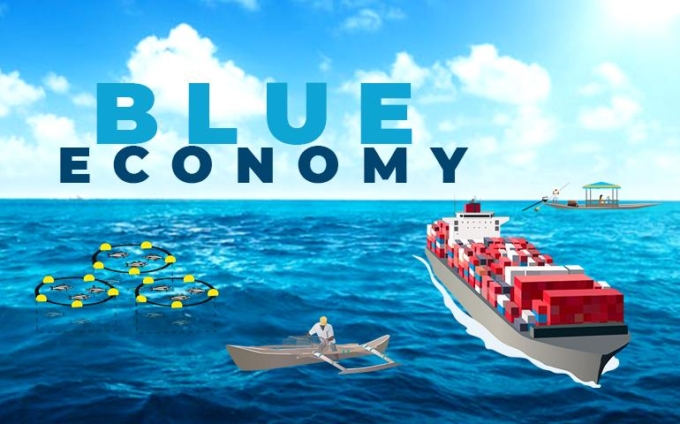
Central to this transformation is the concept of the Blue Economy, which includes a vast array of maritime activities, ranging from traditional sectors like fishing to emerging ones like seabed mineral extraction and marine biotechnology.
The Blue Economy: A Multifaceted Opportunity
The Blue Economy, contributing nearly US$300 billion annually and supporting around 49 million jobs, is a critical component of Africa's economic landscape. This sector spans various activities, including sustainable marine energy, fisheries, aquaculture, maritime transportation, and tourism. Its impact, however, transcends mere economic figures.
The Blue Economy plays a vital role in food security, livelihood enhancement, and biodiversity conservation. Sustainable practices in exploiting oceanic and coastal resources are essential for balancing economic growth with ecological preservation. The Blue Economy is thus seen as a key driver of sustainable development, contributing to the overall prosperity and health of the continent.
BRICS Expansion: Economic and Political Implications
The inclusion of African nations in BRICS reflects their rising significance on the global stage and the recognition of their untapped economic potential. This strategic move offers unprecedented opportunities for these nations to reshape their global economic standing. It opens new avenues for market access, investment, and technological collaboration, creating fertile ground for rapid economic development.
Within this context, the Blue Economy emerges as a catalyst for economic diversification, offering innovative avenues for growth. This expansion signifies a shift towards a more inclusive global economy, where Africa's unique resources and challenges are integrated into the global economic narrative.
Historical Context and Future of Africa in BRICS
Historically, the economic and political dynamics within BRICS have been shaped by the individual and collective aspirations of its member countries. Africa's entry into this group is poised to add a new dimension to these dynamics.
The continent's vast natural resources, including its extensive maritime territories, place it in a strategic position to influence global economic policies and practices. Looking forward, Africa's participation in BRICS could redefine international trade and economic cooperation, with the Blue Economy playing a central role in this process.
The Oceans' Potential: Sustainable Exploitation and Preservation
Covering more than 70% of the Earth's surface, oceans represent a vast resource for wealth and employment. The sustainable management of these resources is critical for the long-term health of marine ecosystems and the livelihoods of those dependent on them.
Responsible exploitation of ocean resources involves balancing extraction with conservation, ensuring the marine environment's longevity and productivity. The health of our oceans is intrinsically linked to the overall health of the planet and the well-being of millions who rely on oceanic resources.
Case Studies of Successful Blue Economy Initiatives
Several African nations have already embarked on initiatives to harness the Blue Economy. For instance, Seychelles has implemented pioneering blue bonds to fund marine projects, while Mauritius is developing its ocean economy through investments in fisheries, aquaculture, and marine renewable energy. These case studies provide valuable lessons for other African countries looking to develop their Blue Economies.
African Continental Free Trade Area (AfCFTA) and Blue Economy
The AfCFTA, representing the largest free trade area since the WTO, encompasses 54 African countries. It aims to boost intra-African trade, reducing barriers to the movement of goods, services, and people. This is particularly significant for the Blue Economy, as it stands to benefit from an interconnected market for maritime resources. The AfCFTA enhances access to regional markets and encourages the sustainable development of maritime resources. It is expected to catalyze economic growth, enhance regional collaboration, and facilitate sustainable ocean governance.
The Role of Technology and Innovation in the Blue Economy
Technological advancements and innovations play a crucial role in the sustainable development of the Blue Economy. Technologies like remote sensing, marine biotechnology, and renewable ocean energy are reshaping traditional maritime activities. These innovations not only enhance efficiency and productivity but also help in addressing environmental challenges.
Environmental Challenges Confronting the Blue Economy
The Blue Economy faces significant environmental challenges, including marine pollution, illegal fishing, coastal erosion, and biodiversity loss. Climate change adds a layer of complexity to these challenges, affecting marine ecosystems and fish stocks.
Addressing these issues requires a coordinated approach involving policy-making, scientific research, community engagement, and international cooperation. Effective strategies are necessary to preserve marine ecosystems and ensure the sustainable and equitable distribution of the Blue Economy's benefits.
Strategies for Combating Environmental Challenges
Implementing effective strategies to combat environmental challenges is critical for the sustainable development of the Blue Economy. This includes establishing marine protected areas, promoting sustainable fishing practices, and implementing policies to reduce marine pollution. Regional and international cooperation is essential in addressing these challenges, as marine ecosystems and resources often span national boundaries.
The World Bank's Role in Supporting the Blue Economy
The World Bank's Blue Economy for Resilient Africa Program exemplifies a strategic approach to developing the Blue Economy. This program focuses on sustainable development, including environmental protection and resource management. It provides financial and technical support to African countries to develop their Blue Economies sustainably and inclusively.
Conclusion
The integration of African nations into BRICS and the implementation of the AfCFTA mark a new era of opportunity, balanced with the responsibility of ecological preservation. Ensuring the health and productivity of our oceans is crucial for the livelihood of millions and the prosperity of future generations.
The Blue Economy offers a path to sustainable growth, allowing Africa to strengthen its position in the global economic landscape and create a legacy of prosperity and sustainability for generations to come.
-
About the authors

Albert Derrick Fiatui, is the Executive Director at the Centre for International Maritime Affairs, Ghana (CIMAG), an Advocacy, Research and Operational Policy Think- Tank, with focus on the Maritime Industry (Blue Economy) and general Ocean Governance.
He is a Maritime Policy and Ocean Governance Expert.

Dr. David King Boison is the esteemed CEO of Knowledge Web Centre, a prominent research and consulting firm. He chairs the Ethics Review Committee at the National Health Insurance Authority, ensuring ethical conduct in health data management. Dr. Boison also serves as Track Chair at the Academy of African Business Development, fostering business scholarship in Africa. Notably, he pioneered the e-port system at GPHA, revolutionizing port operations with a seamless, paperless approach. His extensive consulting experience spans both national and international organizations. Additionally, he leads the Ethics Board at the Ghana Institute of Freight Forwarders, promoting industry integrity.
Dr. Boison's academic portfolio includes a Business Administration degree and dual MSc degrees from Coventry University, UK, in Supply Chain Management and Management Information Systems. He also holds a PhD in Business Administration, specializing in supply chain. A certified Prince2 Project Practitioner, his expertise extends to advanced project management methodologies.
Latest Stories
-
Power restoration fault suspected in Kumasi Central Market fire
4 hours -
The 7-foot giant of Ngleshie Amanfro: Seven-foot Ghanaian Ephraim Saawa dreams of joining the national basketball team
5 hours -
Government promises support for Kumasi Central Market fire victims
5 hours -
Vibes The Movie: Big Ghun’s Ghanaian film earns five nominations at 2026 REFFA
5 hours -
MamaCare CEO warns unresolved conflicts among health workers could undermine maternal and neonatal care
6 hours -
Health professionals urged to translate medical knowledge into practice to save mothers
6 hours -
Conflicts among care providers linked to maternal, neonatal deaths – Expert
7 hours -
GIS marks 10th TIME conference, champions improved teaching practices
7 hours -
BRICS Or Balance? What Ghana’s bid really means
8 hours -
GPRTU wants full TRAFFITECH-GH implementation to start in 2027
8 hours -
How 10-mile walks for basic education birthed a 50-year legal career for Justice Korbieh
8 hours -
Mahama announces plans to import electric wheelchairs for PWDs
8 hours -
KGL U17 Colts 2026: Western beat Prempeh Elite Academy to set up final final with Greater Accra Region
9 hours -
Late Solanke strike salvages 10-man Spurs draw at Man United
9 hours -
Gender Ministry to monitor welfare of Nana Akua Addo’s children amid domestic violence case
9 hours