

Audio By Carbonatix
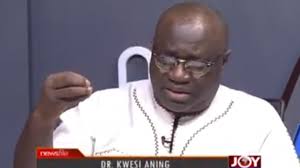
Director of the Faculty of Academic Affairs and Research at the Kofi Annan International Peacekeeping Training Centre, Prof. Kwesi Aning has cited ease of access to guns and the desire to demonstrate machismo by the youth, as the possible causes of gangsterism in the country.
Speaking on the AM Show on Thursday, January 20, 2022, he explained that the unfortunate incident could be attributed to a gamut of factors.
“Authority as we know, it is beginning to give way. We are seeing a youth bulge that is frustrated, a sense of exclusion, easy availability of guns and sometimes a culture where demonstration of macho behavior and utterances where these are glorified, poor usage of Police intelligence in preventing the ability of people to organize and publicly display their ability to threaten society. So there is a gamut of reasons that has brought the Nima-Maamobi clash into the public domain,” he said.
Reacting to the clash, Prof. Kwesi Aning blamed the Police for failing to use intelligence gathered to prevent the violent clash from happening.
According to him, the speed with which the leaders of the gang and the groups involved were identified implies that the Police had intelligence which he believes could have been used to prevent the clash.
“If you see the speed with which we’ve been given the names of the gang and their leaders, then it creates a certain impression that these gangs are known…So the question is if within an hour or two we knew the leadership, we knew the names, possibly had an idea about the structure and the psyche driving them and their types of economic criminal activities that they are engaged in, then why didn’t we intervene, why wasn’t that intelligence used to prevent what happened?” he added.
He stressed the need for the Police to use proactive intelligence gathered in preventing violent incidents from happening in the country.
The Police on Wednesday, January 19, 2021, placed a GH¢20,000 bounty on the leaders of the two groups involved in violent clashes at Nima on Tuesday afternoon.
The two groups, namely; the Bombom group and the Kumordzie group, are led by Ali Awudu and Ibrahim Husein respectively.
“The kingpins, the actual chief executives of these criminal gangs, we are doing everything possible to make sure we pursue them, get them, investigate them and charge them for court. The Police administration has placed GH₵20,000 on their heads. Anybody who offers credible information that leads to their arrest will be given that amount. Therefore, it is our wish that members of the public will collaborate with the Police to enable us to get them to face justice,” ACP Kwesi Ofori disclosed.
Latest Stories
-
Bank of Ghana engages stakeholders in Techiman
2 minutes -
PIAC unable to verify GH¢21m petroleum-funded projects in Ayawaso West
9 minutes -
Ketu North MP led delegation petitions government over deteriorating Weta Irrigation Scheme
13 minutes -
Unpaid contractor delays KATH Mother and Baby Unit as materials deteriorate
18 minutes -
Kofi Adams says Ghanaians ignored warnings over World Cup visa payments
23 minutes -
Banks to apply 20% VAT on cross-border digital payments with Ghana-issued cards
28 minutes -
Education Minister appeals to GAUA to call off strike, resume work on October 19
33 minutes -
Mahama assures Assemblies of God of support for World Congress
38 minutes -
Ghana must prioritise home-grown AI solutions to meet national needs – UNDP
42 minutes -
Mahama truly cares – Obuobia Darko-Opoku
46 minutes -
Fire at GRIDCo Mallam substation disrupts power in parts of Accra
55 minutes -
Your client is Parliament, not a party; remain honest even when unwelcome – Speaker
60 minutes -
Mahama urges chiefs to help tackle galamsey, protect water bodies
1 hour -
Bank of Ghana pilots digital cross-border payments with Rwanda, Nigeria
1 hour -
Cedi edges higher as GoldBod boosts dollar supply to banks
1 hour