

Audio By Carbonatix
The BBC is to cut 450 jobs in its English regional TV news and current affairs, local radio and online news.
Seven of the 20 presenters on 6.30pm regional TV bulletins will be cut, and some local radio shows will be axed.
Inside Out will be replaced by a new investigative journalism programme, which will have six regional editions instead of the previous 11.
The cuts are expected to save £25m by 2022, and follow news of job losses in Scotland, Wales and Northern Ireland.
The BBC has previously said it must save £125m this year because of financial pressures resulting from the coronavirus pandemic.
More than 150 roles are due to be lost in Scotland, Wales and Northern Ireland, the corporation announced in June.
The proposed cuts are on top of the 450 redundancies previously announced - and subsequently put on hold - by BBC News.
How will BBC output change?
The new TV show to replace the magazine programme Inside Out will feature a single 30-minute investigation per episode, and will be made in London, Newcastle, Leeds, Birmingham, Bristol and Norwich.
That means weekly current affairs programmes will no longer be made in Plymouth, Southampton, Tunbridge Wells, Nottingham and Salford.
Regional TV and online news teams will be merged, and there will no longer be an online editorial hub in Birmingham.
In the 39 local radio stations, the "simplified" schedule that was introduced when the pandemic began in March will be made permanent.
The stations previously often had different programme schedules, but each will now have three daytime shows with one presenter. Any shows with two hosts will go down to one.
The 11 regional Sunday morning political programmes, which have been replaced during the coronavirus pandemic by a single show, will all return but will undergo a "creative review".
Regional morning news bulletins, which were cut during the pandemic, will also return.
Why is this being done?
Helen Thomas, the director of BBC England, said the corporation's local and regional services were created more than 50 years ago, and "have changed very little and need significant reinvention".
She said: "That has meant taking some difficult decisions.
"We are in the age of the Facebook community group and the WhatsApp neighbourhood chat. We must adapt to better reflect how people live their lives, how they get their news and what content they want.
"We're going to modernise our offer to audiences in England by making digital a central part of everything we do. We'll take forward lessons from Covid-19 that will make us more agile and more in touch with communities while also ensuring we're as efficient as we can be.
"I'm confident we can evolve our local and regional services while improving our impact and better serving our audiences."
What has the reaction been?
Michelle Stanistreet, general secretary of the National Union of Journalists, said: "These are huge cuts which will inevitably have an impact on the BBC's ability to sustain the breadth and depth of news coverage throughout England which truly reflects the diversity of the nation."
Labour's shadow minister for media, Chris Matheson, said: "While not unexpected, these cuts are still very damaging and unwelcome."
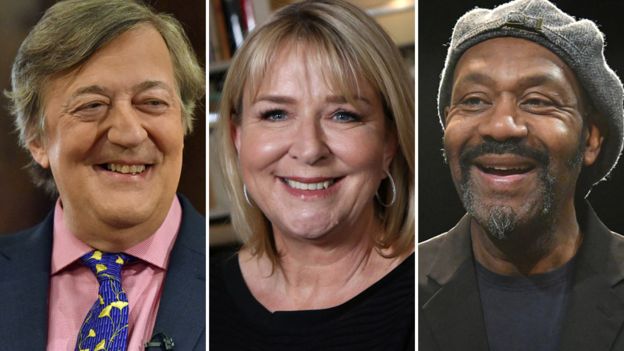
The announcement comes two weeks after dozens of broadcasters from Stephen Fry to Sir Lenny Henry signed a letter asking the BBC not to cut its English regional current affairs programmes.
"Never has in-depth investigative journalism, holding people to account and reflecting the regional diversity of England been more important," it said.
Latest Stories
-
I do not see myself as better than anyone – NPP’s 1st Vice Chair Kojo Bamba
27 minutes -
Police blur the line between invitations and arrests – Reindorf Twumasi Ankrah
1 hour -
Turning invitations into arrests is making citizens reluctant to assist police – Twumasi Ankrah
2 hours -
The Traffitech-GH SMS spot-fine system: The good, the sad, and the funny – Bright Simons writes
2 hours -
Hawa Koomson pledges experienced and mature leadership of NPP women’s wing
3 hours -
Young woman found dead at Kasoa Peace Town
3 hours -
Playback: The Law examined lawful arrest in Ghana
4 hours -
Mahama urges African governments to treat healthcare as an investment, not budget cost
4 hours -
Bawumia congratulates John Boadu and new NPP executives, pledges support ahead of 2028
4 hours -
Aksa Energy delegation pays courtesy call on GRA Commissioner-General
4 hours -
‘No talent should be left out’ – Bawumia pledges inclusive NPP campaign for 2028
5 hours -
Prof. Mike Oquaye recounts how he blocked the Special Prosecutor’s attempt to arrest Bawku Central MP
5 hours -
Make health sovereignty a priority for Africa – Mahama
5 hours -
Dorimon Naa, Wa West DCE lead massive clean-up exercise; threaten sanctions against recalcitrant residents
5 hours -
Photos from Adom FM Y2K Jam
5 hours