

Audio By Carbonatix
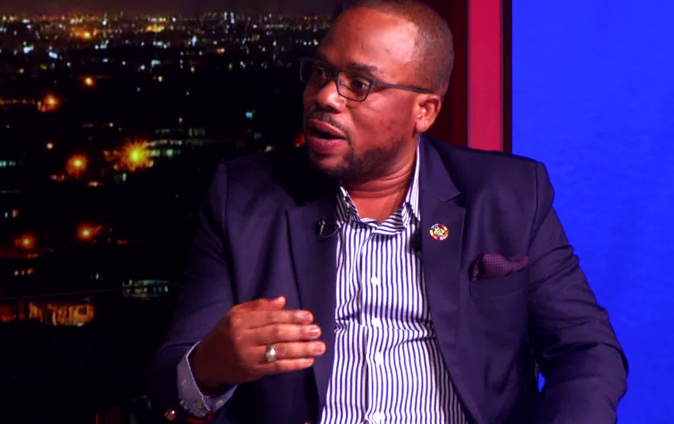
Ghana’s High Commissioner to South Africa, Benjamin Quashie, says the government was compelled to begin evacuating Ghanaians from South Africa after persistent unrest and hostility against foreign nationals continued to threaten the safety and livelihoods of many citizens.
According to him, Ghanaian authorities initially engaged South African officials and proposed solutions to address the growing tensions, but the situation persisted despite expectations that the demonstrations would eventually subside.
“We realised that in our engagement with the South African authorities, while we were offering solutions to what was happening, they took an entrenched position,” he said.
The High Commissioner explained that South African authorities maintained the view that the demonstrators would eventually stop their actions, but incidents continued, leaving many Ghanaians facing economic hardship and insecurity.
“But it kept happening, and most of our people had economic challenges,” he stated in a Citi FM interview.
Mr Quashie said the government eventually concluded that immediate action was necessary to protect affected Ghanaians from further hardship.
“When we got to the point where we realised if we don’t take a stance it will hurt our people, that was where we decided to start evacuating those who want to go home,” he added.
He noted that the evacuation exercise has so far proceeded smoothly and will continue for all Ghanaians who voluntarily wish to return home.
“I must say it went well and we are continuing with the evacuation of all our citizens who want to go home voluntarily,” he said.
Mr Quashie also stressed that the government remains committed to protecting the welfare of Ghanaians both at home and abroad.
“The government of Ghana cares about its citizens both at home and abroad, and we have a President and a Foreign Affairs Minister who care deeply about what Ghanaians go through abroad,” he added.
The evacuation exercise is being coordinated through Ghana’s diplomatic mission in South Africa in collaboration with the Ministry of Foreign Affairs, following increasing reports of intimidation, attacks and hostility against foreign nationals in parts of the country.
The first batch of 300 evacuees arrived in Accra on Wednesday as part of the ongoing exercise.
Officials say temporary support, counselling and reintegration assistance have been arranged for affected persons returning to Ghana.
Latest Stories
-
Hotline Documentary: ‘Silent Football’ to air on JoyPrime and JoyNews today
18 minutes -
NDPC examines how evidence shapes Ghana’s development planning and policy decisions
18 minutes -
Education Ministry calls urgent talks to break GAUA strike deadlock
20 minutes -
NCCE engages women in North East Gonja on rule of law, anti-corruption
29 minutes -
NDPC reviews 2004 planning guidelines to reflect changes in decentralised system
35 minutes -
Trade Ministry commends Prisons Service for using art to drive inmate rehabilitation
41 minutes -
Books, brushes and second chances: Dr Abena Asomaning launches three titles to support prison outreach
48 minutes -
Treasury bill auction oversubscribed by 53.5% as yields fall across maturities
50 minutes -
NPP warns aspirants premature campaigning could jeopardise eligibility for primaries
56 minutes -
Ghana courts investors in Bangkok after exit from $3bn IMF bailout
1 hour -
8 arrested over alleged internet fraud initiation assault in Bono Region
1 hour -
SSNIT says Labadi Beach Redevelopment will create local economic opportunities
1 hour -
BoG proposes 30-day liquidity buffer requirement for banks
1 hour -
BoG plans reviews of banks’ cybersecurity compliance
1 hour -
GRA cautions taxpayers against attacking tax officials
1 hour