

Audio By Carbonatix
The West African Development Bank (BOAD) has reiterated its dedication to promoting energy transition and sustainable agriculture across the sub-region.
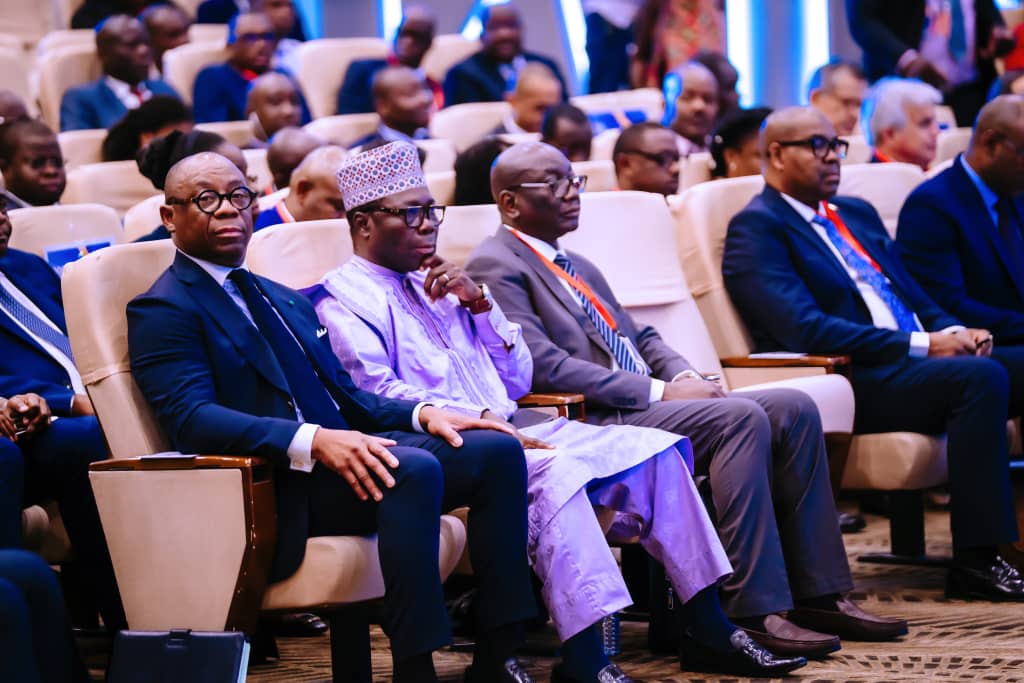
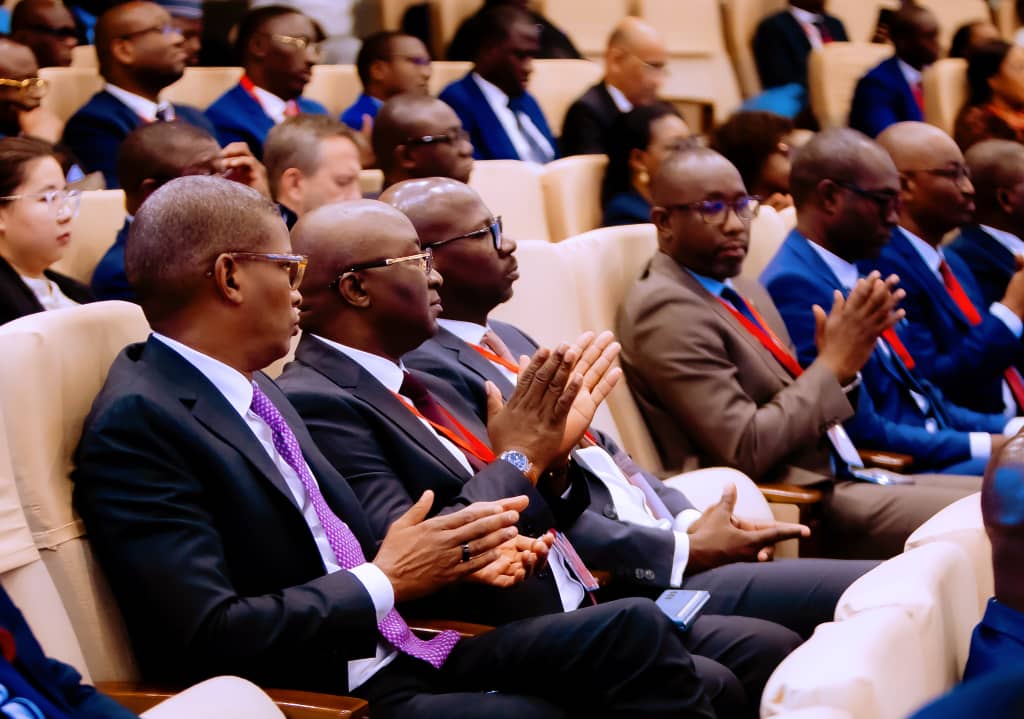
Determined to play a leading role in tackling these pressing issues, the bank convened the inaugural BOAD Development Days from 12 to 13 June in Lomé, Togo.
The event brought together a cross-section of experts in finance, green energy, and agriculture to reflect on the central theme: “Financing the Energy Transition and Sustainable Agriculture – Challenges, Opportunities, and Solutions.”
This high-level forum offered a platform to assess the current state of financing in these sectors and to chart a path forward for the West African Economic and Monetary Union (WAEMU) region.
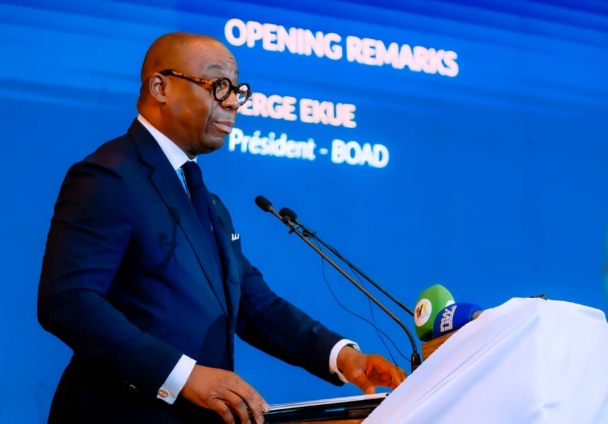
BOAD President, Mr Serge Ekué, stressed the need to re-evaluate the financing of projects in light of emerging global and regional realities.
“Climate change, rapid urbanisation, and food insecurity compel us to rethink the ways we produce, invest, and consume,” he noted.
Given the growing scarcity of financial resources, BOAD seeks to establish a robust exchange and solution-driven platform to boost sustainable development in the region.
“These BOAD Days aim to create a space for dialogue and solutions, aligned with our commitment to sustainable development within the WAEMU,” Mr Ekué explained.
Delivering a keynote address, economist and former Prime Minister of Benin, Lionel Zinsou, called for a structural transformation of the regional financing ecosystem.
“We must address the structural weaknesses of our financial system by introducing alternative sources of financing and supporting the disruptive approach BOAD is championing through this forum,” he said.

Mr Zinsou described the underfunding of the energy and agriculture sectors in WAEMU as a significant anomaly, especially when compared to investment patterns in countries such as Morocco and South Africa.
The event facilitated the identification of promising avenues and the formulation of innovative solutions, including blended finance, public-private partnerships, and the integration of Fintech.
Participants encouraged WAEMU member states to continue strengthening their macroeconomic frameworks through reforms and incentive-driven policies to attract greater private investment in agriculture and energy.
Despite a challenging global financial landscape, BOAD has made remarkable strides under its Djoliba Strategic Plan (2021–2025), which aims to inject fresh impetus into key development sectors.
Sustainability lies at the heart of this strategy, with renewable energy identified as a financing priority. Similarly, sustainable agriculture remains a focal point, aimed at achieving long-term food security and economic resilience.
As the Djoliba plan approaches its final phase, the bank has already achieved 98.8% of its financing targets, equating to more than 3,310 billion CFA francs channelled into WAEMU economies.
Impressively, resource mobilisation has surpassed expectations, with 4,510 billion CFA francs raised, including 2,064 billion from external partners,137% of the initial objective.
The bank was established in 1973 to support WAEMU member states and local stakeholders in achieving their priorities, including quality education, access to healthcare, sustainable and renewable energy, resilient agriculture, climate resilience, and food security.
Latest Stories
-
GAUA to consult members before deciding whether to suspend two-month university strike
1 minute -
Moody’s upgrades Ghana’s credit ratings to B3, but changes outlook to stable
7 minutes -
‘I want to raise well-rounded individuals, not just men’ – Kate Addo on parenting boys
11 minutes -
Yaa Konadu Agyeman’s ‘Exceptionally Yours’ is the perfect romance read for the holiday season
21 minutes -
‘You have to man up’ – Kobby Kyei on the hidden cost of silence for Ghana’s boys
24 minutes -
DVLA extends regional office hours to 10pm under 24-Hour Economy
28 minutes -
‘Ghanaians are becoming like Kweku Ananse’ – Agyinasare warns against culture of lies
29 minutes -
‘The nation failed us’ – Okada Riders’ PRO defends young riders caught between survival and the law
30 minutes -
DVLA plans demerit point system, real-time monitoring of testing stations
31 minutes -
Health Committee Chair lauds NHIA’s swift disbursement of insurance claims
31 minutes -
Okada Association says it’s preparing training centre as gov’t works on new regulations
32 minutes -
Imperial General Assurance backs Team Auto Racing Ghana ahead of historic Angola showrun
40 minutes -
Before they failed the BECE, did Ghana fail them?
41 minutes -
Photos: Mahama swears in Emelia Afi Agbenyo, Joseph Kwaku Asamoah as EC Deputy Commissioners
44 minutes -
Centre for CSR, West Africa partners with Climate x Culture Summit to champion corporate sustainability at Google AI Centre
49 minutes