

Audio By Carbonatix
The Bank of Ghana is promising to continue to promote access to an inclusive financial system as by extension broad-based macroeconomic growth through its policy, regulatory, and supervisory tools.
To this end, it will promote the safety and soundness of financial institutions it regulate so that they are better able to provide finance to economic actors on a sustainable basis.
Again, it will monitor the implementation of Ghana’s Sustainable Banking Principles – a set of seven ESG –related principles launched in November 2019 by the Bank of Ghana, Ghana Association of Banks, and the Environmental Protection Agency – which enjoins banks to among other things, promote financial inclusion and gender equity internally and in relation to their products and services to clients.
Others are implementation of a new online reporting and analytics supervisory tool, the enhancement of critical credit market infrastructure such us the credit bureaux-based credit reporting system and ensuring tha regulation of the payments space is supportive of innovation and inclusion by allowing fintechs and other payments system service providers to partner with banks and other licensed financial institutions.
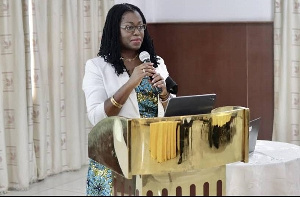
Speaking at the First + Gender Finance Workshop organised by Ghana Microfinance Institutions Network (GHAMFIN) and CapPlus, Second Deputy Governor, Elsie Addo Awadzi called on all stakeholders to get on board and see how best they can all work together to achieve the intended objectives of the First + initiative.
Access to finance for Micro, Small and Medium Enterprises remains a perennial challenge and most surveys including the Bank of Ghana business environment surveys confirm this. Women-owned MSMEs also face an even higher bar to accessing finance.
As of 2017, the World Bank’s Findex Report suggested that there was an 8% gender gap in access to finance in Ghana, and an average of 9% for Africa.
The Second Deputy Governor said the First + initiative is therefore timely and urgent, as part of efforts to help our economy recover from the pandemic and make it more resilient going forward.
“As this initiative focuses on the supply-side of access to finance by aiming to empower financial institutions to provide more products and services for MSMEs in a gender inclusive manner, it is important to understand what the constraints have been for our financial institutions beyond the sources of funding available to them, and how this initiative can address those constraints fully.”
“In addition, we need to also think about what the demand-side constraints have been, so that we can somehow address them to promote effective take-up of gender-inclusive MSME-focused products and services", she noted
Latest Stories
-
Ghana explores centre of excellence for hearing, communication and cochlear implant care
60 minutes -
Schizophrenia-related disorders lead mental health cases recorded in Ghana
1 hour -
Dutch authorities enlist Ghana in hunt for fugitive drug lord Bolle Jos
2 hours -
Ghana housing finance conference adopts communiqué to improve affordable housing access
6 hours -
Special Initiatives Minister urges Wa Technical Institute to enrol more girls as EU-backed solar training lab opens
7 hours -
In the matter of my first year at the Bar
7 hours -
ActionAid Ghana calls for an end to child marriage, greater investment in girls’ rights
7 hours -
Newsfile to tackle World Cup visa scandal, beach demolitions, education strikes, BRICS bid
7 hours -
UK-Ghana Trade & Investment Summit: Trade Resource Centre to help businesses maximise UK-Ghana trade opportunities
8 hours -
Embassy of Denmark celebrates World Maritime Day
8 hours -
Linking LEAP to productive inclusion could cut extreme poverty by 2030 – UNICEF
9 hours -
Trade Ministry backs use of creative arts to rehabilitate prison inmates
9 hours -
Negotiations with government to continue despite strike suspension – GNAT
9 hours -
‘Ghana cannot afford to waste public resources; every cedi has a job’ – Ato Forson
9 hours -
Ghana expects economic boost as World Assemblies of God Congress brings 10,000 delegates to Accra
9 hours