

Audio By Carbonatix
International tourist arrivals to Ghana rose from 580,000 in 2007 to 980,141 in 2017, though driven primarily by the growth of business tourism, figures from the Ghana Tourism Authority (GTA) has revealed.
However, the Covid-19 pandemic has caused widespread disruptions to global supply chains and businesses of all sizes. The Travel & Tourism sector has been particularly impacted by the current pandemic due to travel restrictions, declining traveler confidence and reduced consumer demand.
In recognition of the challenges faced by the travel and tourism industry, the need for business tourism is a smart restart direction for tourism and hospitality employers to provide businesses with recommendations for ensuring operational readiness, preparing staff and limiting risk of exposure to the virus within workplaces.
The management of tourism destinations is closely related with the total tourism product and with the policies that affect local development and creation of value in a destination.
One of the products destination Ghana can capitalised on is business tourism – the special product for the special segment of the tourism market. If local government or destination management organizations decide on business tourism they need to cooperate and prepare a very attractive product of the destination including all levels of the tourism product:
- Destination attractions and environment
- Destination facilities and services
- Good accessibility of the destination
- Good images of the destination
- Special price to the customer.
The success of many cities offering the possibility of organising and operating group business meetings can be an example to follow on how to increase the number of visitors and generate many positive economic effects of Ghana (new jobs, improving the quality of services, process improvement of cooperation between the companies and the administration, additional revenues for companies operating in other markets, publicity, and creating a positive image of the various regions in Ghana, etc.)
To create an attractive product in business tourism market requires taking into account the perception and the high demands of the clients and specific characteristics of the unique product. The institutions responsible for its development in other destinations (cities) are applying a lot of innovation in different areas of their competence.
Business tourism involves non-routine, official, and frequently group trips. These include:
- Group meetings (many types of events, such as conferences, training seminars, launching new products to the market or annual general meetings), - incentive travel (usually luxurious trips taken to attractive locations, financed by an employer for its employees as a reward for winning a work-related competition or within a team of sales specialists),
- Exhibitions (including fairs as well as consumer events),
- Corporate travel (luxurious entertainment offered by companies to the most valuable customers or potential customers during prestigious sport and cultural events).
Until recently there was an industry trend called MICE (Meetings – business meetings and talks,
Usually face-to-face; Incentives – incentive trips; Conventions – congresses and conferences; Exhibitions/events – fairs, exhibitions and events). Today, with the new types of business events taking place that are harder to classify under the four types presented above, the “meetings industry” becomes the term commonly used, alongside the acronym
MICE. The term underlines the economic value of group meetings for the regions where business tourism is present.
One of the first and best described products in the business tourism market was the organization of the global economic exhibition EXPO in London (Great Exhibition) in 1851.
The global MICE industry size was valued at $805.0 billion in 2017 and it is estimated to reach $1,337.4 billion by 2028 registering a CAGR of 21.3% from 2021 to 2028. Surge in the presence of corporate industries due to massive interest in business activities such as client meetings, brand promotions, employee training activities and others drives the growth of the MICE Industry.
In 2013, a total of 11,685 association meetings were identified by the ICCA to have taken place worldwide, 539 more than in 2012. In 2004 the figure was 7,513, so that market has grown by over 50 per cent in 10 years.
Of the 2013 figure, 375 meetings, just 3.2 per cent of the total, were held in Africa. The fact that that is double the 2004 figure (195 meetings) doesn’t alter the fact that Africa’s share is very low. And of the 2013 figure, almost one third (118 meetings) were held in one country, South Africa. The chart below shows the evolution of the total number of association of meetings in Africa:
The top 10 countries in Africa for hosting these meetings were:
| African Countries Rankings | ||
| Rank | Country | No.of Meetings |
| 1 | South Africa | 118 |
| 2 | Kenya | 38 |
| 3 | Morocco | 30 |
| 4 | Tunisia | 18 |
| 5 | Egypt | 17 |
| 6 | Ghana | 17 |
| 7 | Nigeria | 12 |
| 8 | Tanzania | 12 |
| 9 | Uganda | 12 |
| 10 | Senegal | 10 |
| Source: ICCA |
The above data informs the timely acceptance and development of business tourism in Africa and for that matter Ghana to wholeheartedly embrace the MICE industry, and focus on it and its benefits (jobs, jobs, jobs!) to their voters.
Business tourism, as an innovative tourism product for Ghana can be an attractive and
Create a rewarding business to business services for players in the sector. These innovations may include changes in: - organization, the creation of new structures within the administration, - process, for the improvement of the business customer service, - product, related to new infrastructure projects and meeting facilities, - marketing ,the promotion and creation of a new city image.
Many cities could increase the number of visitors and/or change their image by addressing the thoughts presented. They could also generate additional profits in many sectors of local economy.
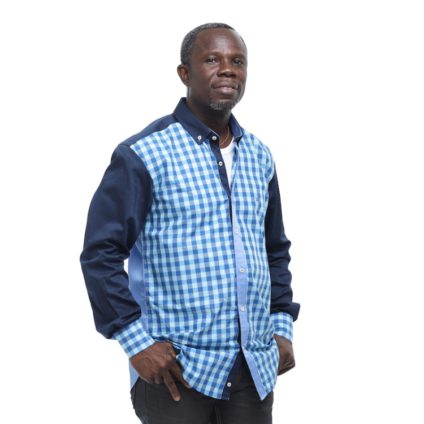
The newly appointed Chief Executive Officer, Emmanuel Treku of the Chamber for Tourism Industry Ghana has pledged his commitment to promote business tourism in Ghana as a set of recommendations for safely re-opening customer facing tourism businesses in the age of COVID-19.
Mr. Treku looks on to work with Diplomatic missions, global destination management organizations and MICE leaders as a mantra of the Chamber for Tourism Industry Ghana.
Latest Stories
-
Church of Pentecost supports over 2,000 BECE candidates in Obuasi with career guidance seminar
9 minutes -
Brandon Asante and Coventry all but promoted to Premier League despite Sheffield Wednesday draw
31 minutes -
GPL 2025/26: Late Kwartemaa strike downs Hearts in Tema
37 minutes -
Ghana Faces Sierra Leone Moment as Prosecutorial Powers come under strain
47 minutes -
Don’t consume fish or seafood from Tema Shipyard until further notice – FDA warns
52 minutes -
Why volunteering might be Africa’s most underrated career accelerator
58 minutes -
ActionAid Ghana raises concern over gender gaps in Feed Ghana Programme
1 hour -
Windstorm wreaks havoc in Gushegu, displacing nearly 2,000 residents and damaging schools
1 hour -
Friends of Bridget Bonnie Marks her 35th birthday with donation to Kasseh Model Health Centre
2 hours -
From Ekumfi Kokodo to the Pulpit Stage: Essi Donkor’s gospel journey takes shape
2 hours -
Landfilling waste management creates no value, it’s an economic waste
2 hours -
Photos: Speaker Bagbin Commissions MPs constituency office under parliamentary decentralisation programme
3 hours -
Black Stars technical advisor Winfried Schäfer sacked as GFA shakes up backroom staff
3 hours -
Wenchi water project almost complete, critical to gov’t agenda – GWL MD
3 hours -
Anti-LGBTQ+ bill not part of government’s legislative agenda – Inusah Fuseini
3 hours