


Audio By Carbonatix
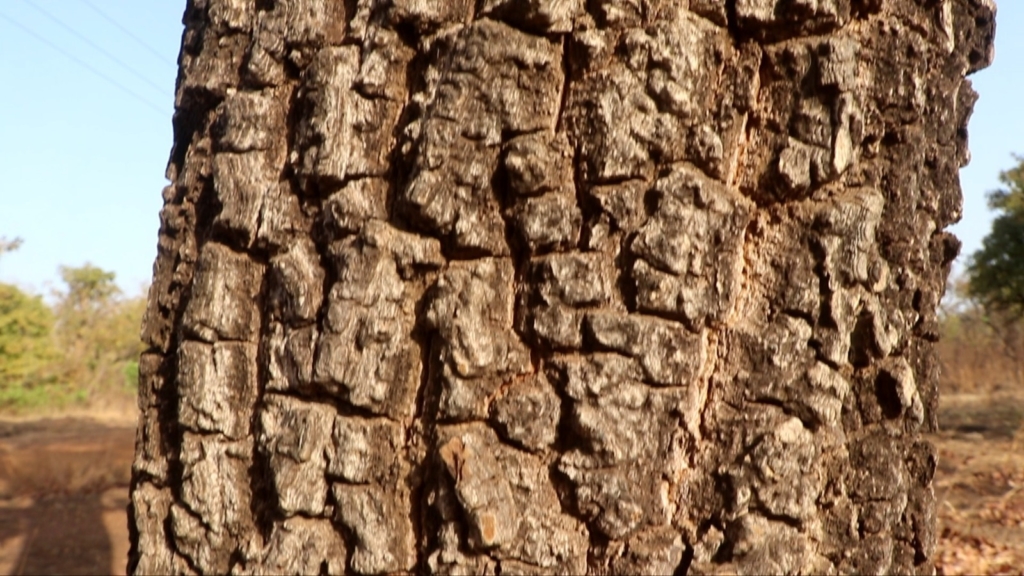
Illegal logging of shea and other indigenous economic trees is accelerating deforestation in Ghana’s Upper West Region, threatening livelihoods and undermining climate resilience in the northern ecological zone.
Often described as the “northern cocoa,” the shea tree is a wild-growing species that underpins rural economies across northern Ghana.
Beyond its well-known cosmetic and medicinal uses, shea provides critical income for women engaged in shea nut collection and butter processing.
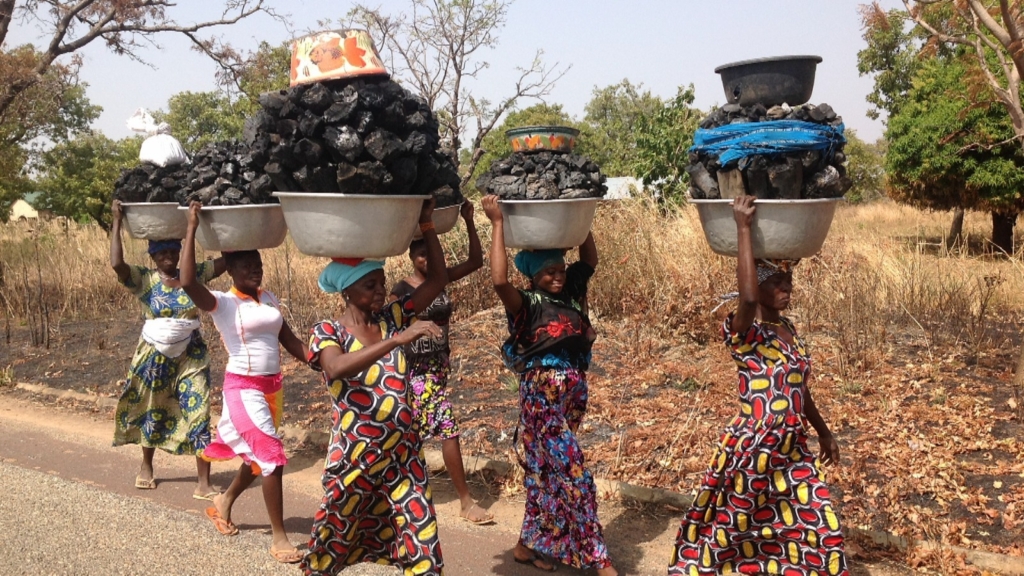
However, mounting evidence from communities and environmental actors suggests that the species is under severe pressure from unsustainable logging, charcoal production, bushfires and land use change.
Across the Upper West Region, shrinking shea parklands are now a visible marker of ecological stress. According to development practitioners, the depletion of shea trees is directly affecting household incomes and local enterprises.
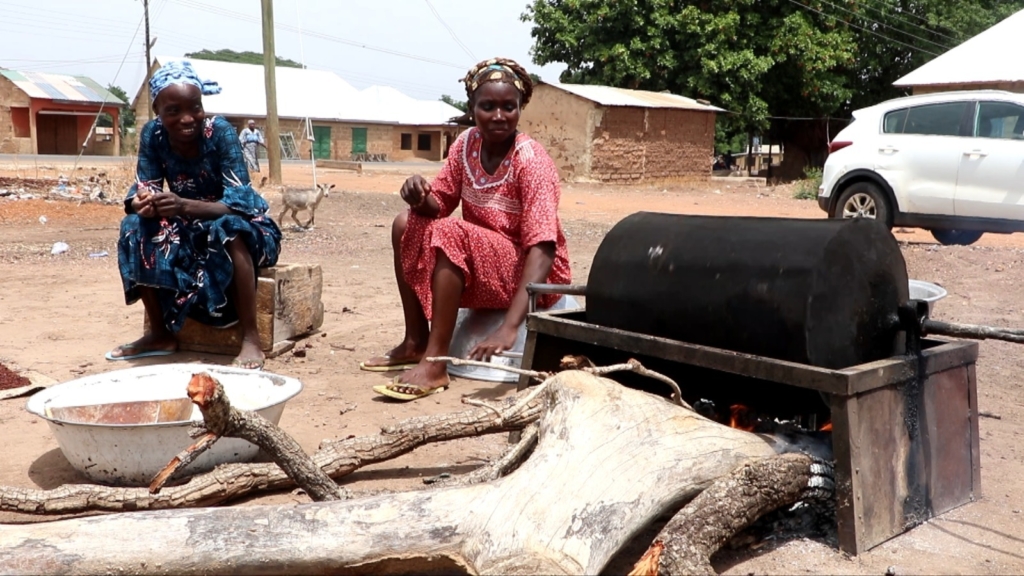
The shea industry supports an estimated 16 million women across 21 African countries and contributes approximately $100 million annually to Ghana’s economy, within a global market valued at over $2.75 billion.
Valentine Danuor, Head of Research and Learning at the NGO Pronet North, notes a steady decline in shea-related businesses in recent years. He links job losses and reduced incomes to the destruction of shea trees in the wild.
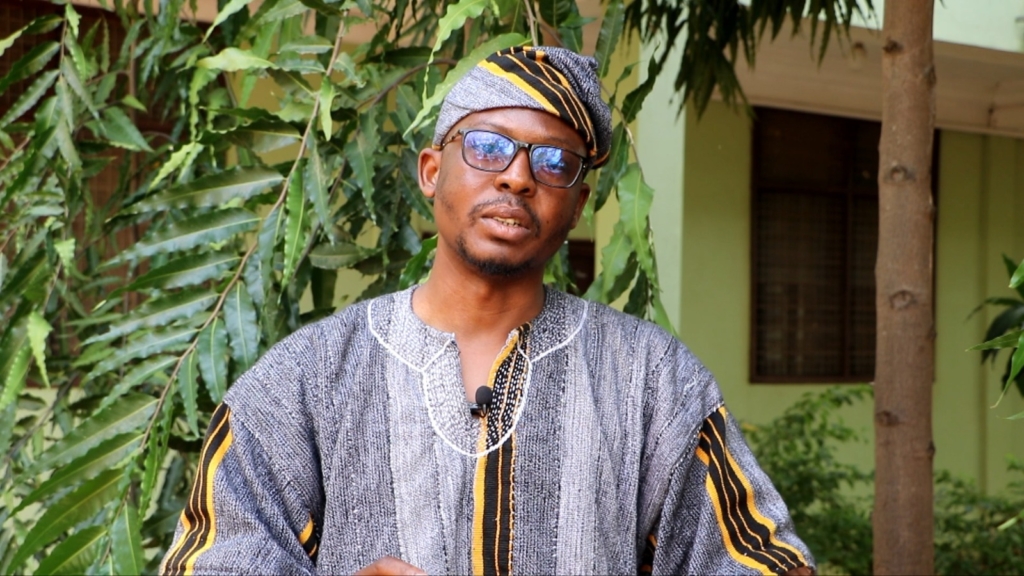
“We did it for rosewood—why can’t we do it for the shea tree?” he asked, urging government to enact and enforce legislation to regulate the cutting and transportation of shea, similar to measures introduced to protect threatened timber species.
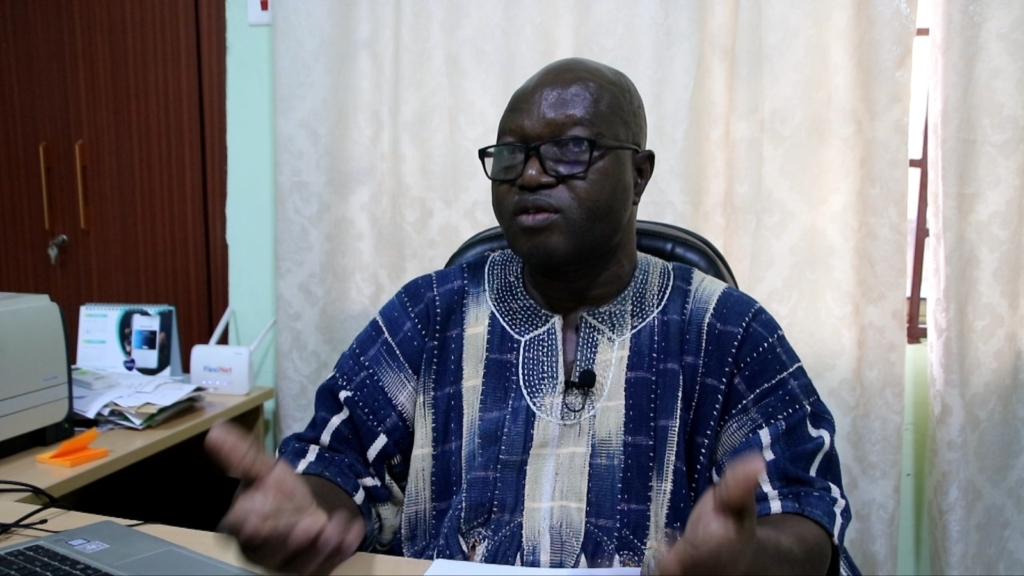
The Acting Upper West Regional Director of the Environmental Protection Agency, Jonathan Kpierakoh, has also expressed concern over the widespread felling of shea and other economic trees.
Environmental observers warn that beyond income losses, the removal of vegetative cover is exacerbating local climate impacts, including rising temperatures, stronger winds and dust storms.
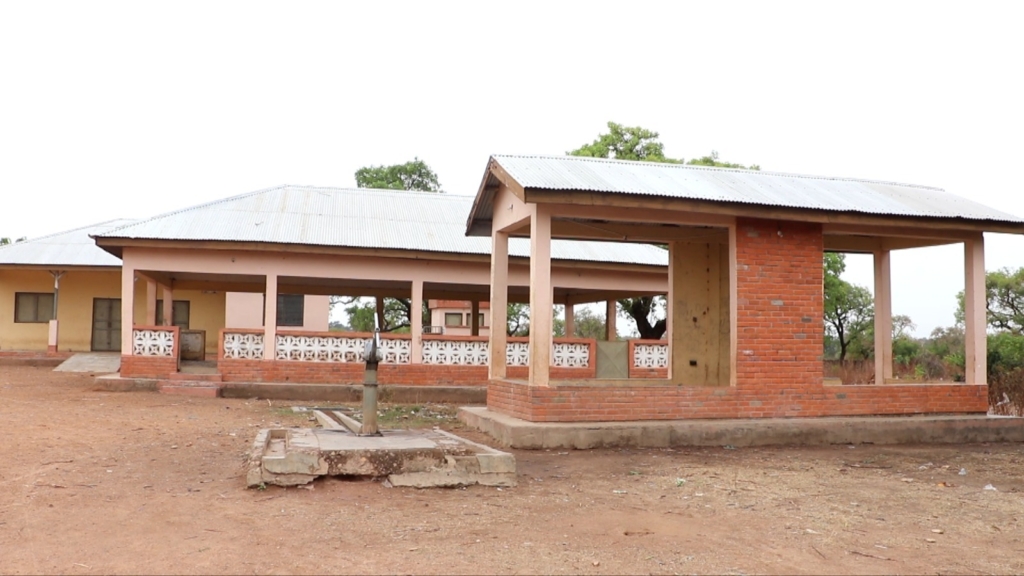
At Kperisi, a multipurpose facility once bustling with activity by the Sungbawiera Shea Butter Processors now stands as a symbol of decline. Where women previously filled the space processing nuts in large quantities, operations have slowed due to reduced availability of raw materials.
Ayishetu Abdalla, a 35-year-old mother of five who has worked in the shea sector for over a decade, says yields have dropped drastically.
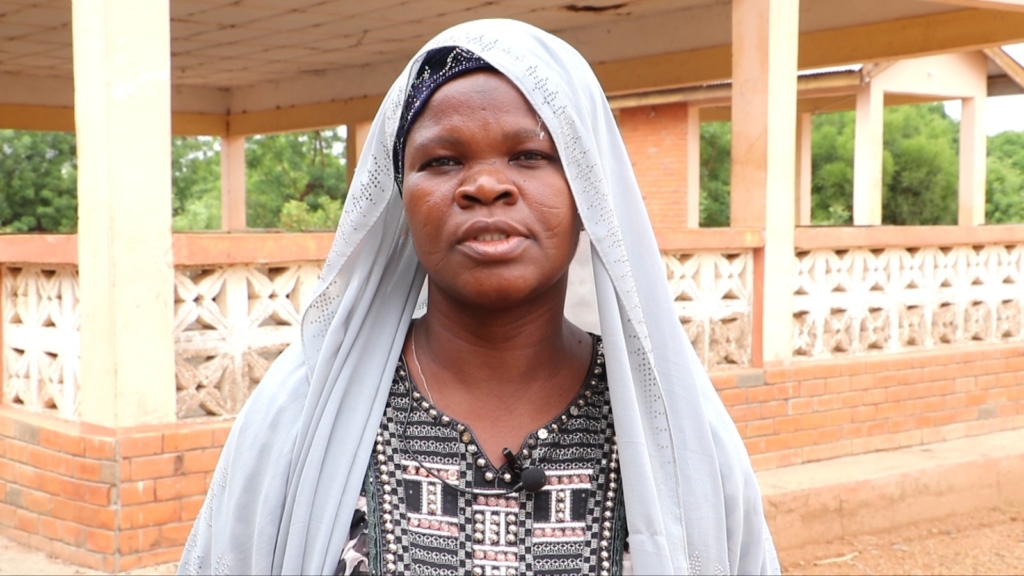
“We used to gather three or four bags of shea nuts. Now it is one or two a year,” she explained, attributing the decline to illegal tree cutting and burning.
The reduced harvest means longer distances travelled in search of nuts and declining income to support her household.
Sulley Musah, Chairman of the Sungbawiera Shea Butter Processors, emphasized that the shea tree serves not only as an economic asset but also as a natural buffer against climate extremes.
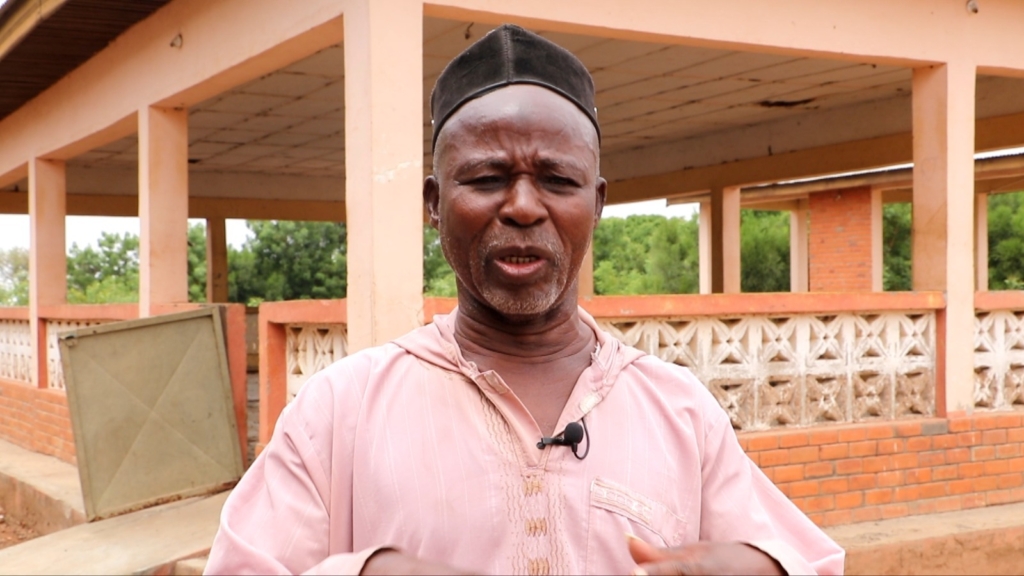
“The weather is unusually hot these days. Even when the wind blows, it comes with dust. If the trees were there, they would protect us,” he said, highlighting the role of tree cover in moderating microclimates and supporting agriculture.
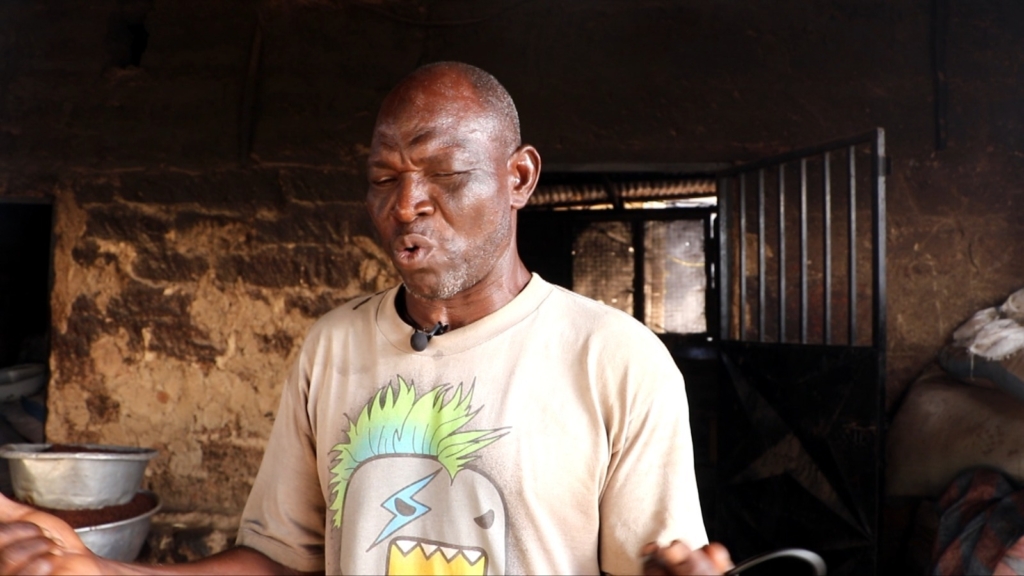
In Kpaguri, another shea production hub near Wa, traditional processors continue manual production under difficult conditions.
Seidu Abdulai Famena, who inherited his shea mill from his father, described the cutting of shea trees as an attack on community survival.
“For generations, shea butter production has been the preserve of our mothers. Anyone who cuts down a shea tree is taking away livelihoods,” he stated.
Environmental advocates argue that without urgent legislative action, enhanced enforcement, and community-led conservation measures, the shea tree could face local extinction in parts of northern Ghana.
The loss would not only disrupt a multi-million-dollar industry but also weaken climate adaptation efforts in an already vulnerable ecological zone.
As Ghana pursues climate mitigation and sustainable land management strategies, the protection of shea parklands may prove pivotal, not only for biodiversity conservation but also for safeguarding women’s economic empowerment and rural resilience in the north.
This story is brought to you by JoyNews in partnership with the Climate and Development Knowledge Network (CDKN) and the University of Ghana Centre for Climate Change and Sustainability Studies, Legon, with funding from CLARE R4I Opportunities Fund.
Latest Stories
-
President Mahama is not sincere with Ghanaians on LGBTQ bill matter – Hassan Tampuli
8 minutes -
Gov’t to establish Prison Industrial Hub to equip inmates with income-generating skills – Prison Service boss
27 minutes -
Alhassan Tampuli donates cement, roofing sheets to support storm victims in Gushegu
28 minutes -
Alhassan Tampuli appeals for urgent support for storm victims in Gushegu
30 minutes -
The hypocrisy must stop; pass Anti-LGBTQ+ Bill now – Alhassan Tampuli to Mahama
34 minutes -
Imprisonment should be rehabilitative, not punitive – Ghana Prisons boss at UNGA
56 minutes -
Ga Adangbe traditional priests petition Mahama over McDan aviation licence revocation
1 hour -
Anti-LGBTQ Bill: NDC’s arrogance is worrying – Hassan Tampuli
1 hour -
Let’s give OSP time to mature, not to scrap it – Hassan Tampuli
1 hour -
Nigeria convicts 386 Islamist militants in mass trials
1 hour -
Djibouti president wins election with 97.8% of vote, state media says
2 hours -
We don’t have mandate to deduct tax from rent allowance of security services personnel – Interior Ministry clarifies
2 hours -
Ablakwa receives Presidential Special Envoy on Reparations to advance global agenda
2 hours -
Christina Koch becomes first woman to travel around the moon on Artemis II
2 hours -
Epstein survivors’ calls to meet King Charles and Queen harder to ignore as US visit approaches
2 hours