

Audio By Carbonatix
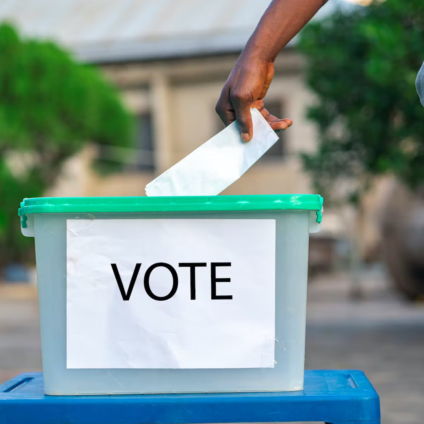
Ghana's election results, where the incumbent New Patriotic Party government has been voted out, mark a pivotal moment in the country’s political landscape. This outcome sends a strong message to all political parties and their leaders: the Ghanaian voter is wide awake. The electorates have demonstrated that their votes will no longer be dictated by political loyalties or rhetoric but by their lived realities, particularly the economic climate, government performance, and the behaviour of those in power.
The decision to vote out the current administration reflects widespread dissatisfaction with several recurring issues in Ghana's governance. Key among these are arrogance, corruption, and nepotism—practices like the distribution of government and ministerial positions to family and friends as though they were rewards for political support.
Additionally, the misuse of public funds on questionable projects, such as the controversial national cathedral, the unnecessary expansion of government size, the excessive use of luxury vehicles by officials, and the culture of ex-gratia payments, has alienated voters. These actions are seen as blatant disregard for the economic struggles of ordinary Ghanaians.
A Wake-Up Call for Politicians
This election result should serve as a wake-up call to Ghanaian politicians across the spectrum. The people have shown they will no longer tolerate the entrenched political culture where leaders exploit their time in office to enrich themselves and their associates. The era where elections are treated as a revolving door between the two dominant parties, with politicians amassing wealth during their tenure and escaping accountability, must end.
Ghanaians have made it clear that they are now prepared to vote against incompetence, impunity, and misplaced priorities. Arrogance, corruption, and lack of vision will no longer guarantee a party’s hold on power.
Beyond Elections: Strengthening Accountability
While this election represents progress in holding governments to account through the ballot box, Ghana must now move towards institutionalising accountability both during and after a government’s term. Voting out underperforming governments is only one step; the real challenge lies in creating systems that ensure transparency, ethical leadership, and prudent management of resources.
Key reforms are necessary to address the root causes of poor governance. These include:
1. Strengthening Anti-Corruption Frameworks: Institutions like the Auditor-General’s Office and the Special Prosecutor’s Office must be empowered to investigate and prosecute corruption effectively, regardless of political affiliations.
2. Constitutional Reforms: The constitution must be amended to ensure government officials are held accountable for their actions while in office. This includes clear penalties for misuse of public funds, nepotism, and failure to deliver on campaign promises.
3. Public Participation in Governance: Citizens must remain actively engaged beyond elections, using tools such as petitions, protests, and the media to demand accountability.
4. Reduction of Wasteful Expenditure: The size of government must be reduced, and expenditures on non-essential projects and luxury perks for officials must be curtailed.
Conclusion
This result highlights a new phase in Ghana's democracy—one where voters prioritise their economic well-being and hold leaders accountable for their decisions. However, for this shift to translate into lasting change, Ghana must go beyond periodic elections and establish mechanisms to ensure continuous accountability. If this is achieved, the country can finally break free from the cycle of underperformance and wasted opportunities, paving the way for sustainable development and progress.
Latest Stories
-
Power restoration fault suspected in Kumasi Central Market fire
4 hours -
The 7-foot giant of Ngleshie Amanfro: Seven-foot Ghanaian Ephraim Saawa dreams of joining the national basketball team
4 hours -
Government promises support for Kumasi Central Market fire victims
5 hours -
Vibes The Movie: Big Ghun’s Ghanaian film earns five nominations at 2026 REFFA
5 hours -
MamaCare CEO warns unresolved conflicts among health workers could undermine maternal and neonatal care
5 hours -
Health professionals urged to translate medical knowledge into practice to save mothers
6 hours -
Conflicts among care providers linked to maternal, neonatal deaths – Expert
7 hours -
GIS marks 10th TIME conference, champions improved teaching practices
7 hours -
BRICS Or Balance? What Ghana’s bid really means
8 hours -
GPRTU wants full TRAFFITECH-GH implementation to start in 2027
8 hours -
Mahama announces plans to import electric wheelchairs for PWDs
8 hours -
KGL U17 Colts 2026: Western beat Prempeh Elite Academy to set up final final with Greater Accra Region
8 hours -
Late Solanke strike salvages 10-man Spurs draw at Man United
9 hours -
Gender Ministry to monitor welfare of Nana Akua Addo’s children amid domestic violence case
9 hours -
Benedict Okyere Yeboah: Ghana’s football problem goes beyond sacking a coach
9 hours