

Audio By Carbonatix
World Water Week falls on 25th – 29th of August 2024. Given the theme for the 2024 edition, “Bridging Borders: Water for a Peaceful and Sustainable Future”, we focus on cooking liquids and their roles in sustainability and nutrition security.
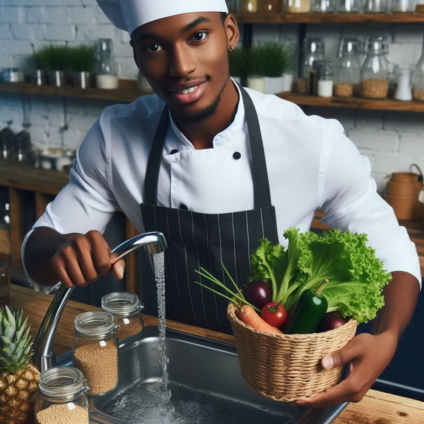
Cooking liquids refers to the water left behind after foods such as vegetables, grains, tubers, or meats/fish have been washed, boiled, steamed, or simmered. This liquid left behind contains nutrients that not only enhance taste but can also support sustainability and food and nutrition security efforts.
Nutritional value of cooking liquids
When foods are washed and/or cooked with water, they release nutrients into the water. For instance, steaming or boiling vegetables can create a nutrient-rich liquid of vitamins and minerals such, as vitamin C, potassium, and magnesium. Likewise, grains, like rice, wheat, corn/maize release starches into their washing and cooking liquids. Similarly, washing or cooking liquids from fish and meats contain iron, zinc, and vitamins that are essential for health. In areas where access to food is limited, maximising every resource is crucial. By incorporating cooking liquids into meal preparation, we can make hearty and nourishing meals to help tackle food and nutrition insecurity.
Sustainability and cooking liquids
Utilising cooking liquids presents an opportunity to minimise food wastage. These liquids full of nutrients can serve as a starting point for soups, stews or sauces. For instance, vegetable broth derived from boiling vegetables can act as the base for a soup while the starchy water from boiling macaroni/pasta can be used in thickening soups and sauces. By giving these liquids a purpose, we do not only combat food waste but also enrich the taste and nutritional content of our dishes.
Beyond minimizing food wastage, using cooking liquids in meal preparation also helps to save water and reduce energy consumption. Repurposing cooking liquids minimises the need for additional cooking, thereby conserving energy. Also watering plants at home with the water used to wash or steep vegetables, grains, beans etc is one way to recycle water, cutting down on the use of tap water. This approach supports sustainability efforts by easing the pressure on resources and minimising negative impacts on our environment.
Cooking liquids are more than just a by-product of meal preparation; they are a powerful tool for promoting sustainability and food and nutrition security. By making the most of these nutrient-rich liquids, we can reduce food waste, conserve water and energy and create nutritious meals that support both our health and the health of the planet. As we continue to face global challenges related to food security and environmental sustainability, it is essential that we explore and embrace practices like these in our homes for a more sustainable future.
How are cooking liquids utilized in your home or other context? Share with us via email on fullproofnutrition@gmail.com or via WhatsApp on +233(0)-530-542-013.
Written by Laurene Boateng (PhD, RD)
Laurene Boateng (PhD, RD) is a Registered Dietitian and Senior Lecturer in the Department of Dietetics, University of Ghana. She is the founder and editor-in-chief of www.fullproofnutrition.com , a website committed to providing reliable, evidence-based, and practical healthy eating advice.
Latest Stories
-
Church of Pentecost supports over 2,000 BECE candidates in Obuasi with career guidance seminar
35 minutes -
Brandon Asante and Coventry all but promoted to Premier League despite Sheffield Wednesday draw
56 minutes -
GPL 2025/26: Late Kwartemaa strike downs Hearts in Tema
1 hour -
Ghana Faces Sierra Leone Moment as Prosecutorial Powers come under strain
1 hour -
Don’t consume fish or seafood from Tema Shipyard until further notice – FDA warns
1 hour -
Why volunteering might be Africa’s most underrated career accelerator
1 hour -
ActionAid Ghana raises concern over gender gaps in Feed Ghana Programme
1 hour -
Windstorm wreaks havoc in Gushegu, displacing nearly 2,000 residents and damaging schools
1 hour -
Friends of Bridget Bonnie Marks her 35th birthday with donation to Kasseh Model Health Centre
2 hours -
From Ekumfi Kokodo to the Pulpit Stage: Essi Donkor’s gospel journey takes shape
2 hours -
Landfilling waste management creates no value, it’s an economic waste
3 hours -
Photos: Speaker Bagbin Commissions MPs constituency office under parliamentary decentralisation programme
3 hours -
Black Stars technical advisor Winfried Schäfer sacked as GFA shakes up backroom staff
3 hours -
Wenchi water project almost complete, critical to gov’t agenda – GWL MD
3 hours -
Anti-LGBTQ+ bill not part of government’s legislative agenda – Inusah Fuseini
3 hours