

Audio By Carbonatix
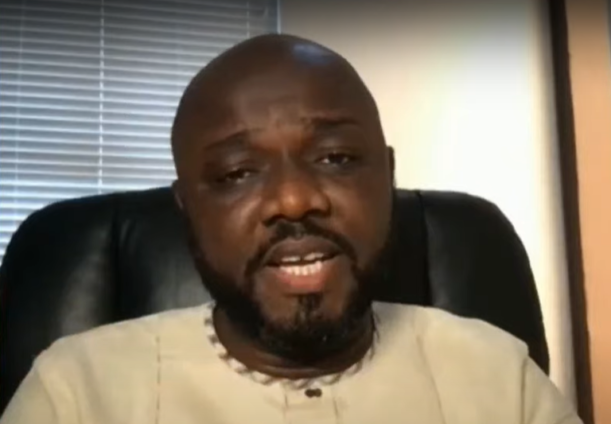
The Executive Director for the African Centre for Energy Policy (ACEP), Benjamin Boakye has advised the government to carry out an internal assessment of the Energy sector crisis so they can deal with it.
According to him, the government's continuous denial of the financial challenges in the power sector makes it impossible to address the situation.
Speaking on the Super Morning Show on Joy FM, he said “We need to define what the problem is and deal with it. We can’t keep referencing our situation today with the past 'dumsor' which everybody knows was a period in our history. What is the crisis today? The crisis we have today is finance which is impacting our economy in general and also the budget of the country,” he said.
He explained that although the government might argue that they have been able to keep the lights on without frequent load shedding, this action was at a higher cost to the economy.
“If you have to take $2 billion-plus from State resources only to keep the light on, it is a major crisis that we must address. ISSER estimated that 'dumsor' over its period cost Ghana about $2 billion and you have a power system today that is draining more than that every single year from our budget, which is a bigger crisis for us to deal with. So that we are not telling people that the light is on without telling them at what cost,” he said, adding that “when in fact it is about selling power, recovering the money and paying the value chain. Why are we failing to deliver this to the extent that we have to sacrifice that school, the hospitals, the roads, to be able to pay for electricity bills? That's what we are doing.”
To address the power sector crisis, he advised the government to comprehensively address the financial, managerial, and technical issues.
Read also: Electricity supply to be affected anytime soon – Energy Minister
Early on Monday, Minister for Energy, Dr. Mathew Opuku Prempeh raised concerns about the shortage of gas for productionan and its imminent impact on electricity supply.
According to him, the issue is a result of excessive dependence on gas plants, which differs from the past reliance on liquid fuel to support energy generation.
Read also: Ghana’s energy sector facing direr financial challenges than before – Ben Boakye
Dr. Prempeh explained that the country is currently grappling with a double predicament, where a complete shift towards a gas-based system has left the power infrastructure vulnerable, and that any interruption in the gas supply will lead to a shutdown of all power-generating systems, resulting in a complete blackout across the country.
Latest Stories
-
Ghana Water revenue mobilisation below 50% of potential – MD
5 minutes -
Ghana’s democracy must accommodate dissent and constructive criticism – Haruna Iddrisu
6 minutes -
Fact check: Trump posts fake quote of Denzel Washington supposedly praising him
7 minutes -
UPSA students lament high fees at private hostels, call for government intervention
17 minutes -
We will upgrade Ghana’s credit ratings if government maintains fiscal discipline, policy effectiveness – Moody’s
18 minutes -
Gender Ministry supports four siblings allegedly sexually abused by their father
22 minutes -
UMB MD wins ‘CEO of the Year’, banking category at 2026 Ghana Credit Excellence Awards
23 minutes -
Don’t throw away empty egg cartons — 6 smart ways to reuse them
27 minutes -
GoldBod poised to surpass 2025 forex performance – Sammy Gyamfi
27 minutes -
Old students of Peki SHS break ground to give 70-year-old school infrastructure a facelift
42 minutes -
Ablakwa facing ‘personal vendetta’ over refusal to grant Nana B service passport – Majority
42 minutes -
Every year, the lawyers come out, and so does the nonsense! – Ace Ankomah writes
55 minutes -
Digital transformation without an ownership culture can digitise poor service
58 minutes -
Fishing communities demand revocation of offshore gold exploration licences over livelihood concerns
1 hour -
How Ghanaian tycoon Manoj Lakhiani built a water and plastics empire from a $25,000 loan
1 hour