

Audio By Carbonatix
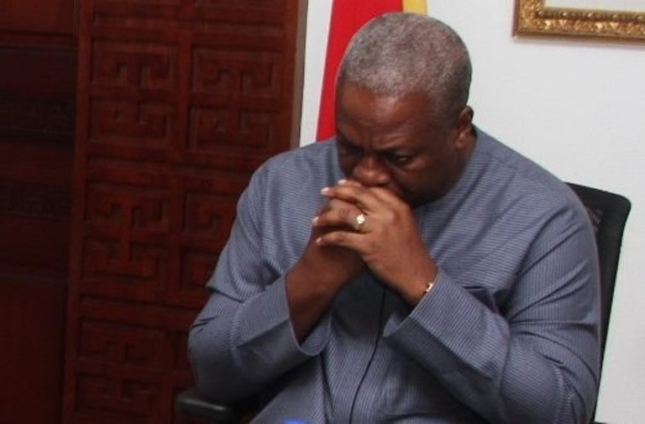
For President John Mahama, the recent wave of fire outbreaks might feel like déjà vu, reminiscent of events in 2013.
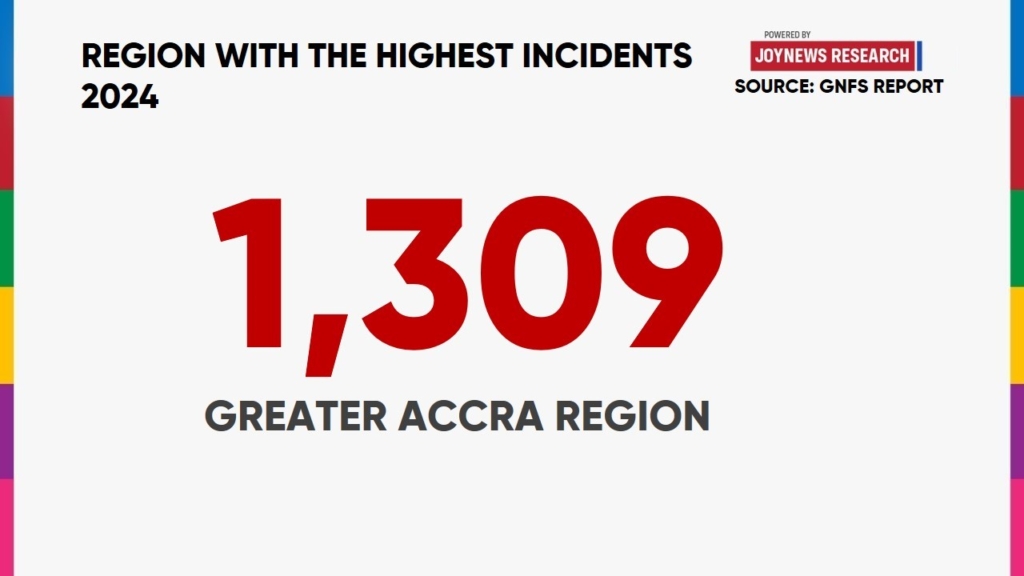
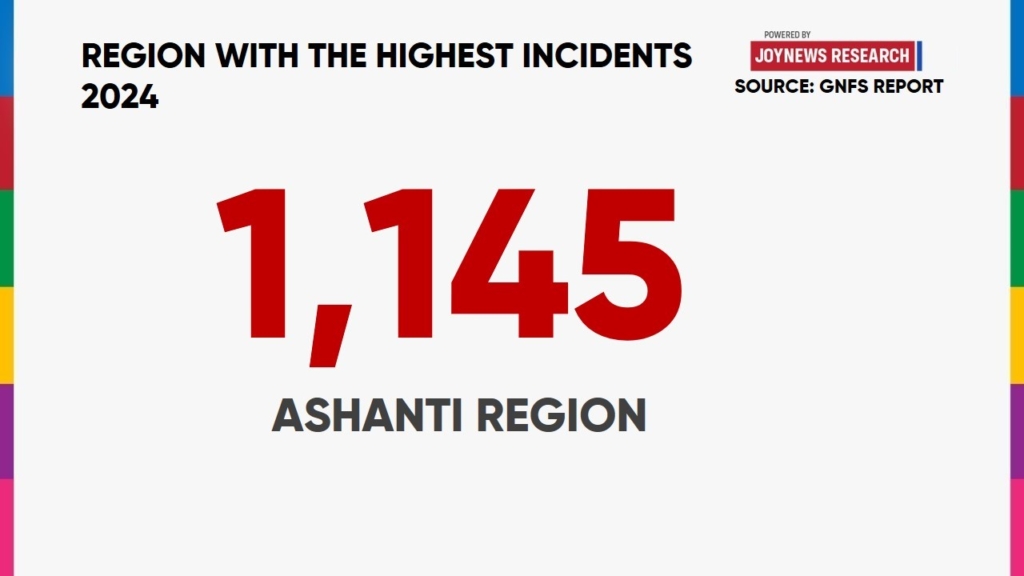
Just a week after he was sworn in that year, Ghana recorded 166 fire outbreaks within the first two weeks of January alone. The Ashanti and Greater Accra Regions accounted for over 60% of these incidents, with markets and commercial hubs being the hardest hit.
Faced with mounting concerns, Mahama’s administration invited forensic fire experts from the United States to investigate the root causes and propose solutions to Ghana’s recurring fire disasters.
However, more than a decade later, the country appears stuck in a cycle of devastating outbreaks, with the same underlying issues persisting—restricted access to fire scenes, non-functional hydrants, cooking at market centers, and electrical faults.
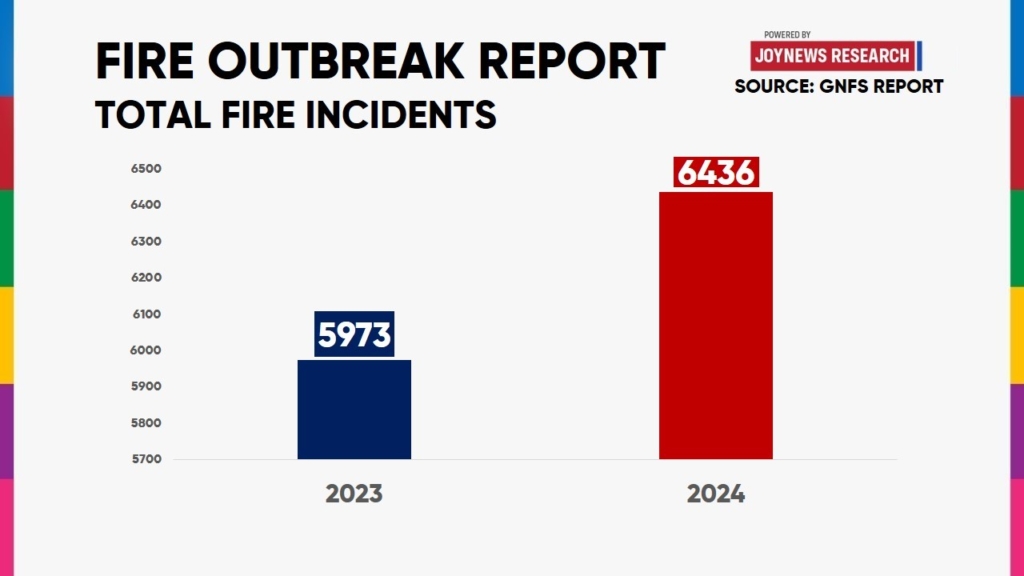
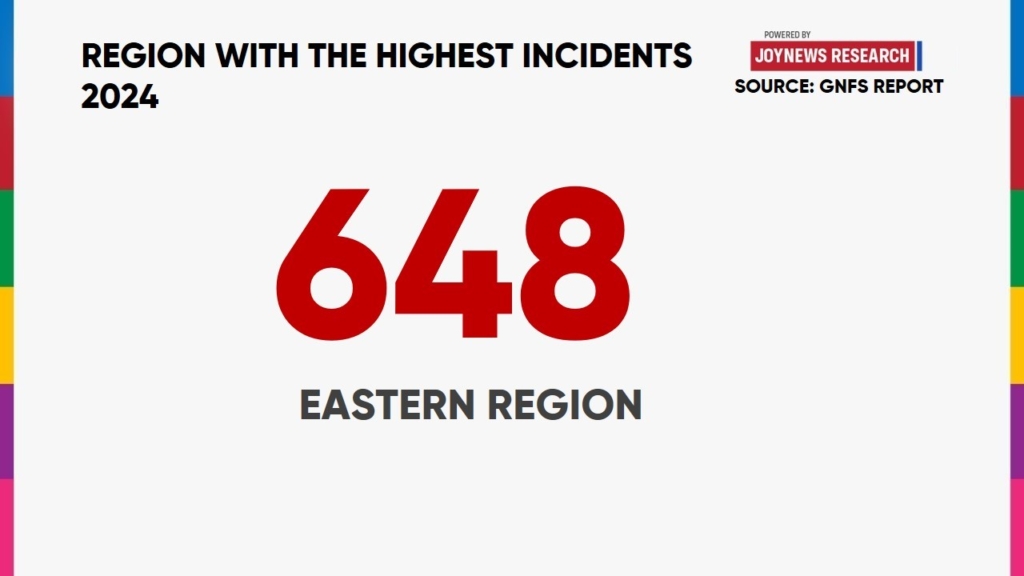
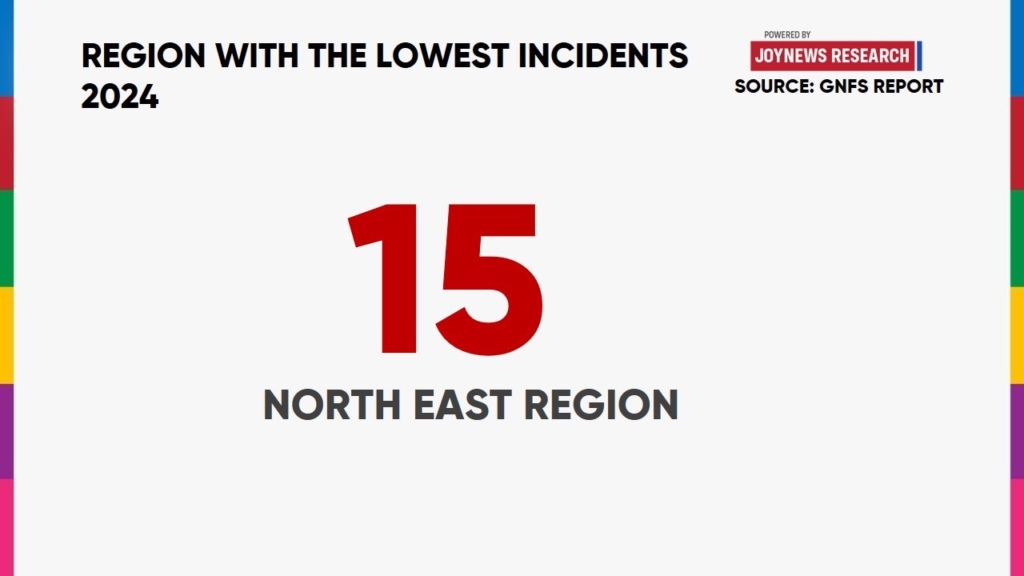
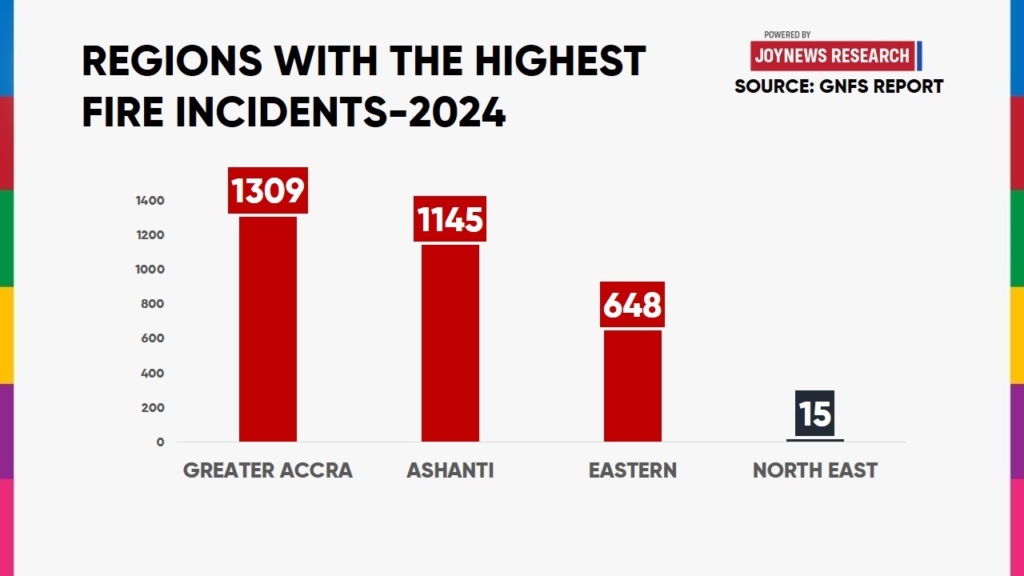
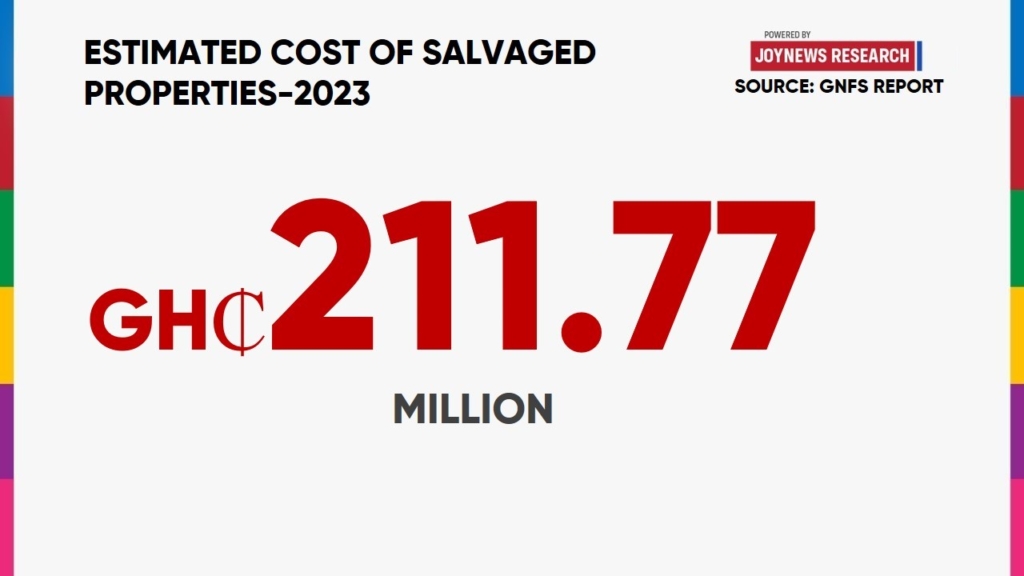
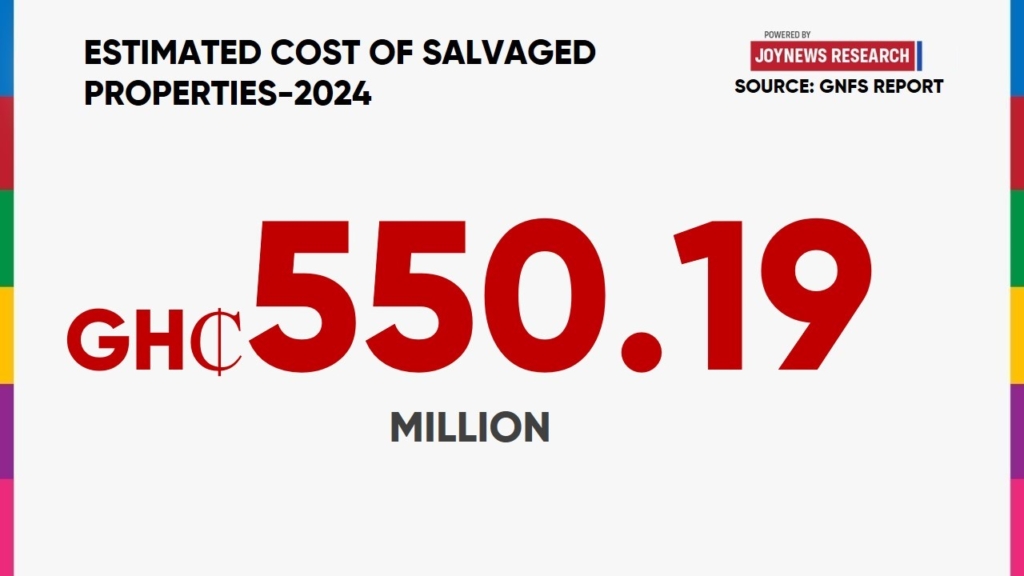
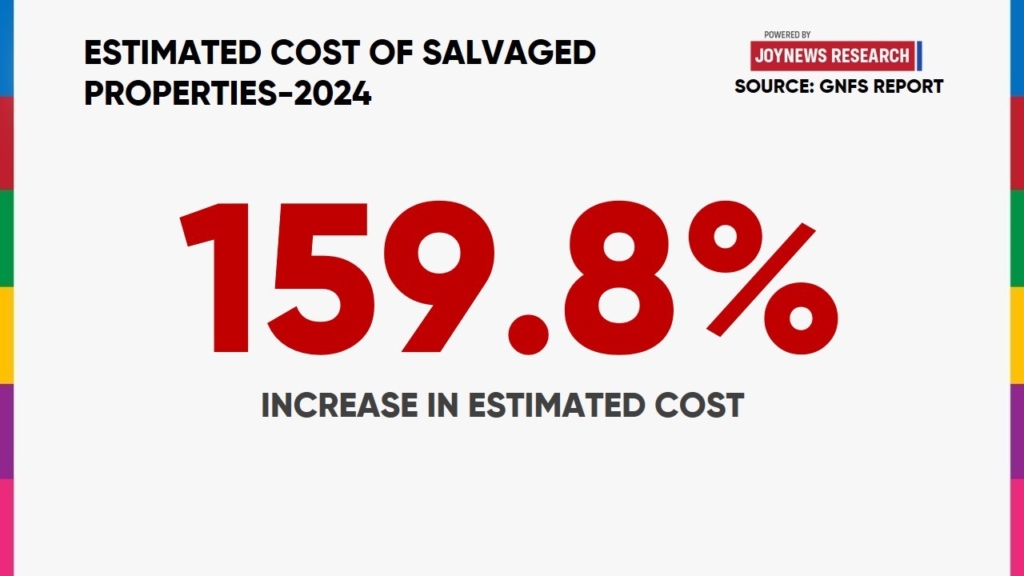
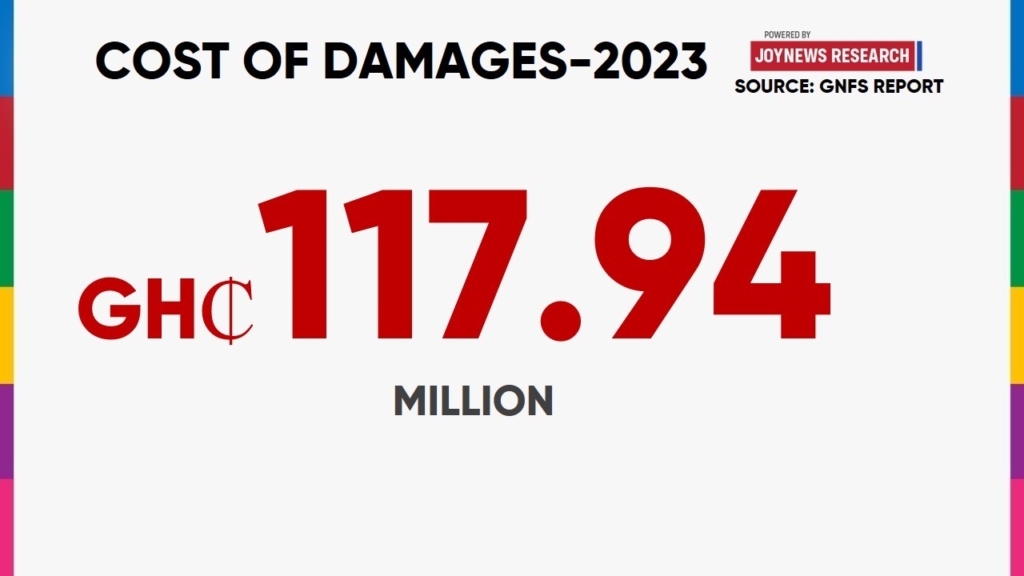
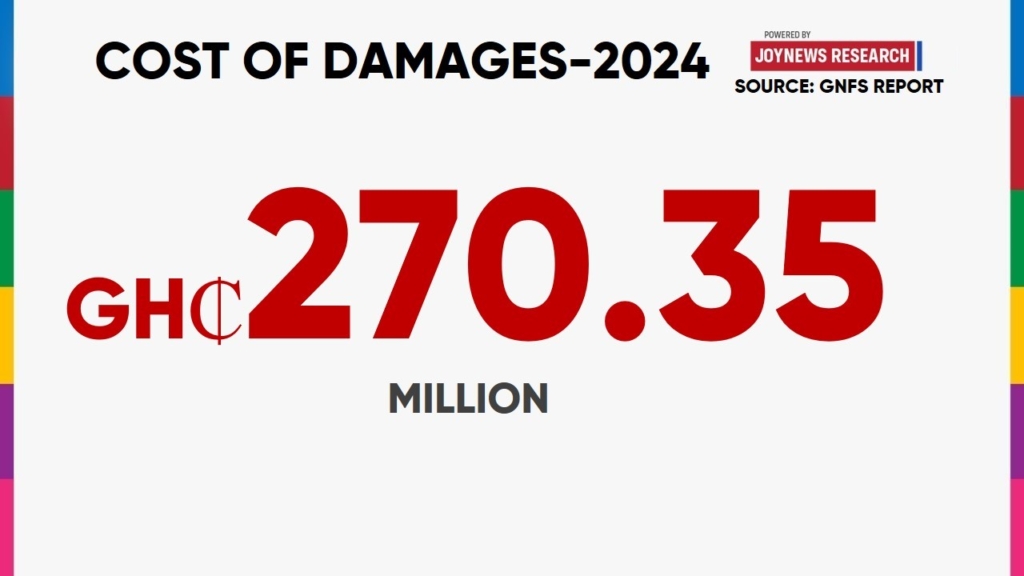
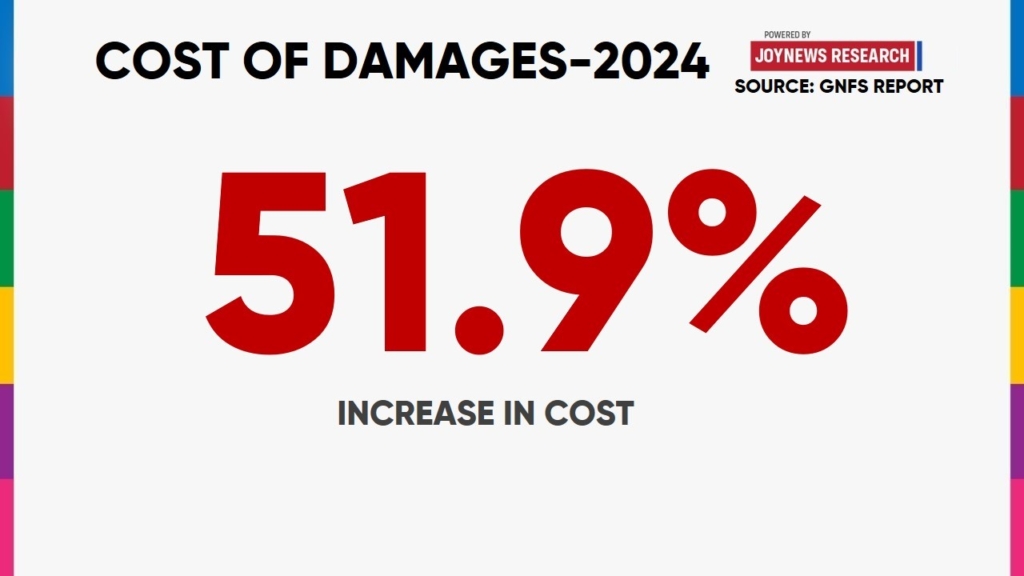
What has changed, however, is the scale of the problem. The number of reported fire outbreaks has surged 13-fold, from 478 in 2013 to over 6,000 in 2024. The cost of damages has also skyrocketed from approximately GHS 15 million to over GHS 270 million.
Yet, despite multiple investigations—both domestic and external—there is little evidence of lasting solutions.
Structural challenges remain unresolved. Over 50% of Ghana’s fire hydrants remain non-functional, while more than half of the country’s firefighting trucks are out of service.
These deficiencies make it even harder for firefighters to contain blazes before they escalate into full-scale disasters.
Now, less than three months into his second tenure, Mahama is once again confronting a surge in fire outbreaks. Two major fires have already destroyed properties, reigniting concerns about Ghana’s fire preparedness.
While Mahama’s 2024 manifesto includes a commitment to increase operational logistics, such as fire tenders, rescue equipment, protective gear, and hydraulic platforms for high-rise buildings, it is not part of his 120-day social contract.
For now, businesses and individuals continue to suffer immense losses, while the country awaits tangible results from years of investigations and policy promises.
Latest Stories
-
Hawa Koomson pledges experienced and mature leadership of NPP women’s wing
30 minutes -
Young woman found dead at Kasoa Peace Town
1 hour -
Playback: The Law examined lawful arrest in Ghana
1 hour -
Mahama urges African governments to treat healthcare as an investment, not budget cost
2 hours -
Bawumia congratulates John Boadu and new NPP executives, pledges support ahead of 2028
2 hours -
‘No talent should be left out’ – Bawumia pledges inclusive NPP campaign for 2028
2 hours -
Prof. Mike Oquaye recounts how he blocked the Special Prosecutor’s attempt to arrest Bawku Central MP
2 hours -
Make health sovereignty a priority for Africa – Mahama
3 hours -
Dorimon Naa, Wa West DCE lead massive clean-up exercise; threaten sanctions against recalcitrant residents
3 hours -
Photos from Adom FM Y2K Jam
3 hours -
Praye Tiatia steals the show at Adom FM Y2K Jam [Watch]
3 hours -
Boakye Agyarko congratulates John Boadu, pledges support for NPP leadership
3 hours -
Antwi HiMight thrills fans with Antwi ne Antwi hits at Adom FM’s Y2K Jam [Video]
4 hours -
Amb. Edward Boateng congratulates Boadu, Kodua on election wins
4 hours -
John Boadu pledges to rebuild NPP from grassroots and restore ‘winning machinery’
4 hours