

Audio By Carbonatix
Ghana has taken a monumental step towards building a more sustainable future by unveiling a comprehensive roadmap to decarbonise the building and construction sector.
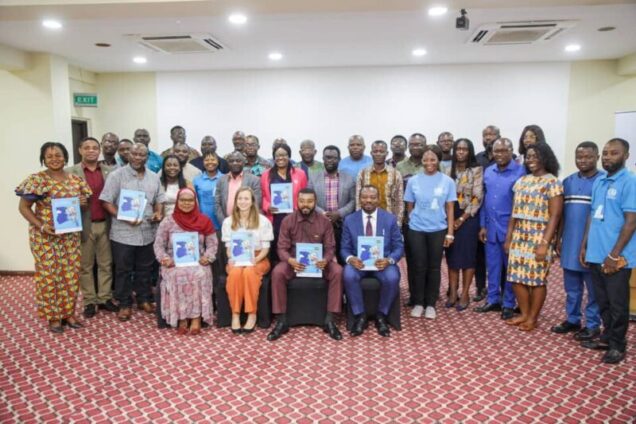
The roadmap, launched on October 24 at the AH Hotel in Accra, aims to significantly reduce carbon emissions across the entire construction value chain.

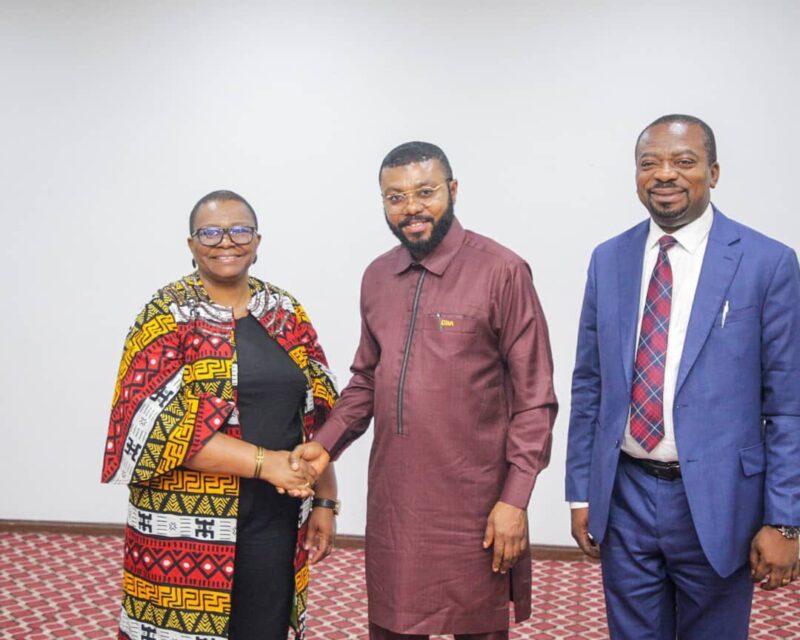
Speaking at the launch, the Deputy Minister of Housing, Dr. Prince Hamid Armah, emphasized the importance of this initiative, describing it as a “transformative” and “pivotal step” in the nation’s journey toward environmental sustainability.
“This moment marks a pivotal step in our collective effort to create a more sustainable, resilient, and environmentally responsible built environment in Ghana,” Dr. Armah declared.
In collaboration with UN-Habitat and UNOPs, the Government of Ghana has crafted this roadmap as part of broader efforts initiated in November 2023 under the “Transforming the Built Environment through Sustainable Materials” program.
The roadmap seeks to address the construction sector’s significant contribution to global climate change.
“The building sector is a major contributor to climate change. According to the United Nations Environment Programme, this sector accounts for over 37% of global energy-related carbon emissions,” Dr Armah highlighted, emphasising the urgent need for action.
He further pointed out the staggering statistics linked to the industry’s environmental impact, including its consumption of 40% of global energy and 30% of raw material extraction.
Key strategies outlined in the roadmap include the promotion of energy-efficient systems, green building materials, water conservation, and the adoption of innovative technologies.
“This roadmap is not just a document; it is a blueprint for meaningful change,” Dr. Armah stated.
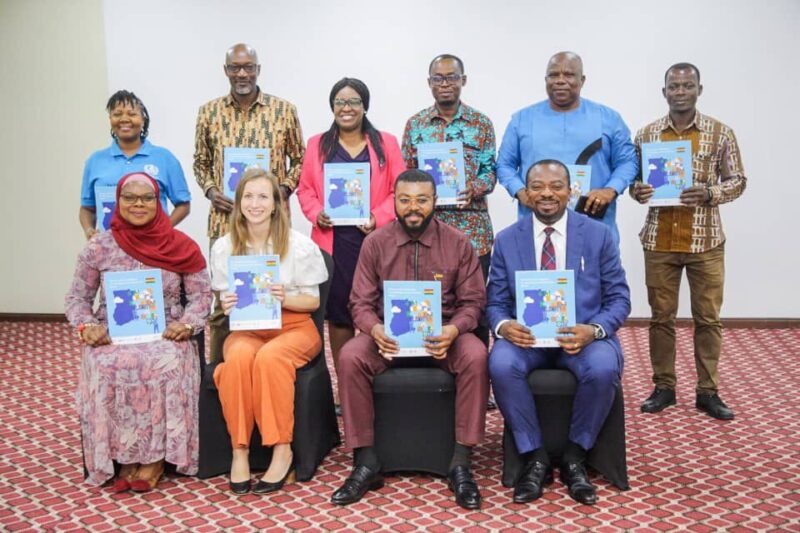
He also stressed that collaboration from all stakeholders is crucial to the success of the roadmap.
As Ghana continues to experience rapid urbanisation, with an urban population of 58%, the demand for sustainable construction practices has become more urgent.
Dr. Armah urged stakeholders—government entities, the private sector, financial institutions, and civil society—to work together to ensure that Ghana’s built environment reflects its values, culture, and commitment to sustainability.
In conclusion, the Deputy Minister launched the roadmap with a hopeful message: “Let it inspire action, encourage partnerships, and drive the innovation needed to build a future we can all be proud of.”
Latest Stories
-
The 7-foot giant of Ngleshie Amanfro: Seven-foot Ghanaian Ephraim Saawa dreams of joining the national basketball team
18 minutes -
Government promises support for Kumasi Central Market fire victims
24 minutes -
Vibes The Movie: Big Ghun’s Ghanaian film earns five nominations at 2026 REFFA
55 minutes -
MamaCare CEO warns unresolved conflicts among health workers could undermine maternal and neonatal care
1 hour -
Health professionals urged to translate medical knowledge into practice to save mothers
1 hour -
Conflicts among care providers linked to maternal, neonatal deaths – Expert
3 hours -
GIS marks 10th TIME conference, champions improved teaching practices
3 hours -
BRICS Or Balance? What Ghana’s bid really means
4 hours -
GPRTU wants full TRAFFITECH-GH implementation to start in 2027
4 hours -
Mahama announces plans to import electric wheelchairs for PWDs
4 hours -
KGL U17 Colts 2026: Western beat Prempeh Elite Academy to set up final final with Greater Accra Region
4 hours -
Late Solanke strike salvages 10-man Spurs draw at Man United
4 hours -
Gender Ministry to monitor welfare of Nana Akua Addo’s children amid domestic violence case
5 hours -
Benedict Okyere Yeboah: Ghana’s football problem goes beyond sacking a coach
5 hours -
GPL 2026/27: Darkwah Wiafe’s winner sees All Blacks beat Kotoko
5 hours