

Audio By Carbonatix
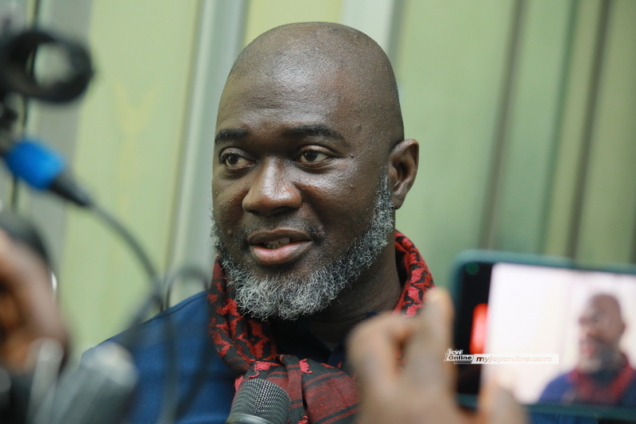
The Executive Secretary of the Chamber of Petroleum Consumers (COPEC), Duncan Amoah, has cautioned political actors against using veiled threats in Ghana’s political discourse, warning that such rhetoric could undermine democratic accountability.
He said suggestions that political opponents would face retaliation when there is a change in government could discourage legitimate investigations and create a culture where public officials fear accountability.
The comments follow the New Patriotic Party’s “Democracy Under Attack” demonstration on August 6, 2026, during which the party raised concerns about alleged political persecution and threats to democratic governance.
Duncan Amoah, however, disagreed with the suggestion that Ghana’s democracy was currently under attack, arguing that citizens and political parties continued to have the space to express their views and challenge government decisions.
“My personal view is no,” he said when asked whether democracy was under attack in Ghana.
He however, expressed concern about what he described as an increasing use of subtle threats in political conversations, particularly statements suggesting that those currently in power could face reprisals when the political tide changes.
“What is concerning is the growing tendency for subtle threats to enter our political discourse. You see a threat from the opposition that says the tables will turn and we will do things to you. You hear functionaries sometimes issue those threats,” he said.
He said such comments could create the impression that investigations into alleged wrongdoing should be halted because those being scrutinised could eventually return to power.
“What you are indirectly saying is that even if we did wrong, or adverse findings are made against us, do not go after us because someday you may not be in power,” he stated.
Speaking on Citi FM on Saturday, August 8, Mr Amoah said political interests should not be allowed to take precedence over accountability, stressing that the consequences would ultimately be borne by the wider population.
“If we allow this country to be governed that way, it is not the NPP or NDC that suffers; it is the people,” he said.
Latest Stories
-
Ghana explores centre of excellence for hearing, communication and cochlear implant care
1 hour -
Schizophrenia-related disorders lead mental health cases recorded in Ghana
1 hour -
Dutch authorities enlist Ghana in hunt for fugitive drug lord Bolle Jos
2 hours -
Ghana housing finance conference adopts communiqué to improve affordable housing access
6 hours -
Special Initiatives Minister urges Wa Technical Institute to enrol more girls as EU-backed solar training lab opens
7 hours -
In the matter of my first year at the Bar
7 hours -
ActionAid Ghana calls for an end to child marriage, greater investment in girls’ rights
7 hours -
Newsfile to tackle World Cup visa scandal, beach demolitions, education strikes, BRICS bid
7 hours -
UK-Ghana Trade & Investment Summit: Trade Resource Centre to help businesses maximise UK-Ghana trade opportunities
8 hours -
Embassy of Denmark celebrates World Maritime Day
8 hours -
Linking LEAP to productive inclusion could cut extreme poverty by 2030 – UNICEF
9 hours -
Trade Ministry backs use of creative arts to rehabilitate prison inmates
9 hours -
Negotiations with government to continue despite strike suspension – GNAT
9 hours -
‘Ghana cannot afford to waste public resources; every cedi has a job’ – Ato Forson
9 hours -
Ghana expects economic boost as World Assemblies of God Congress brings 10,000 delegates to Accra
9 hours