


Audio By Carbonatix
The Economic Community of West African States (ECOWAS) Resident Representative to Ghana, Ambassador Mohammed Lawan Gana, has called on member states to equip border personnel with proficiency in the region's three official languages—English, French, and Portuguese to address challenges posed by language barriers at border crossings.
He explained how language differences at borders have led to miscommunication, delays and operational inefficiencies because many frontline officers struggled to effectively communicate with travellers and traders from neighbouring countries.
As such, he pointed out that promoting multilingual proficiency among border staff would foster enhanced communication, collaboration and social integration for seamless interaction among member states.
“The ability of border personnel to speak at least English, French and Portuguese will not only improve operational effectiveness but also build mutual trust and understanding among ECOWAS citizens,” he emphasised.
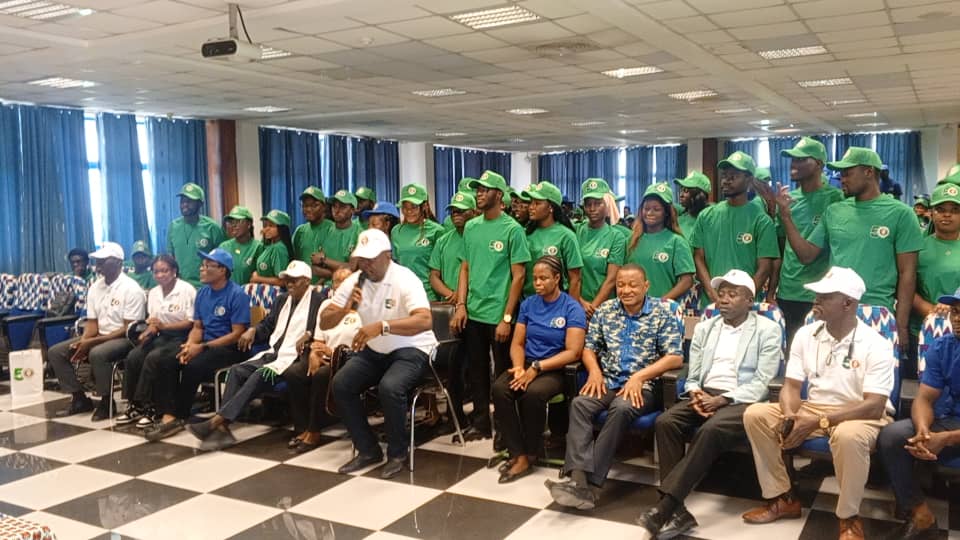
Ambassador Gana suggested during an engagement with students at the University of Cape Coast’s School of Economics on Tuesday.
The discussion was part of activities commemorating ECOWAS’s 50th anniversary, aimed at engaging West African youth on the impact and prospects of the regional bloc.
The theme for the year-long activities, "Stronger together for a brighter future," underscores the organisation's dedication to unity, regional integration, and a shared vision for a prosperous West Africa.
Ambassador Gana also hinted at the intention to establish ECOWAS Desks at various border points to optimise the execution of its economic integration policies within the sub-region.
The ECOWAS Desks would strengthen the operational capacity to actualise economic integration, ensure smooth application of trade facilitation protocols and act as on-the-spot coordination centres to overcome integration challenges.
Significantly, it would enhance coordination, regulatory cooperation and enforcement at borders, thereby minimising delays and inconsistencies associated with non-trade measures.
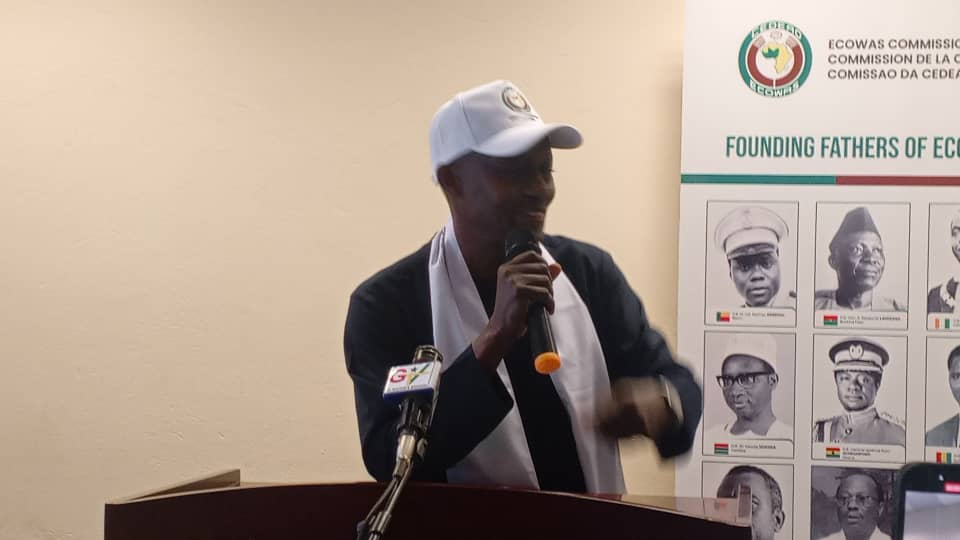
According to Ambassador Gana, the move was because of persistent border challenges, including fragmented border management, non-tariff barriers and divergent national policies that had historically obstructed seamless trade and movement across borders.
He said a recent visit by ECOWAS to several border points unveiled administrative bottlenecks and abuses of the privileges afforded by the protocol, particularly regarding the free movement of individuals.
Addressing other pertinent issues, Ambassador Gana reaffirmed ECOWAS's commitment to the comprehensive implementation of the Eco, the much-anticipated regional single currency, despite ongoing challenges with convergence criteria among member states.
He acknowledged that while economic divergence and external shocks continued to impede a seamless transition to a single currency, ECOWAS’ commitment to the Eco's full implementation remained resolute.
He stated that the bloc had intensified coordination, policy harmonisation, and reforms in a collective effort to surmount hurdles and realise the vision of a unified West African monetary identity.
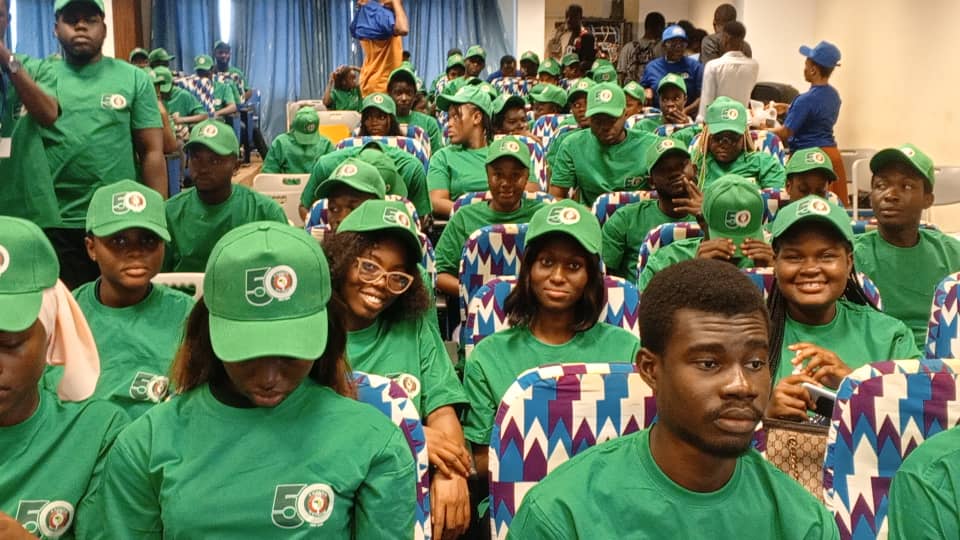
Concerning separations within the bloc, he explained that ECOWAS was leveraging diplomatic relationships and dialogue through President John Dramani Mahama and the Presidents of Niger, Mali, and Burkina Faso.
He further stated that ECOWAS had adopted a multifaceted approach involving mediation, transitional arrangements preserving citizens' rights, future-oriented political and economic planning and diplomatic dialogue to reintegrate Niger, Mali and Burkina Faso and mend the fragmentation within the bloc.
Touching on the youth, Ambassador Gana explained that ECOWAS was shifting from a union of states to a people-centric community, aiming for full integration by 2050 to improve citizens' lives, especially the youth.
He said since the youth were key in demographics, ECOWAS had launched initiatives like scholarships, skills training and youth policy platforms to enhance education, employment and participation in governance.
Dean of the School of Economics at UCC, Prof James Atta Peprah, on behalf of Vice Chancellor Prof Johnson Nyarko Boampong, commended ECOWAS for its unwavering commitment to advancing peacekeeping, security, and economic development across member states.
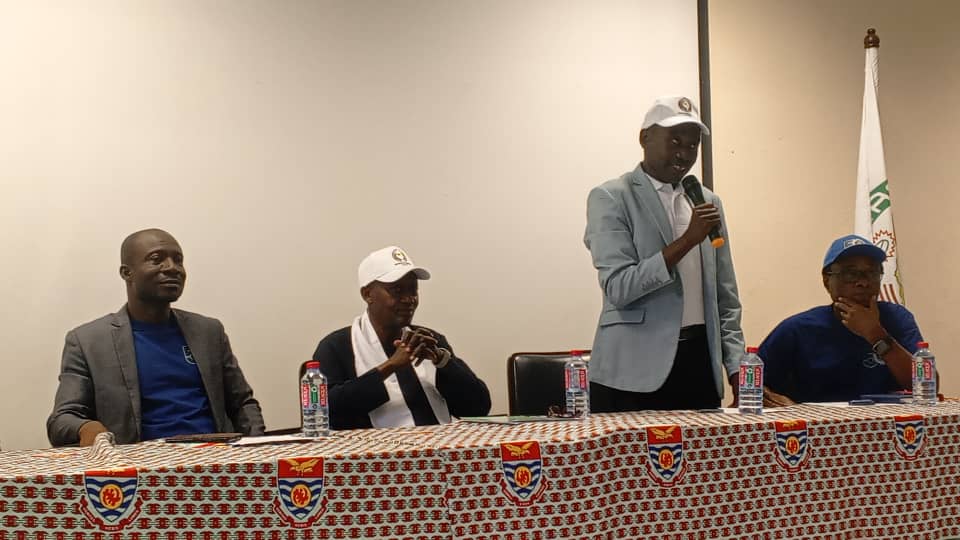
Highlighting ECOWAS’ recognition of the premier university in Ghana, Prof Peprah emphasised the importance of collaborative efforts between ECOWAS and academic institutions to drive innovation, bolster youth development, and promote sustainable economic growth in the region.
During an open forum, many students expressed their appreciation for ECOWAS, underscoring that significant political, security and integration challenges must be urgently addressed.
They emphasised the necessity for ECOWAS to transform celebratory milestones into actionable solutions to cultivate a prosperous, peaceful, and united West Africa for generations to come.
Latest Stories
-
Ghana’s economy grows by 7.4% in July 2026
7 minutes -
NDC member challenges Dennis Yeboah Twumasi’s eligibility for Bono Regional Secretary elections
17 minutes -
Popular Nigerian gospel singer Toluwanisings dies
28 minutes -
Spio-Garbrah proposes debt swaps to fund reparative justice in Africa and Caribbean
35 minutes -
Alban Bagbin calls for governance reforms and coordinated action to address Africa’s debt crisis
38 minutes -
AAK Academy Ghana trains 22 chocolate and confectionery companies in production techniques
39 minutes -
Adwumawura Programme trains second cohort of young entrepreneurs in Bono East
41 minutes -
Destroying Jimi River for gold could cost us our lives – Asantehene
48 minutes -
Sammy Gyamfi didn’t say BoG has ceded its forex role to us – GoldBod
2 hours -
High Court sets November 4 for ruling on Wontumi’s bail application
2 hours -
Tetteh Kwetey files nomination for NDC Greater Accra Regional Chairmanship
2 hours -
Korle Bu appeals for more doctors, nurses as A&E Centre struggles under pressure
2 hours -
AFCON 2027Q: ‘I’m optimistic Black Stars can turn things around’ – Agyemang-Badu
2 hours -
Digital innovation could widen Africa’s inequalities if people are left out – Sam Jonah
2 hours -
Galamsey is an economic, health and moral problem – Sam Jonah
2 hours