

Audio By Carbonatix
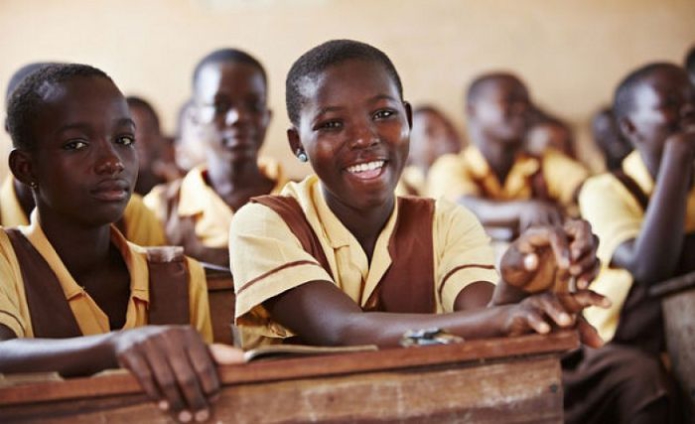
In commemoration of The International Day of the Girl Child, the Mastercard Foundation and MEST Africa hosted 3 female experts on the monthly radio show, EdTech Monday, to discuss “Advancing Girls’ Education Through Digital Learning”.
The three experts, Gifty Ghansah, Head Teacher of the African Science Academy; Ms Muniratu Issifu, Programmes Director of CAMFED Ghana; and Linda Ansong, Cofounder of STEMbees brought to the fore key issues and opportunities that must be considered by all stakeholders when seeking to promote girl’s education with digital tools.
Alarming statistics reveal that in Sub-Saharan Africa, over 52 million girls of school-going age are out of school. This state of affairs was made worse by the COVID-19 pandemic which exacerbated educational inequalities, disproportionately affected girls and threatened the substantial gains made in girls’ education
Top 6 learning outcomes
“Ghana Statistical Service reveals that a quarter of million girls in Ghana are out of school. The majority of these girls are found in the three Northern Regions: Savannah, North East and the Northern Region.”- Ms Muniratu Issifu, Programmes Director of Camfed Ghana.
“According to the Ministry of Education, Only 25% of primary schools in Ghana have access to electricity which makes digital learning difficult and nearly impossible”, Ms Muniratu Issifu, Programmes Director of Camfed Ghana.
“Girls lack role models in Tech. Role Models are needed to guide and inspire them which limits their choices in the tech field ”, Gifty Ghansah, Head Teacher of the African Science Academy.
“Society stifles the ambition of women. We tend to think that certain aspects of the curriculum, or career pathways should only be for boys. There is also a barrier of Gender Stereotyping that girls should be at home, taking care of the house chores, and joining families in the markets or farms”, Gifty Ghansah, Head Teacher of the African Science Academy.
“Girls and boys learn differently, we need to ensure that leaders are developing comprehensive policies that place girls' issues at the forefront and not as an afterthought”, Muniratu Issifu, Programmes Director of Camfed Ghana.
“We need to create content that reflects critical thinking and problem-solving. We also need to stay away from crafting content that is gender biased. For instance, we should not use examples such as females fetching water because anyone can fetch water”, Gifty Ghansah, Head Teacher of the African Science Academy.
EdTech Mondays is an initiative of the Mastercard Foundation’s Regional Centre for Innovative Teaching and Learning in ICT and part of the Foundation’s strategy to find solutions to Africa’s youth employment by closing the gap in access to quality education, and advancing the integration of technology in education policies and practices across Africa.
Latest Stories
-
Church of Pentecost supports over 2,000 BECE candidates in Obuasi with career guidance seminar
34 minutes -
Brandon Asante and Coventry all but promoted to Premier League despite Sheffield Wednesday draw
55 minutes -
GPL 2025/26: Late Kwartemaa strike downs Hearts in Tema
1 hour -
Ghana Faces Sierra Leone Moment as Prosecutorial Powers come under strain
1 hour -
Don’t consume fish or seafood from Tema Shipyard until further notice – FDA warns
1 hour -
Why volunteering might be Africa’s most underrated career accelerator
1 hour -
ActionAid Ghana raises concern over gender gaps in Feed Ghana Programme
1 hour -
Windstorm wreaks havoc in Gushegu, displacing nearly 2,000 residents and damaging schools
1 hour -
Friends of Bridget Bonnie Marks her 35th birthday with donation to Kasseh Model Health Centre
2 hours -
From Ekumfi Kokodo to the Pulpit Stage: Essi Donkor’s gospel journey takes shape
2 hours -
Landfilling waste management creates no value, it’s an economic waste
3 hours -
Photos: Speaker Bagbin Commissions MPs constituency office under parliamentary decentralisation programme
3 hours -
Black Stars technical advisor Winfried Schäfer sacked as GFA shakes up backroom staff
3 hours -
Wenchi water project almost complete, critical to gov’t agenda – GWL MD
3 hours -
Anti-LGBTQ+ bill not part of government’s legislative agenda – Inusah Fuseini
3 hours