

Audio By Carbonatix
Eight out of 10 South African school children struggle to read by the age of ten, an international study has found.
South Africa ranked last out of 57 countries assessed in the Progress in International Reading Literacy Study, which tested the reading ability of 400,000 students globally in 2021.
Illiteracy among South African children rose from 78% in 2016 to 81%.
The country's education minister blamed the results on school closures during the Covid-19 pandemic.
Describing the results as "disappointingly low", Angie Motshekga also said the country's education system was faced with significant historical challenges, including poverty, inequality and inadequate infrastructure.
In many primary schools "reading instruction often focuses solely on oral performance, neglecting reading comprehension and making sense of written words", she added.
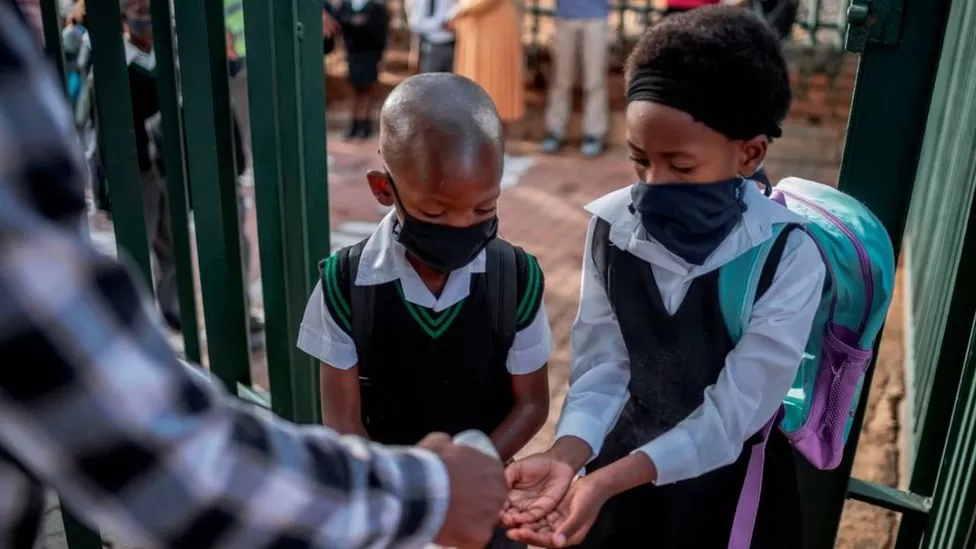
The study showed that 81% of South African children could not read for comprehension in any of the country's 11 official languages.
Alongside Morocco and Egypt, South Africa was one of only three African countries which participated in the assessments to monitor trends in literacy and reading comprehension of nine- and 10-year-olds.
Based on tests taken every five years at the end of the school year, the new study places countries in a global education league table.
Singapore secured top spot in the rankings with an average score of 587, while South Africa ranked last on 288 points - below second-last Egypt's average of 378. The scores are benchmarked against an international average of 500.
The study also showed that overall, girls were ahead of boys in their reading achievement in nearly all of the assessed countries, but the gender gap has narrowed in the most recent testing round.
South Africa's struggles with its education system are longstanding, with significant inequality between black and white students a consequence of the segregation of children under apartheid.
Education is one the single biggest budget expenses for the government, which can lead to disappointment over poor performance in studies like this.
A lack of suitable reading materials and inadequate infrastructure in schools, often things like toilets, have contributed to the crisis.
Latest Stories
-
GPL 2025/26: Dreams FC stage stunning comeback to hammer Eleven Wonders
1 hour -
Livestream: The Probe examines Kumasi’s looming water crisis
1 hour -
MTN Ghana gears up to lead Africa’s AI revolution
1 hour -
Philanthropist Alhaji FuZak donates Da’wah bus to Ambariya Sunni community
1 hour -
GUTA calls for suspension of Publican AI system over trade disruptions
2 hours -
TTAG raises alarm over proposed recruitment of 7,000 teachers, demands national posting roadmap
2 hours -
Civilians feared killed after reports of air strike on Nigerian market
2 hours -
Bishop Simon Kofi Appiah installed as new Jasikan Diocese Bishop
2 hours -
Trump’s Strait of Hormuz blockade threat raises risks and leaves predicaments unchanged
2 hours -
US Court backs extradition of former MASLOC CEO Sedina Tamakloe-Attionu to Ghana
3 hours -
Seven arrested as NAIMOS dismantles illegal mining camp, seizes firearms at Boin River
3 hours -
Fire erupts at Madina Ritz Junction, destroys multiple wooden structures and containers
3 hours -
Daniel-Kofi Kyereh returns from long-term injury, registers assist for Freiburg U23
3 hours -
Knifeman calling himself ‘Lucifer’ slashes three at NYC’s Grand Central
3 hours -
Brands are built from within to without
3 hours