

Audio By Carbonatix
How would you sum up the state of gender inclusive finance in 2024?
The gender gap in access to finance in the developing world is now 6%, compared to 9% in 2011. Gender inclusive finance has therefore come a long way, with more women economically active and accessing formal financial services.
But this success is not representative of all developing countries. While some countries lead the way, others still lag behind. It is, however, encouraging to see how much progress AFI members have made.
The network has recorded exponential growth in the GIF policy changes across all of AFI’s seven thematic areas over the years. More than 75 percent of AFI members consider GIF as a high-priority area and more than 85 percent have identified women as a target segment in their policy documents.
What are some of the most inspiring examples of progress?
Gender inclusive finance has become increasingly mainstream, especially among AFI members. Worldwide, policymakers and regulators are incorporating it into their financial inclusion strategies and programs, which is a remarkable reflection of what we have achieved. There is a growing awareness that financial inclusion is multidimensional and needs to be implemented comprehensively, in order to be truly successful.
The use of data is gaining ground and has become a strong pillar in efforts to enhance women’s financial inclusion. Without relevant data, policies are ill-informed and more likely to fail. Regulators and policymakers are increasingly collecting and analyzing sex-disaggregated data to understand the complexities of the gender finance gap. As a result, conversations, decision-making, and policy solutions are increasingly now evidence-based and therefore a lot more effective.
Gender inclusive finance awareness has spread across the AFI network and beyond, translating into tangible action. We are seeing inspiring policy and regulatory reforms and investment in infrastructure that enables gender-sensitive digital financial services.
In Ghana, financial literacy programs are playing a crucial role in advancing women’s financial inclusion. In collaboration with key stakeholders, the Bank of Ghana has launched nationwide TV, radio, and social media campaigns in local languages to help women improve their saving, budgeting, and digital financial services skills. These programs target women in rural and underserved communities, providing them with the tools to manage their finances and access formal banking services. As a result, many women are now better equipped to grow their small businesses, secure loans, and improve their financial well-being, contributing to stronger family and community economies.
Thanks to Bangladesh Bank’s financial inclusion dashboard, women in rural areas now have better access to formal financial services. The dashboard collects and analyzes sex-disaggregated data, helping policymakers understand the specific needs of women. Today, a woman in a remote village can open a mobile money account with ease, save for her children’s education, and even access micro-loans to expand her small business.
The Central Bank of Solomon Islands has partnered with financial institutions to introduce mobile banking solutions that cater to women’s unique needs, addressing mobility challenges. Women in remote island communities can now invest in small businesses and improve their household incomes, contributing to greater financial independence and community development.
What are some of the remaining challenges?
A lot still needs to be done.
A lot of progress has been made in getting women to open accounts. We now need more action in promoting women’s effective usage of these accounts; be it traditional bank accounts, electronic wallets, mobile wallets and the like. We want to see more women saving, building their financial histories and accessing credit to grow their businesses, so they can play an active part in our economies. We want to see more women planning for their futures with insurance products, pensions and retirement plans.
There’s an array of financial services and products out there that can improve women’s and their families’ and communities’ lives, but getting women to use them effectively to scale their businesses should be the goal, as well as getting the message across that embracing these products and services will make women more resilient to shocks like climate shocks and pandemics.
The recent launch of AFI’s Gender Inclusive Policy Model will go a long way to accelerating progress. Based on empirical evidence, and drawing on successful policies, experiences, and lessons from across the AFI network, the Policy Model provides a useful framework that will guide regulators and policymakers as they seek to advance women’s financial inclusion and narrow the gender gap.
Overall, as my term as Chair of AFI’s GIF Committee comes to an end after four years (two terms), I look back with immense satisfaction at what my colleagues and I have achieved during our tenure on the Committee, and indeed what we have achieved together as the AFI network with the support of the AFI Management Unit. I wish the next committee chair even more success.
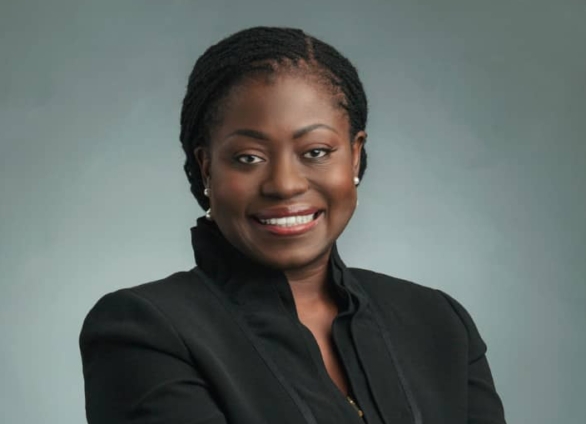
For the last four years, Bank of Ghana Deputy Governor, Elsie Addo Awadzi has chaired AFI’s Gender Inclusive Finance Committee. As her term comes to an end, she reflects on how the landscape for women’s financial inclusion is changing.
Latest Stories
-
National Investment Quiz 2026: Six schools qualify for quarter-finals
21 minutes -
‘Do not let Russia pay for its madness with lives of your people’ – Zelensky to Ghana, 46 other countries
28 minutes -
6,079 promotion cases fully processed and paid – CAGD says amid nationwide teachers’ strike
48 minutes -
Teacher unions to meet government Monday over nationwide strike
1 hour -
Photo story: Republic Bank-JoyNews Habitat Fair clinic wraps up after three days of housing solutions, expert engagement
1 hour -
National Peace Council urges investment in youth to sustain Ghana’s peace
1 hour -
Afenyo-Markin urges youth to speak up against injustice
2 hours -
CAF annuls Edo Queens victory, orders WAFU B final to resume from extra time
2 hours -
Interior Minister urges traditional authorities to enforce anti-bushfire bye-laws
2 hours -
3rd Republic Bank-JoyNews Habitat Fair Clinic ends on a high note after three days of strong patronage
2 hours -
Ten climbers missing after avalanche hits Himalayan base camp
3 hours -
NPP had more permanent fuel relief measures than current GH¢2 diesel cut – Amin Adam
3 hours -
Photos from the 3rd Republic Bank-JoyNews Habitat Fair Clinic
3 hours -
Ethiopia’s army promises restraint amid fears of new civil war
3 hours -
Amin Adam calls for review of fuel taxes as diesel prices remain above GH¢18
4 hours