

Audio By Carbonatix
The Energy Commission has uncovered an emerging trend of local electrical appliance vendors falsifying energy-efficient star ratings on their imported goods.
The energy consumption regulator reveals individuals apprehended for the illegal act were found to apply permanent ink on the star rating labels of appliances such as fridges, air conditioners, and television sets to depict them as energy efficient.
The Commission says customers of such unscrupulous vendors were shortchanged for purchasing the appliances, which consume a lot of energy.
Senior Officer, Public Affairs at the Commission, Samuel Frimpong, explains that these trends were typically found among vendors in rural communities.
“People have realized that the more rated the stars rating, the more the market. So, they now use markers to shade the stars to shortchange people. This means you are cheating the system,” he noted.
He explained the energy regulator is working to crack down on persons selling these sub-standard appliances on the market.
“When the market surveillance team goes around and they meet such cases, they caution them to remove the appliance from the market, relabel and penalised them,” Mr. Frimpong added.
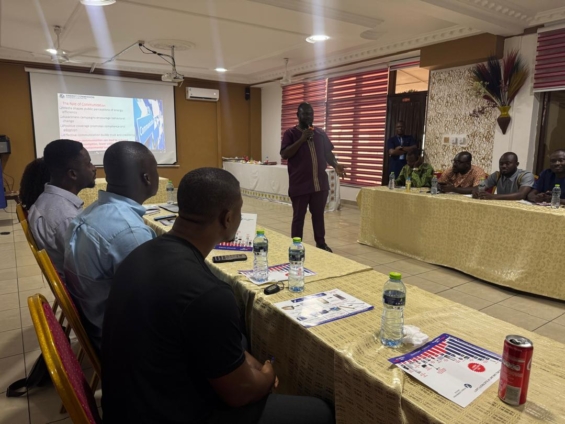
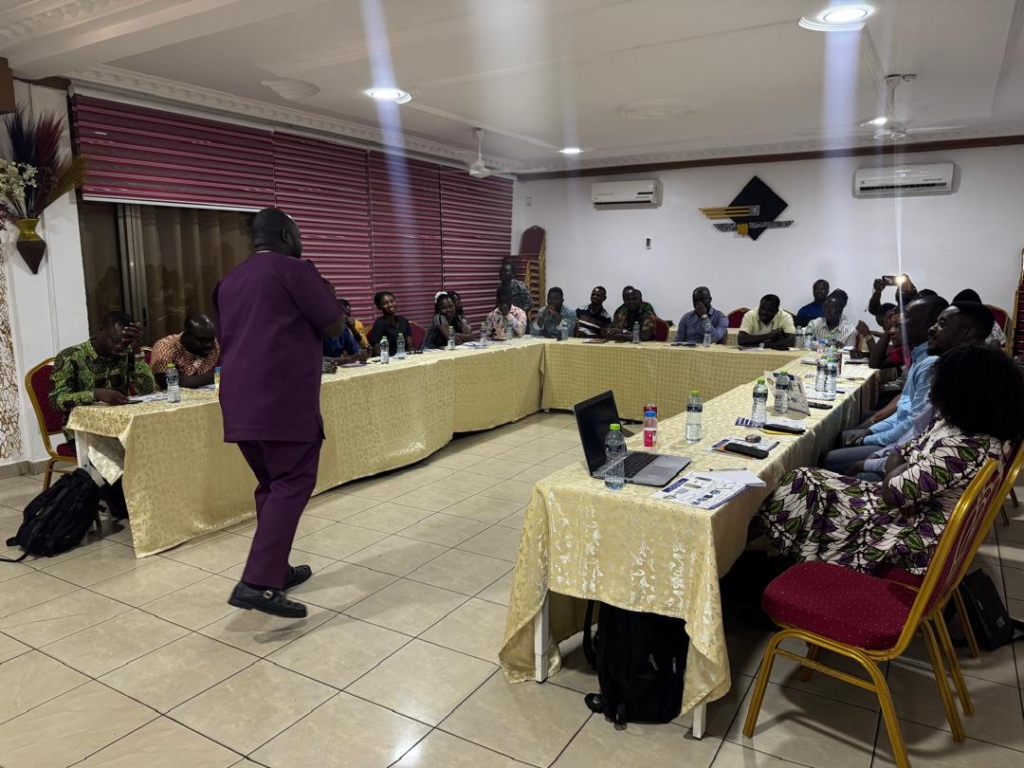
Mr. Frimpong spoke on the sidelines of a one-day training workshop on Energy Efficiency and Conservation for journalists in the Ashanti region.
Identifying the fake ‘yellow’ labels
The commission explained that one can download the "GH certified Appliances App" for verification of the label embossed on appliances.
Also, the QR code on these new yellow labels can be scanned.
Additionally, the regulator indicated that the original five (5) star ratings have been upgraded now to 7 stars under the new labels. These two labels will go side by side on the market for a period until the former phases out.
The training assembled over twenty media practitioners in the region to be exposed to the fundamentals and legal framework on conserving energy and using same efficiently.
Mr. Frimpong explained that the media, serving as the communication link between policymakers and society, was a critical stakeholder in the promotion of efficient use and conservation of energy.
He urged participants to harness their platforms in promulgating the new legal framework on energy conservation and efficiency.
The training is expected to be replicated across other regions of the country to extend the advocacy nationwide.
Latest Stories
-
Israel-bound flight diverted after fight between pilots
5 minutes -
EchoWave earns praise for sound quality at 10th Women in Worship
14 minutes -
Crackdown on South Africa’s unsafe streets ordered by president to keep women safe
26 minutes -
Banks are responding to improved monetary policy conditions – John Awuah
45 minutes -
Judges’ conference forces further adjournment of Salomey Baffoe case to Oct. 5
57 minutes -
Chorkor community joins AC4NCA clean-up to tackle marine and coastal pollution
1 hour -
GRA assures Tullow of collaboration to settle $393m tax liability without disrupting its petroleum operations
1 hour -
South Korea demands apology from Pyongyang for landmine blasts that injured three
1 hour -
Carlos Queiroz not the sort of coach Black Stars need – Nii Lante Vanderpuye
2 hours -
AFCON 2027Q: ‘Our Black Stars team is gone’ – Former Sports Minister
2 hours -
Prof. Prempeh calls for public review of draft constitutional reform bills
3 hours -
AFCON 2027Q: ‘I have never seen a poor performance from Black Stars like against Gambia’ – Nii Lante Vanderpuye
3 hours -
Bawumia backs insurance sector reforms after engagement with IBAG
3 hours -
Nigeria set to launch National Digital Address System 9 years after Ghana showed the way
3 hours -
Policy rate decision takes time to reflect in lower lending rates – BoG
3 hours