

Audio By Carbonatix
World Bank (WB) Country Director to Ghana, Pierre Frank Laporte, says Ghana’s energy sector debt is a major contributor to her debt woes.
In an interview monitored by GNA, the country director indicated that his outfit had identified certain factors that were driving the country’s debt situations.
According to Mr Laporte, one of the factors the bank has identified is the energy sector.
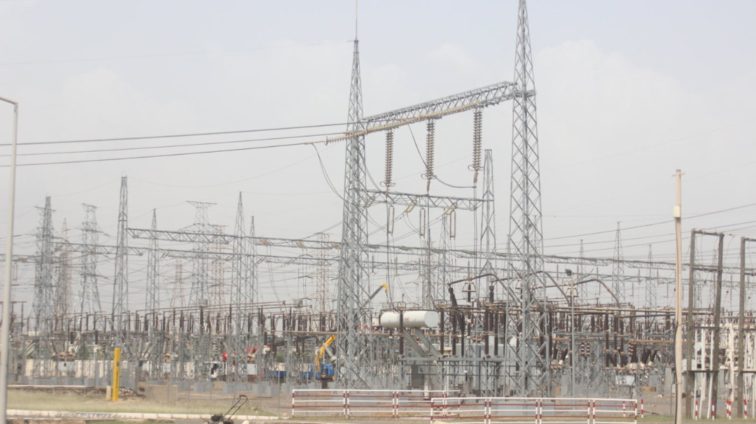
He said the deficiencies in the sector characterised by the tariff systems and management issues coupled with expensive power purchases by the state in addition to the transmission losses, were the major problems in the energy sector driving Ghana’s debts.
He said the mismatch between the production cost of the Independent Power Producers (IPPs) vis-à-vis how much consumers paid led to an upsurge of debts since the Government could not make financial commitments to them (IPPs).
Mr Laporte also said the Power Purchasing Agreements (PPAs) the Government had signed were expensive. In addition to the exorbitant power purchases the country was paying for energy it does not use due to the ‘’take or pay contracts.’’
‘’In the case of Ghana, those contracts that have been signed as PPAs are just expensive and the kind of PPAs signed are take or pay. You pay although you do not use it. The fact is that in the past few years, Ghana entered into an agreement at the wrong rate and the wrong price, and it has impacted the debts situation.’’
He asked the Government to pursue some reforms in the areas of tariff adjustments, addressing the transmission losses through improved infrastructure and restructuring the power purchasing agreements consistent with the energy demands of the country to reduce a significant portion of the debts.
The WB Country Director acknowledged the progress made thus far via the recent increment and subsequent approval in tariff by the Public Utility Regulatory Commission (PURC), saying much could be achieved if the intended reforms in the energy sector were implemented.
He subsequently advised the Government to take advantage of the West African Power Poll, to provide cheap electricity for its people and industry.
According to the Fitch Ranks, the energy sector is the biggest driver of the national debt as the West African Country currently owes independent power producers to the tune of $1.58 billion.
Fitch Ranks also says the country had initially reached out to the IPPs to restructure their debts in view of the External and Domestic Debt Restructuring but the companies objected to the proposal.
Latest Stories
-
Church of Pentecost supports over 2,000 BECE candidates in Obuasi with career guidance seminar
1 hour -
Brandon Asante and Coventry all but promoted to Premier League despite Sheffield Wednesday draw
1 hour -
GPL 2025/26: Late Kwartemaa strike downs Hearts in Tema
2 hours -
Ghana Faces Sierra Leone Moment as Prosecutorial Powers come under strain
2 hours -
Don’t consume fish or seafood from Tema Shipyard until further notice – FDA warns
2 hours -
Why volunteering might be Africa’s most underrated career accelerator
2 hours -
ActionAid Ghana raises concern over gender gaps in Feed Ghana Programme
2 hours -
Windstorm wreaks havoc in Gushegu, displacing nearly 2,000 residents and damaging schools
2 hours -
Friends of Bridget Bonnie Marks her 35th birthday with donation to Kasseh Model Health Centre
3 hours -
From Ekumfi Kokodo to the Pulpit Stage: Essi Donkor’s gospel journey takes shape
3 hours -
Landfilling waste management creates no value, it’s an economic waste
3 hours -
Photos: Speaker Bagbin Commissions MPs constituency office under parliamentary decentralisation programme
3 hours -
Black Stars technical advisor Winfried Schäfer sacked as GFA shakes up backroom staff
4 hours -
Wenchi water project almost complete, critical to gov’t agenda – GWL MD
4 hours -
Anti-LGBTQ+ bill not part of government’s legislative agenda – Inusah Fuseini
4 hours