

Audio By Carbonatix
The Independent Power Generators Ghana (IPGG) has welcomed the introduction of the GH¢1 Energy Sector Levy, stating that it is a necessary measure to restore stability in the power sector.
According to the IPGG, the policy intervention is both necessary and time-sensitive, given the precarious financial state of the sector.
It therefore extends its firm support for the government’s introduction of the levy, which it described as aimed at addressing the growing and unsustainable debt within the electricity value chain.
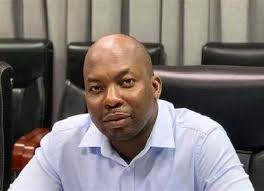
In a statement signed by its Chief Executive Officer, Dr. Elikplim Kwabla Apetorgbor, it pointed out that the sector's distress, which affects power producers, fuel suppliers, and system reliability, is a direct consequence of the mismanagement and misapplication of previously established Energy Sector Levy and bond proceeds and loans.
“Funds that were earmarked for the settlement of legacy debts and restoration of financial health were not applied with the discipline, transparency, and accountability that the sector required”, it added.
Power Delivery Ecosystem Under Immense Strain
It continued that the entire power delivery ecosystem is now under immense strain, stressing that Independent Power Generators (IPGG) are unable to recover costs, maintain assets, or secure timely fuel supplies, a situation that undermines grid stability, endangers electricity reliability, and diminishes confidence among investors and financial partners.
“In this context, IPGG commends the current administration for taking responsibility and initiating decisive, corrective actions. The introduction of the GH¢ levy is a pragmatic and forward-looking measure. If properly ring-fenced, monitored, and applied transparently, it can serve as a credible instrument for restoring liquidity and credibility in the power sector”, the statement alluded.
The IPGG acknowledged the genuine burden any new levy places on consumers, especially under current economic conditions.
However, it said the consequences of inaction, blackouts, plant shutdowns, job losses, and erosion of national productivity are far more severe and immediate, adding, ensuring a stable and resilient electricity supply is a shared responsibility that requires collective sacrifice and institutional accountability.
It therefore appealed to all Ghanaians to support this measure in good faith, concluding, “We stand ready to collaborate with the government and all stakeholders to ensure that the proceeds are effectively utilized, and that the sector is placed on a path of financial sustainability, operational efficiency, and long-term resilience”.
Latest Stories
-
Sankofa Gold targets 70kg output after 9-month shutdown
48 seconds -
Tamale, Bolgatanga had just one Legal Aid lawyer between them – Kwesimintsim MP
8 minutes -
PAC orders eviction of former irrigation company MD from official residence
12 minutes -
Legal Aid Commission has offices in only 45 of Ghana’s 261 districts, needs 180 more staff
14 minutes -
Challenging Heights welcomes Ghana’s Tier 1 ranking, calls for more anti-trafficking funding
34 minutes -
Cedi extends depreciation against dollar; going for GH¢12.10 at forex bureaus
35 minutes -
ECG cannot keep lending electricity for free
37 minutes -
No trader will be evicted from Aboabo Market after redevelopment – Mahama Ayariga assures traders
45 minutes -
GAUA to communicate decision on strike suspension after Tuesday
49 minutes -
Moody’s upgrades Ghana’s credit ratings to B3, but changes outlook to stable
55 minutes -
‘I want to raise well-rounded individuals, not just men’ – Kate Addo on parenting boys
59 minutes -
Yaa Konadu Agyeman’s ‘Exceptionally Yours’ is the perfect romance read for the holiday season
1 hour -
‘You have to man up’ – Kobby Kyei on the hidden cost of silence for Ghana’s boys
1 hour -
DVLA extends regional office hours to 10pm under 24-Hour Economy
1 hour -
‘Ghanaians are becoming like Kweku Ananse’ – Agyinasare warns against culture of lies
1 hour