

Audio By Carbonatix
In a sudden twist of events, people across the globe are jogging in various places with masked faces.
Muslim women say that’s making public life in the burka much more pleasant, and everyone understands them now.
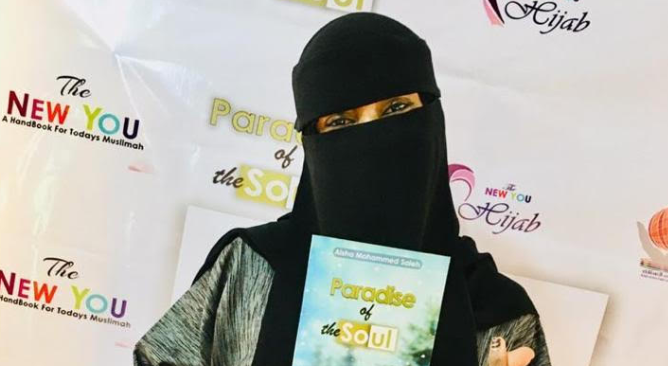
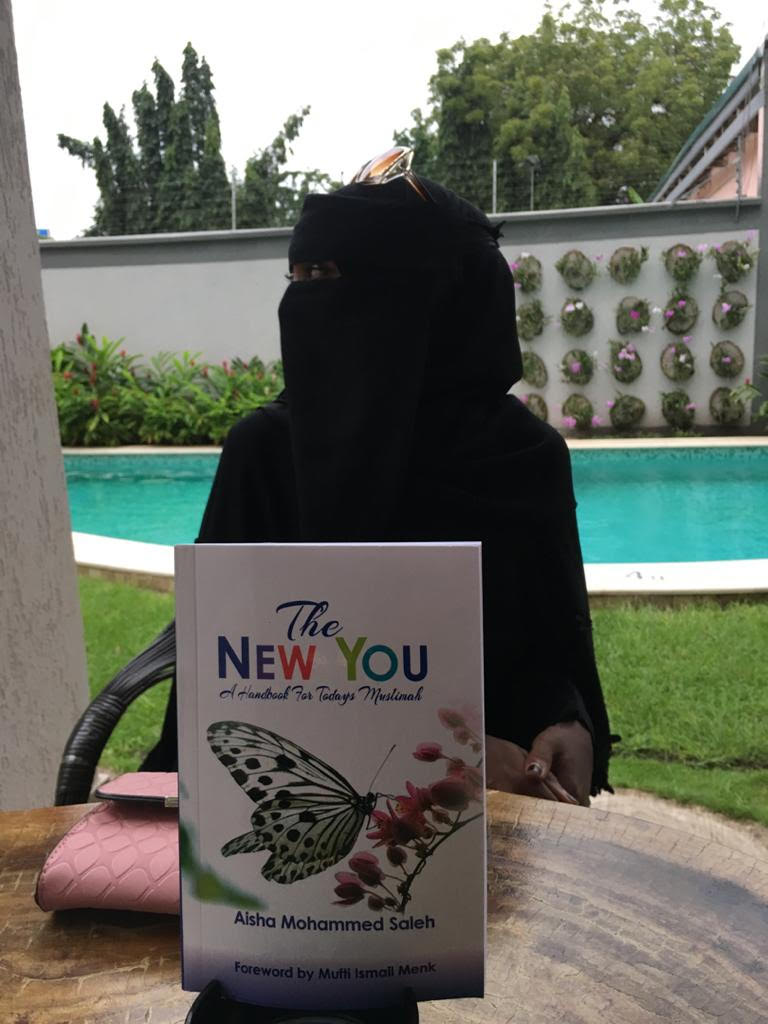
"I have been wearing Niqab (burka) for the past fourteen (14) years since I joined my husband in Saudi Arabia." That is according to 34-year old Aisha Mohammed Saleh.
And for that same period, Aisha says she has become the centre of public attention anytime she is spotted in the garment. Many of such looks and observations come with prejudice while few others with acknowledgment.
"The most devastating moment I remember was an encounter with the immigration at Kotoka International Airport."
Aisha says she was called for security checks and that certainly confounded her.
"It really made me nervous and anxious." she adds.
Some people tend to perceive niqab-wearing women as oppressed, backward, foreign and socially –separated.
Rabiatu Adam, a pharmacist from Accra, tells me her experience has been an interplay between good, bad and terrible.
Rabiatu almost gave up in the very early days about seven years ago due to negative public reactions.
"Yes, very bitter ones marked by sometimes people not even wanting to share the same seat with you in commercial vehicles," she laments.
Like many others, the 41-year old pharmacist has faced public ridicule, among others.
"Someone could walk up to you and ask if you could see clearly or ask why you decide to cover your face."
How Aisha, and Rabiatu who cover their faces now find greater acceptance of Covid-19 masks astounds them.
Aisha, for instance, says, many people are now inclined towards her and many others make a request for her niqab to wear for some protection.
"My friends now want to borrow my niqab and some are willing to buy," Aisha says.

Aisha's experience is not that different from Rabiatu's. Same ridicule in the past and equal praises now.
"This has been the best time ever to wear the niqab and a time when it has gain nearly complete public acceptance, if not for religious reasons, for health." Rabiatu expresses.
There’s a marked difference to the way Aisha, Rabiatu and their way of dressing are perceived. Nobody is giving them looks because of their covered face.
Though, Niqab-wearing women say, they are held in high esteem as experts on face covering, the million-dollar question that remains to be answered is whether this attitude will continue or it will disappear with the pandemic.
The question of whether the attire protects one from Covid-19 infection or transmission also remains a debate among health experts.
Neurosurgeon at Korle Bu Teaching Hospital says though it provides some form of protection, it can't fully protect one from the virus based on scientific reasons.
"Because of the nature of the virus, it can't completely protect you" Dr Mohammed Hadi clarifies.
Dr. Hadi however acknowledges niqab would somehow reduce the rate of transmission of Covid-19 among people especially in public spaces.
He says the Muslim dress provides same protection like most of the face masks sold on the Ghanaian market.
Dr Hadi adds that it will be good advocacy for Muslims with the Covid-19 virus to wear the Niqab.
For now, Aisha and Rabiatu say growing acceptance of face-covering has helped them to overcome a reluctance to use the niqab.
Latest Stories
-
Total revenue & grants stood at GH¢144.5bn in July 2026, lower than targeted amount – BoG
10 minutes -
Ghana Sports Fund urges sports federations to submit credible proposals and measurable targets
14 minutes -
Musk says US government may be behind slowdown of Ukraine drone speeds
31 minutes -
Picking Chief Justices nearing retirement could give Mahama immense power – Bentil
41 minutes -
Netflix to shed 1,000 jobs in steepest cuts since 2022
1 hour -
Burnham had two hospitality dinners with Man City chairman, deleted records show
1 hour -
Semenyo ‘froze’ after alleged racist abuse, court told
1 hour -
‘Shameless’ – Mourinho critical of Vinicius Jr ban timing
2 hours -
Loyalty can outweigh competence in Chief Justice selection – Bentil
2 hours -
Man City suffer as PSG masterclass sets up Champions League win
2 hours -
Customer Service Africa CEO urges business leaders to observe staff and customer interactions
2 hours -
On night of mayhem for Liverpool, Barcola arrives in style
2 hours -
Muzic Mensah finds healing and renewed love in new single ‘WayƐ Late’
2 hours -
FIFA to offer extra £2.6bn for football development
2 hours -
Government backing is no EPA permit – Authority warns GoldBod, ministries
3 hours