

Audio By Carbonatix
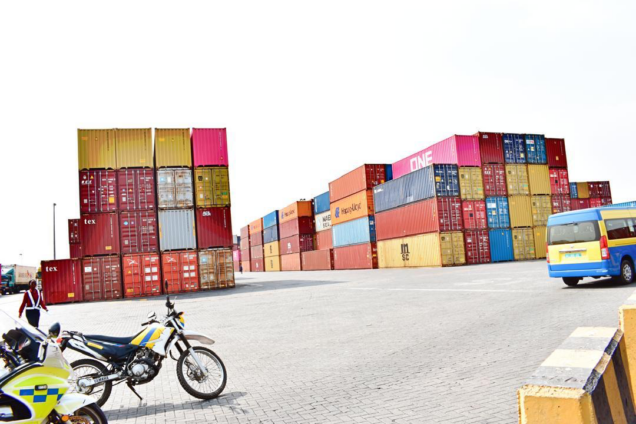
The Food and Beverage Industry Association of Ghana (FABAG) has blamed excessive shipping and port charges for the rising cost of doing business in Ghana.
In a strongly worded statement, the association said businesses in the food and beverage sector have for years struggled under what it described as unjustified and excessive fees imposed by international shipping lines operating in the country.
According to FABAG, the situation has worsened pressure on businesses already battling high operational costs, inflation, exchange rate instability, and unfair trade competition.
“For years, businesses in Ghana, particularly those in the food and beverage sector, have borne the burden of excessive port and shipping-related charges, many of which have significantly increased the cost of doing business and contributed to rising consumer prices,” the statement said.
FABAG declared its full support for the Ghana Shippers’ Authority in its attempts to regulate charges within the shipping and logistics sector.
The association criticised a reported court action by some shipping lines seeking to block the enforcement of regulatory measures by the Authority.
“We view this action as unfortunate, counterproductive, and detrimental to the broader national interest,” FABAG stated.
It argued that efforts by the Ghana Shippers’ Authority to promote transparency, fairness, and accountability should not be obstructed.
“The Ghana Shippers’ Authority, acting within its legal mandate, has demonstrated leadership and commitment in promoting transparency, fairness, and accountability within the shipping and logistics sector,” the statement added.
FABAG warned that attempts to frustrate the Authority through legal action undermine national efforts to improve Ghana’s business environment and protect local industries.
The association insisted that shipping charges must be transparent and properly justified.
“Shipping charges and related fees must be transparent, justified, and subjected to proper stakeholder consultation,” it stressed.
FABAG further maintained that the interests of Ghanaian businesses and consumers must come ahead of what it described as excessive profit-driven practices.
“The interests of Ghanaian businesses and consumers must take precedence over excessive profit-driven practices that negatively affect the economy,” the statement said.
The association also called on government, organised labour, civil society groups, and trade associations to support the Ghana Shippers’ Authority in ensuring fairness within the shipping and port sector.
FABAG said it remains committed to advocating policies that protect businesses, jobs, investments, and consumers in Ghana.
Latest Stories
-
President Mahama ends Resetting Ghana tour of Ahafo Region
1 hour -
African negotiators seek delivery of climate commitments at COP31
1 hour -
BoG develops AI rules for financial sector
1 hour -
‘Big Push’: Government assures contractors of prompt payments
1 hour -
Court fines miner for breaking into gold buying shop
1 hour -
Tarkwa court jails labourer for three years over GH¢123,000 theft
2 hours -
GAEC must retain nuclear scientists for Ghana’s nuclear ambitions – Minister
3 hours -
Man reportedly mistaken for game and shot by hunter dead in forest
3 hours -
19-year-old mason jailed 15 years for defiling seven-year-old pupil
3 hours -
Ghana’s banking sector assets rise 20.47% to GH¢500.2bn – BoG Governor
3 hours -
22 injured as Sprinter bus overturns at Sege after tyre burst
3 hours -
UN housing expert urges Ghana to strengthen Rent Control Department amid housing affordability concerns
3 hours -
Delta-BCI partnership reaches 166,000 people with breast cancer education
3 hours -
Power restoration fault suspected in Kumasi Central Market fire
9 hours -
The 7-foot giant of Ngleshie Amanfro: Seven-foot Ghanaian Ephraim Saawa dreams of joining the national basketball team
9 hours