

Audio By Carbonatix
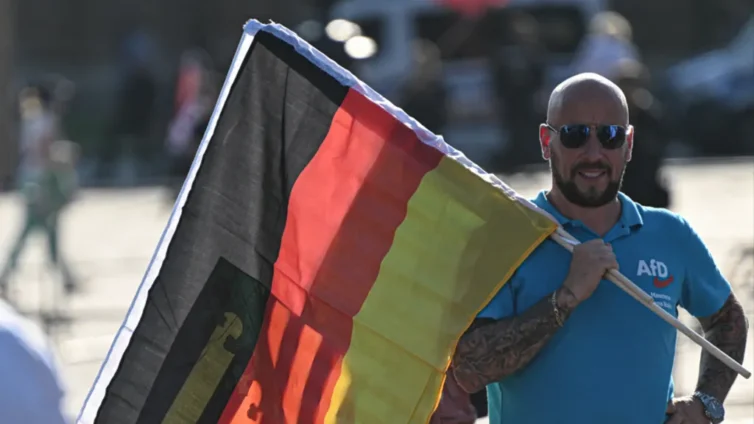
The far right is on the cusp of winning the most votes in German state elections for the first time since the Nazis.
For some in Germany, the rise of Alternative for Germany (AfD) is a literal nightmare.
But others, particularly in the east, say the AfD is a chance for change.
All year, the temperature has been rising in German politics and Sunday’s vote in Thuringia and Saxony may be the boiling point.
“Liar!” shouted a small group of people in Thuringia this week, as Chancellor Olaf Scholz took the stage in the city of Jena.
Chants of “Volksverräter” also punctured through the wider applause; a phrase that means “traitor of the people” and is seen by many as having Nazi connotations.
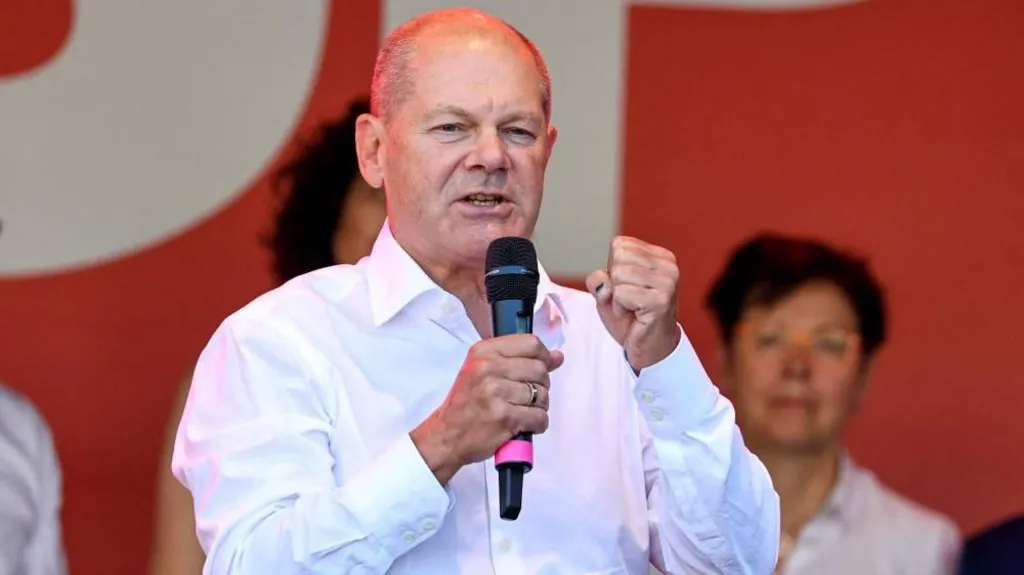
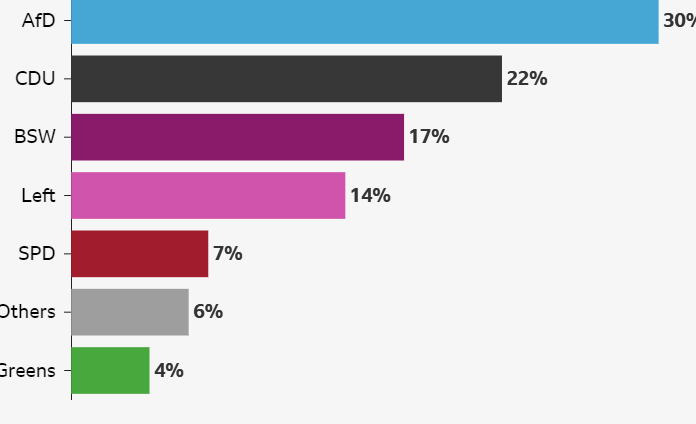
Chancellor Scholz’s Social Democratic Party, along with his Green and Liberal coalition partners, are doing so badly in Thuringia they may not even get a single seat in the state parliament – while the AfD is polling top.
In neighbouring Saxony, the AfD is running neck and neck with the conservative CDU.
Last week’s knife attack, in which a Syrian asylum seeker and suspected Islamist is accused of killing three people, has fuelled fierce criticism of how successive governments have handled migration.
A hasty – you could even say panicked – response has seen ministers announce tougher asylum and knife crime laws.
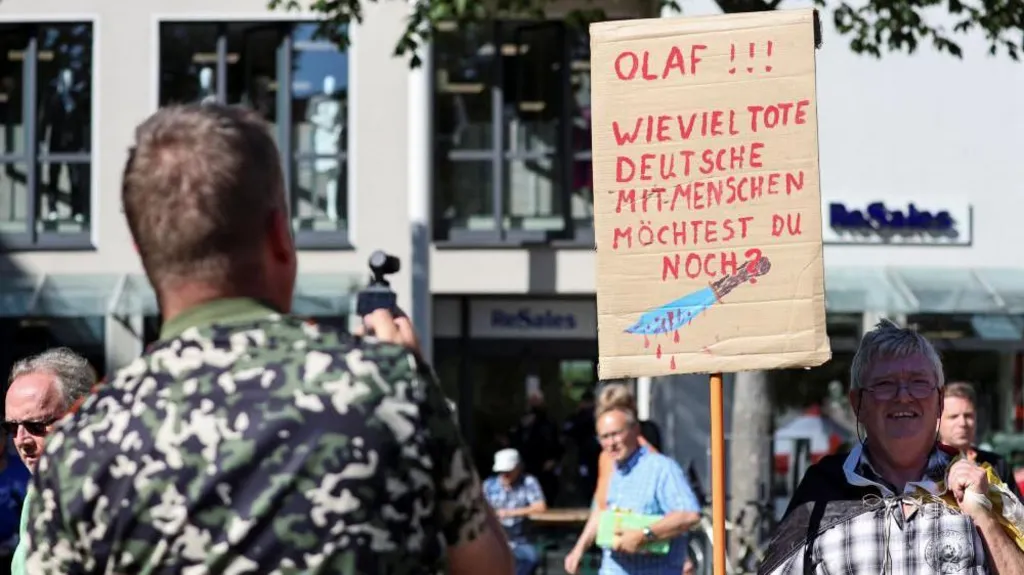
But it’s unlikely to overturn a broader discontent that – for many AfD supporters – isn’t just based on anger about “mass” immigration.
People also talk of wanting to fight what they see as over-zealous green policies, state interference and ill-advised military support for Ukraine.
In the east that all combines with a despondency and frustration that’s been brewing for years, even decades – about the results of German reunification.
“You can constantly see where the east begins and where the west begins,” says 16-year-old Constantin, who rides into the town of Meiningen on his East German Simson S50 moped.
“The east and the west, it’s true it’s connected now. It’s one Germany. But we see, in the difference, it’s big.”
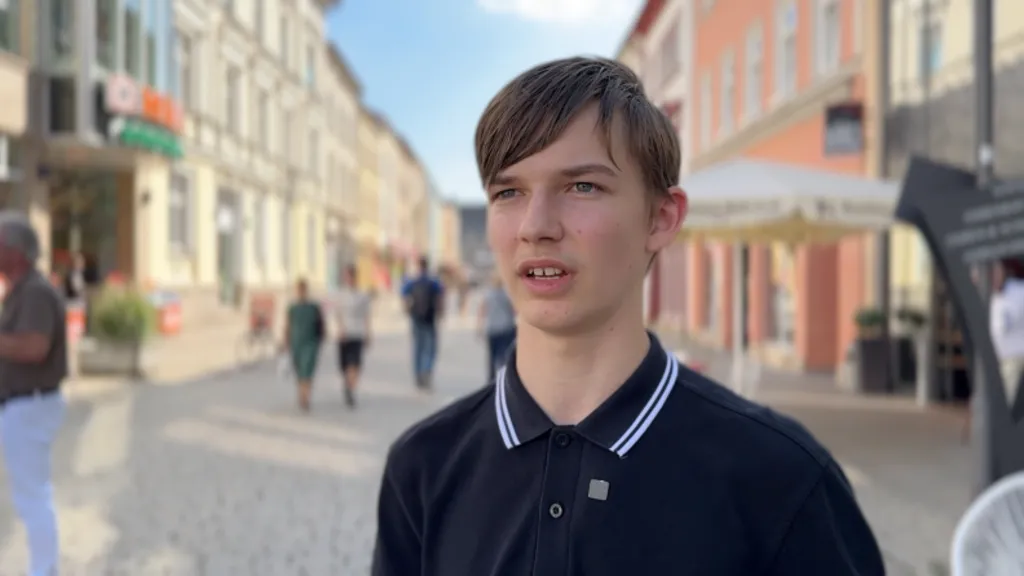
The trainee car mechanic’s view is one that echoes through the streets of towns, cities and villages that once made up the communist GDR.
A feeling of being “looked down on” has combined with resentment at the west’s stronger industrial base, higher wages and historic pension inequalities.
“We are getting forgotten,” says Constantin who is firm in his support for the AfD - as are many young people, according to polls.
He, like every AfD supporter I’ve ever spoken to, is dismissive about allegations of extremism that have increasingly dogged the party.
A BBC investigation, earlier this year, found clear links between party figures and networks deemed extremist by state authorities.
In Thuringia, the party is officially classed as right-wing extremist while its highly controversial leader in the state, Björn Höcke, was recently fined for using a Nazi slogan - though he denies doing so knowingly.
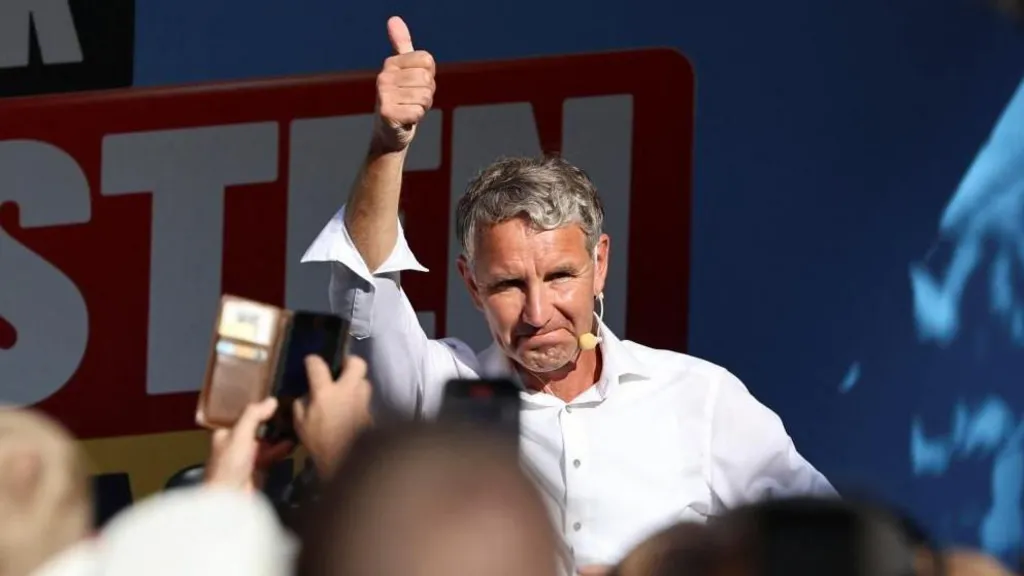
But party backers often say that they believe both domestic intelligence and the mainstream media are actively seeking to smear their movement.
Some will judge this as being either a dishonest or deluded defence but there is – in the east – an ingrained suspicion of the state amongst communities that once endured the activities of the Stasi, the loathed secret police in communist East Germany.
“The people who live here have already experienced what it is like when the government starts to interfere too much,” says Vivien Rottstedt, a 31-year-old lawyer and AfD candidate in Thuringia.
Restrictions during the Covid pandemic and a perception that people are being forced to adhere to “politically correct” viewpoints seems to have boosted public distrust.
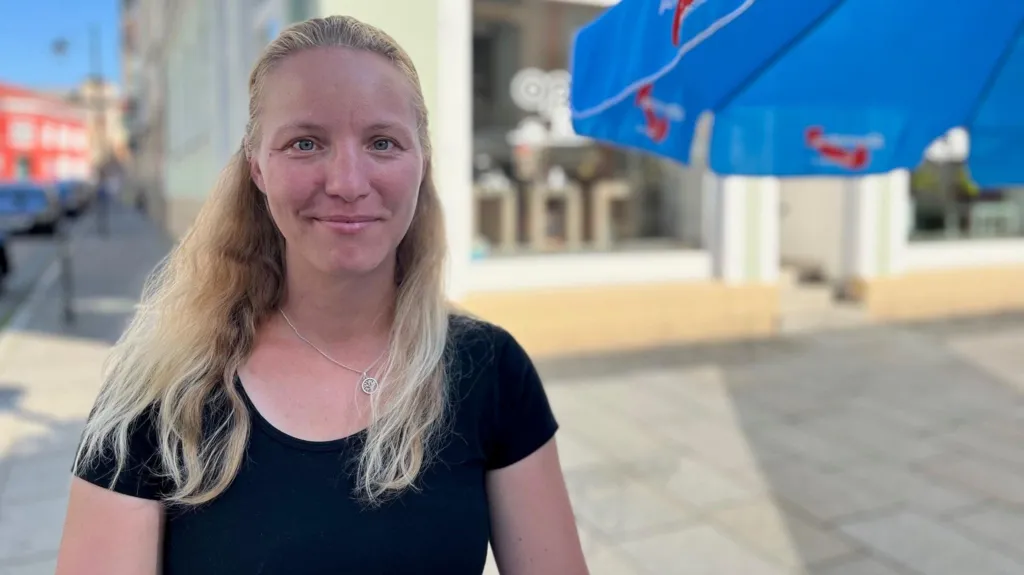
“People from eastern Germany know exactly what it's like when you're no longer allowed to express your own opinion,” she tells me as she shelters under a campaign umbrella in 30C-plus heat in Meiningen.
Meanwhile another insurgent party – the Sahra Wagenknecht Alliance (BSW) – has catapulted itself in the polls up to third place in this state.
Ms Wagenknecht, a former communist and long one of the most prominent politicians in eastern Germany, has had success in blending cultural conservatism with economically left-wing policies.
But it’s the AfD which appears to have the best chance of winning the most votes here, while it’s also set to perform strongly in Saxony and in elections in another eastern state, Brandenburg later this month.
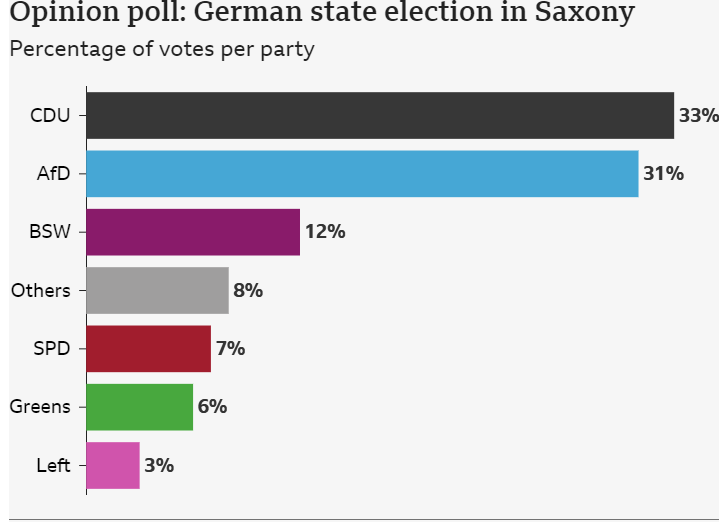
While such an outcome would send shockwaves through Germany, it doesn’t mean the AfD will take power as other parties are likely to band together as part of an ongoing “firewall” against the far right.
Nevertheless, it all spells trouble for the struggling Chancellor Scholz and his constantly bickering coalition.
“It’s new to Germany that we have that three-party coalition and it hurts a lot when you have a lot of disputes,” says SPD activist Levi Schlegtendal.
He’s manning a stall in Jena and recalls how things seemed different when Olaf Scholz entered the chancellery three years ago.
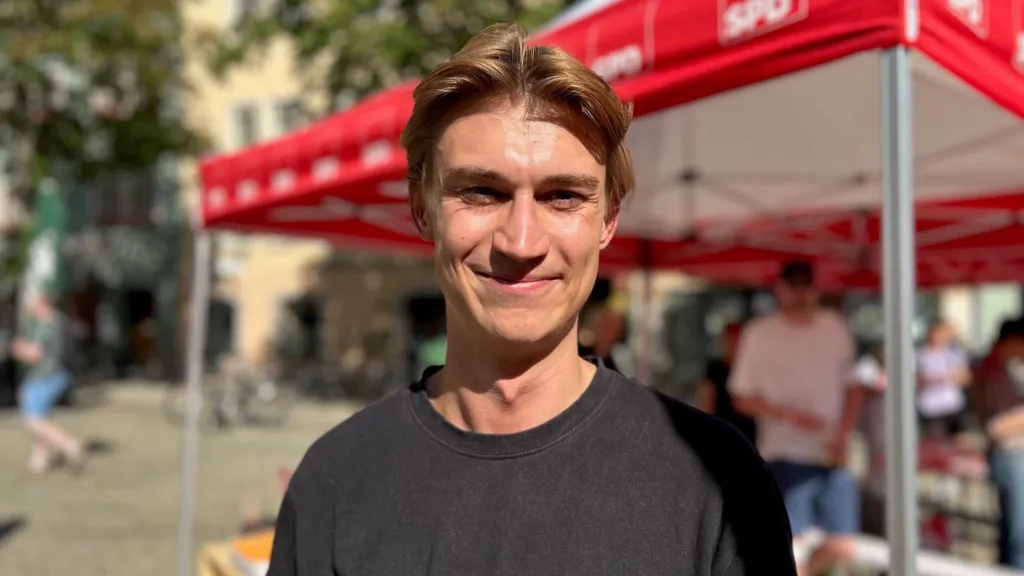
“It was said at that time, 2021, we need someone like [ex-Chancellor Angela] Merkel and that was him,” says Levi – as he recalls the desire for a “calm” and anti-populist candidate.
“Now the times have changed with coronavirus, the Ukraine crisis and he appears to be out of time.”
The results of these elections aren’t just crucial for the people of Thuringia, Saxony and Brandenburg.
They will be judged as a litmus test of public opinion, a year out from federal elections where few are predicting that this traffic light coalition experiment can – or will – be repeated.
The CDU appears most likely to take the chancellery under the leadership of Friedrich Merz but he has notably been striking a more right-wing tone as establishment parties desperately seek to reverse the rise of the AfD.
Latest Stories
-
Hawa Koomson pledges experienced and mature leadership of NPP women’s wing
12 minutes -
Young woman found dead at Kasoa Peace Town
45 minutes -
Playback: The Law examined lawful arrest in Ghana
1 hour -
Mahama urges African governments to treat healthcare as an investment, not budget cost
2 hours -
Bawumia congratulates John Boadu and new NPP executives, pledges support ahead of 2028
2 hours -
‘No talent should be left out’ – Bawumia pledges inclusive NPP campaign for 2028
2 hours -
Prof. Mike Oquaye recounts how he blocked Special Prosecutor’s attempt to arrest Bawku Central MP
2 hours -
Make health sovereignty a priority for Africa – Mahama
2 hours -
Dorimon Naa, Wa West DCE lead massive clean-up exercise; threaten sanctions against recalcitrant residents
3 hours -
Photos from Adom FM Y2K Jam
3 hours -
Praye Tiatia steals the show at Adom FM Y2K Jam [Watch]
3 hours -
Boakye Agyarko congratulates John Boadu, pledges support for NPP leadership
3 hours -
Antwi HiMight thrills fans with Antwi ne Antwi hits at Adom FM’s Y2K Jam [Video]
3 hours -
Amb. Edward Boateng congratulates Boadu, Kodua on election wins
4 hours -
John Boadu pledges to rebuild NPP from grassroots and restore ‘winning machinery’
4 hours