

Audio By Carbonatix
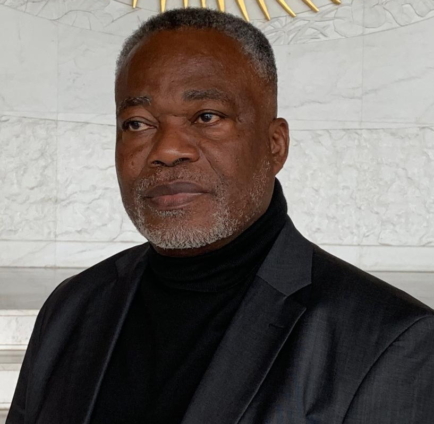
Security analyst Col Festus Aboagye (Rtd) has criticised the state’s inability to detect and prevent deadly attacks in the northern corridor, describing the situation as a dangerous intelligence gap that continues to cost lives.
Speaking on JoyNews’ PM Express on Monday, July 28, Col Aboagye said the state’s response to the recent killings of three students in Bawku and Nalerigu shows a repeated failure in intelligence operations.
“There have been several instances of attacks on convoys, will suggests that there is some deficit in intelligence, because Asawase happened, the state didn’t know.
"The state got to know after the fact, Ashaiman, assuming that it is related to Bawku, was also after the fact. The Nalerigu SHS was after the fact. Bawku SHS was after the fact.”
He said the answer lies in strengthening surveillance capabilities. “The other option is to enhance the intelligence resources, what we technically call ISR.”
Reacting to calls for a shift in military strategy from peacekeeping to peace enforcement, he said such a transition does not apply in this situation.
“I think that the shift, or the transition from peacekeeping to peace enforcement, is not applicable, but having said that, there are options other than shifting from peacekeeping to peace enforcement in courts which could have been explored when this conflict escalated in late 2023 following the enskinment of the rival Bawku chief, especially in 2024.”
Col Aboagye also questioned the adequacy of the military’s current strength in the region.
“The government’s response was to deploy a task force of 500. It’s about 18 months hence, has this size of soldiers been sufficient? So one of the first things we want to look at is the size of the force.
"Can we, for instance, increase it by another 500 to 1000 or 1500 to 2000 because this operation is about dominating the conflict area and dominance, first and foremost, is through personnel, boots on the ground.”
He argued that this dominance cannot be achieved without proper logistics.
“There have been occasions in the past when the military was using fuel coupons to draw fuel to be paid for by the government.
"The government was not paying the fuel suppliers, who were not charities withdrew the service. So we need, again, to enhance the logistics.
"Provide a task force with more vehicles, more transport, including armoured ones and give them more fuel.”
Col Aboagye’s comments follow the killing of two students at Nalerigu Senior High School and another final-year student at Bawku Senior High School on Saturday night.
The attacks are believed to be linked to the long-standing chieftaincy conflict in Bawku, which escalated further after the enskinment of a rival chief in late 2023.
Despite a heightened military presence and a tightened curfew, the killings continue, and Col Aboagye believes the state’s inability to anticipate and prevent these attacks is evidence that Ghana is “acting after the fact” — a pattern that, if not broken, will only deepen the crisis.
Latest Stories
-
Power restoration fault suspected in Kumasi Central Market fire
4 hours -
The 7-foot giant of Ngleshie Amanfro: Seven-foot Ghanaian Ephraim Saawa dreams of joining the national basketball team
5 hours -
Government promises support for Kumasi Central Market fire victims
5 hours -
Vibes The Movie: Big Ghun’s Ghanaian film earns five nominations at 2026 REFFA
5 hours -
MamaCare CEO warns unresolved conflicts among health workers could undermine maternal and neonatal care
6 hours -
Health professionals urged to translate medical knowledge into practice to save mothers
6 hours -
Conflicts among care providers linked to maternal, neonatal deaths – Expert
7 hours -
GIS marks 10th TIME conference, champions improved teaching practices
7 hours -
BRICS Or Balance? What Ghana’s bid really means
8 hours -
GPRTU wants full TRAFFITECH-GH implementation to start in 2027
8 hours -
How 10-mile walks for basic education birthed a 50-year legal career for Justice Korbieh
8 hours -
Mahama announces plans to import electric wheelchairs for PWDs
8 hours -
KGL U17 Colts 2026: Western beat Prempeh Elite Academy to set up final final with Greater Accra Region
9 hours -
Late Solanke strike salvages 10-man Spurs draw at Man United
9 hours -
Gender Ministry to monitor welfare of Nana Akua Addo’s children amid domestic violence case
9 hours