

Audio By Carbonatix
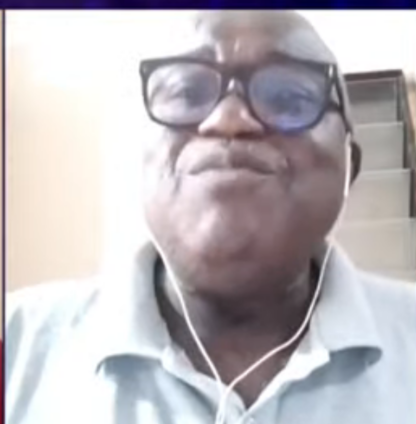
Senior Research Fellow at the Institute for Environment and Sanitation Studies (IESS) at the University of Ghana, Dr. Ted Nii Yemoh Annang, has called for a more comprehensive national approach to the demolition of structures obstructing waterways, arguing that isolated interventions will do little to address Ghana's recurring flood disasters.
Speaking on JoyNews' Newsfile on Saturday, July 11, Dr. Annang said authorities must move beyond targeting individual buildings and instead undertake a watershed-wide exercise that restores the country's natural drainage systems from their source to their outlets.
According to him, encroachment on rivers, streams and wetlands has developed gradually over many years, making piecemeal demolition exercises ineffective in reducing flood risks.
"The demolition should be extensive. It should be nationwide or watershed-wide because it started from a point and it started one by one," he said.
"If we are going to do it, it should go to the root, not just single structures standing in waterways."
Dr. Annang explained that flood management requires protecting the entire river basin rather than focusing only on visible obstructions within urban centres.
He noted that rivers function as interconnected systems made up of main channels, tributaries, wetlands and catchment areas, all of which play critical roles in conveying stormwater safely.
According to him, development that obstructs any part of these natural systems eventually disrupts the entire watershed and increases the likelihood of flooding downstream.
"The basin or the watershed, tributaries—all these are provided by nature to take care of the water that is flowing," he said.
He stressed that interventions aimed at reducing flood risks should therefore cover the full extent of affected watersheds rather than concentrating solely on individual structures located within major waterways.
The environmental researcher warned that attempts to block or alter natural watercourses through unregulated development are ultimately unsustainable.
He explained that when one section of a watershed is obstructed, floodwaters simply seek alternative routes, often causing damage in communities that may not previously have experienced severe flooding.
"If you block one side, the water will find its way sooner or later," Dr. Annang cautioned.
His remarks underscore concerns among environmental experts that continued development within wetlands, floodplains and drainage corridors is increasing pressure on Ghana's already constrained stormwater systems.
Dr. Annang also urged policymakers to take into account the growing impacts of climate change when designing flood mitigation measures.
"We should be careful. Climate change is real," he said.
According to him, changing rainfall patterns and more frequent extreme weather events make it even more important to preserve natural drainage systems and prevent further encroachment on environmentally sensitive areas.
He suggested that climate adaptation strategies should be integrated into urban planning, infrastructure development and environmental management to improve the country's resilience against future floods.
Dr. Annang maintained that safeguarding watersheds from continued encroachment is essential to reducing flood risks and protecting lives, property and infrastructure, particularly as climate change continues to intensify rainfall events across the country.
He argued that only a coordinated, nationwide effort to restore natural drainage systems and enforce environmental regulations can provide a lasting solution to Ghana's recurring flood challenges.
Latest Stories
-
PAC summons Takoradi doctor over GH¢341,229 study leave salary
7 minutes -
37 Military Hospital traders given 7-days to clear pedestrian walkway
12 minutes -
Wontumi challenges EOCO’s handling of Exim Bank loan dispute
18 minutes -
Government keeps appealing to striking teachers to resume work – Apaak
21 minutes -
Chief Justice urges employers to tackle mental health stigma in workplaces
24 minutes -
52,000 teachers’ promotion payments targeted for October 15
26 minutes -
Nzema chiefs honour Lands Minister, demand sustainable revival of Adamus Resources
30 minutes -
ExxonMobil return talks emerge as GIPA CEO holds back details
30 minutes -
Council of State meets teacher unions over strike today
36 minutes -
Ntim Fordjour appeals to Mahama to abandon regulation restricting preaching in buses
43 minutes -
Volta youth farmers commend Agric Minister, appeal for markets for cassava growers
49 minutes -
Mahama commissions expanded production line at Nestlé Ghana Ltd
54 minutes -
Chief of Staff urges journalists to uphold accuracy, fairness
59 minutes -
Mahama pays a working visit to Three Dreamer Manufacturing
1 hour -
Shell, Chevron sign exploration MoU as Petrobras eyes Ghana’s oil blocks
1 hour