

Audio By Carbonatix
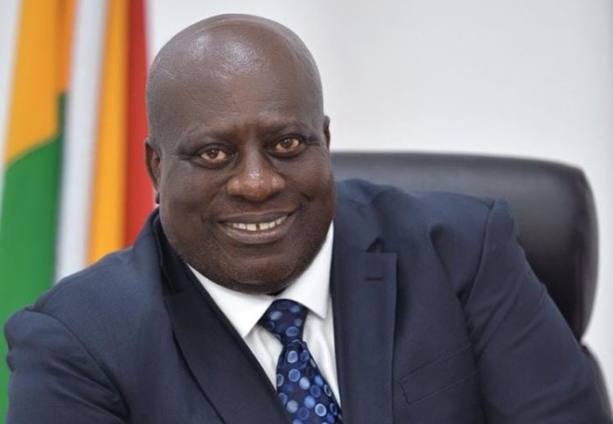
A former Chief Executive Officer for the Ghana Grid Company (GRIDCo), Jonathan Baah, says diversifying Ghana’s energy sources is one of the panaceas to the country's energy sector debts.
He said diversifying Ghana’s energy mix to include more renewable energy sources than thermal sources could reduce the cost of power generation, which is one of the major drivers of energy sector debt.
“Diversifying our energy mix to include more renewable energy sources such as solar, wind, and hydro can reduce reliance on expensive thermal power and enhance energy security. Investments in renewable energy should be accompanied by incentives and policies that can encourage private sector participation in generating electricity for the country,” he said.
Thermal generation accounts for the largest share of Ghana’s power generation, representing 66 per cent of Ghana’s thermal power generation, which is fuelled largely by natural gas but occasionally with light crude oil and diesel and 33 per cent of hydro.
The former CEO of GRIDCo said this during a training session organised by Energy News Africa to train journalists on the operations of the key players in the energy sector value chain.
Facilitators from the various departments and agencies in the energy sector took turns to educate the journalists on their duties and challenges.
Ing. Baah said delayed payments from government institutions and the high cost of producing power by the power generator also worsened the debt situation in the energy sector.
These challenges, he said, could be addressed through the implementation of cost-reflective tariffs that reflected the cost of the power generation and an effective payment schedule with the power generators, although such measures might face political challenges.
According to Edward Bawa, a member of the Energy Committee in parliament, the power sector is currently facing a $1.5 billion debt that the government is unable to pay.
Mr. Baah noted that technical losses through distribution losses by the Electricity Company of Ghana also occasioned the debt situation in the energy sector.
He said most of the infrastructure used in the distribution of electricity was old and inefficient, as it was installed as late as the 1960s.
He, however, advised the government to pursue strategic reforms and investments through enhancing and upgrading infrastructure and improving billing and metering systems to address technical and distribution losses.
Mr Baah also said effective management of the energy sector required strong government structures.
He emphasised that the strong government structure included a transparent regulatory framework and accountability mechanisms.
Latest Stories
-
Police arrest suspect over jewellery theft during fire outbreak
2 hours -
EOCO returns Hanan’s £6,700, GH¢2,750 and devices after defence challenge
2 hours -
Opplift Youth Entrepreneurs Summit 2026 equips entrepreneurs with skills, mentorship and support
2 hours -
Rival clubs want range of punishments for Man City
3 hours -
Tear gas in Paris and Marseille as school protests grow across France
3 hours -
Kane inspires England to win over Czech Republic in UEFA Nations League
3 hours -
Finland orders halt to work on two Google data centres
3 hours -
Substitute Merino scores twice as Spain win in Croatia
3 hours -
Ronaldo wants Portugal ‘punishment’ but not retiring
3 hours -
White House defends Trump comment to let Iran ‘take out’ LA and San Diego
4 hours -
Asos confirms hackers sent ‘unauthorised’ notification to app users
4 hours -
US televangelist Jim Bakker, disgraced from sex scandal and fraud, dies at 86
4 hours -
Congolese-born golfer to represent Ghana at Turkish Airlines World Cup grand final
4 hours -
Amazon wins global rights to stream Emmys in six-year deal
4 hours -
European Film Festival returns to Ghana after a 5-year break
4 hours