

Audio By Carbonatix
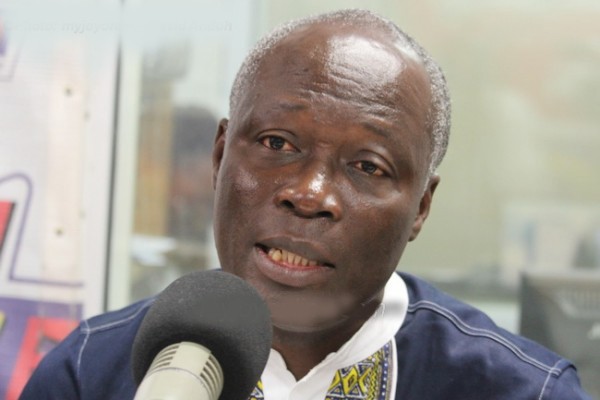
The National Coordinator of the District Road Improvement Programme (DRIP), Nii Lantey Vanderpuye, has appealed to Ghanaians to support the newly introduced GH¢1 fuel levy, cautioning that failure to implement the measure could result in a drastic 50% hike in electricity tariffs.
He made these remarks on Thursday, June 5, during an interview on Channel One TV, where he described the levy as a strategic intervention to safeguard the country’s energy stability.
According to Mr Vanderpuye, the fuel levy is a proactive step by the government to avoid passing the full financial burden of the energy crisis onto consumers through higher electricity bills.
“This levy is meant to resolve a problem we have created ourselves. Realistically, if we do not act now, we are looking at paying 50% more for electricity. It’s a matter of choosing between contributing one cedi now or bearing a far greater cost later,” he stated.
The GH¢1 charge, introduced under the Energy Sector Levy (Amendment) Bill, 2025, was approved by Parliament on June 3. It imposes a GH¢1-per-litre levy on petroleum products, with the government aiming to mobilise approximately GH¢5.7 billion.
The funds are intended to help clear ballooning debts in the energy sector and ensure the continued purchase of fuel for the country’s thermal power generation.
Finance Minister Dr Cassiel Ato Forson disclosed that the energy sector currently faces a staggering $3.1 billion debt, with a further $3.7 billion needed to settle outstanding obligations.
Additionally, an estimated $1.2 billion will be required to procure fuel for the 2025 financial year. These figures underscore the urgency of the government’s fundraising efforts.
Mr Vanderpuye insisted that the intention behind the fuel levy is not to unduly burden citizens but to stave off a possible return of erratic power supply—commonly known in Ghana as dumsor.
“It is either tariffs or taxes. We believe introducing this tax is the better option to ensure stable electricity without increasing tariffs,” he concluded, urging Ghanaians to consider the broader benefits of energy security.
Latest Stories
-
World Cup visa scandal: Mahama will act on corruption allegations – Abass Nurudeen
1 minute -
Abass Nurudeen accuses Minority of ‘scandal scavenging’ over World Cup visa controversy
3 minutes -
US Embassy recognised NSA, GFA and GTA as separate entities for visa applications – Sports Minister’s aide
9 minutes -
Only 30% of Ghanaian teachers satisfied with their jobs – CAPCOE data reveals
20 minutes -
Communities affected by construction of Akosombo Dam urge government to speed up compensation process
42 minutes -
World Cup visa scandal: Sports Ministry not shielding anyone – Sports Minister’s special aide
1 hour -
World Cup visa scandal: Over 30 people misrepresented as GTA board members to US Embassy – Vincent Assafuah alleges
1 hour -
Fire destroys wooden structure near Yesu Mo Villa at Bush Road
1 hour -
NDC threatens sanctions over oversized campaign posters, gives aspirants 5 days to comply
2 hours -
Star Oil paid GH¢2.7bn in taxes, levies in nine months of 2026
2 hours -
Samson’s Take: The rule of law is cheaper before the bulldozer
2 hours -
GRA blames system failure for delay in issuing receipt over passenger’s customs duty
3 hours -
Livestream: Newsfile discusses World Cup visa scandal, beach demolitions, education strikes, BRICS bid
3 hours -
NC-PTAs welcomes end of teachers’ strike, urges parents to prepare children for Monday
3 hours -
Government procures over 2,000 transformers as Ghana’s electricity access hits 89.13% – Energy Minister
3 hours