

Audio By Carbonatix
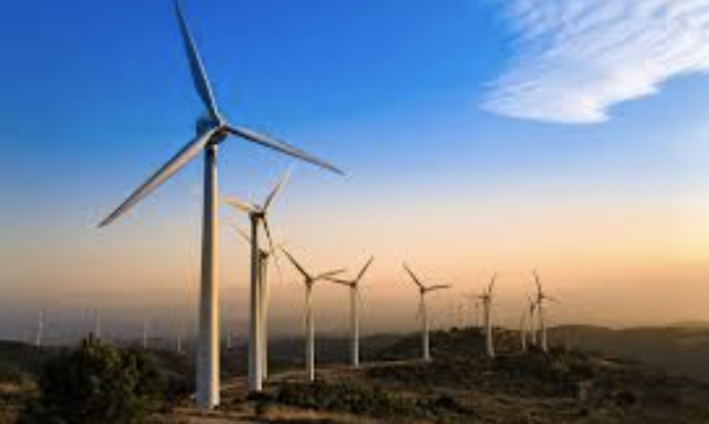
Ghana is seeking investors for wind and tidal wave energy potential to increase its renewable portfolio.
That will also increase the country’s total installed capacity to the national grid, serve more unserved communities, reduce greenhouse gasses in the energy sector, and hournor international commitments.
Mr Wisdom Ahiataku-Togobo, the Director at AT Consult, a sustainable Energy Consulting firm disclosed to the Ghana News Agency on the sidelines of the 15th session of the International Renewable Energy Agency (IRENA) in Abu Dhabi.
Under the theme, “Accelerating the Renewable Energy Transition – The Way Forward,” the two-day meeting brought together ministers and high-level delegates from IRENA’s 139 Member States, academia, development banks, chief executives and youth, to enhance wider, cross-sectoral collaboration on the energy transition.
Mr Ahiataku-Togobo hinted that studies on wind energy potential had been conducted at 13 areas of which results showed that the wind speeds ranged from good to moderate along the coast from Tema to Aflao.
“The necessary wind speed measurements have been done, locations where the wind speeds can easily be installed to give moderate to good power have been identified. It is now open for prospective investors to come and invest.”
“From the coast of Tema down to Aflao, the land is very plain, and there are no big tall trees, and no mountains on the way. So those were the areas that were found to have moderate to good wind speed and easy access for the installation of utility scale wind power plants,” he added.
The necessary policy instruments, Mr Ahiataku-Togobo said, had been put in place to attract investors in the sector.
Mr Ahiataku-Togobo who is the immediate past Director of Renewable Energy at the Ministry of Energy and the Bui Power Authority stated that the significant progress had also been made in the area of wave energy and that it would be included in the country’s energy mix in the immediate future.
“Wave energy potential was found around Ada through Anloga and Keta. It is not surprising because that section of the sea has strong waves and it is difficult for fishermen to go there for expedition,” he said.
“Indeed, there was a test wave energy plant installed and within three days the wave was so strong that it scattered the whole thing. The team of engineers are remodeling a more robust plant, which is almost done for testing.”
Mr Ahiataku-Togobo expressed the hope that the country by the close of the year (2025) would have the first five megawatts wave system in place.
In the sub-region, he said the country had done creditably well in the area of renewable energy explaining that 30 per cent of its energy was generated by Akosombo and Bui hydro dams while plans were in place to increase it by 10 per cent in the next five years.
Ghana’s total GreenHouse Gas (GHG) emissions recorded a three-fold increase, from 1990 to 2022, driven largely by energy sector growth, the latest Ghana’s Sixth National Greenhouse Gas Inventory Report by the Environmental Protection Agency has revealed.
Energy is dominated by fuel combustion; the sector’s emissions surged ninefold from 1990 to 2022.
In the same period, stationary combustion significantly increased by 847.0 per cent.
Both energy sources were driven by increased vehicle numbers and a shift from fuel oil to natural gas in electricity generation.
Similarly, GHG emissions from oil and gas also significantly increased due to the increased expansion of the industry (production and development) since commercialisation in 2012.
Since 2012, the emissions have risen by 498.9 per cent relative to the 2022 levels.
Mr Ahiataku-Togobo and other energy experts with deep insight in the sector told GNA that they were of the strong view that policy directions to increase renewable energy projects, the inclusion of nuclear power as the energy baseload would reduce emissions in the sector.
He said while increasing access to cheap power, it would support Ghana’s planned transition from fossil fuel powered vehicles to the use of electronic vehicles and encourage electric cooking.
“That will also mean reducing the poor air quality causing public health concerns and economic burden on people and the country,” he said.
Latest Stories
-
GRA welcomes Tribunal decision upholding US$393 million tax assessment
3 minutes -
COMAC says Uniform Fuel Pricing Fund should not be confused with fuel subsidy
12 minutes -
Mercy Ships targets over 2,000 surgeries, 3,500 dental treatments during Ghana mission
14 minutes -
NITA appoints ShaQ Express founder Anthony Owusu-Ansah as Acting Deputy DG
20 minutes -
Government moves to compel public institutions to buy food from Ghanaian farmers
26 minutes -
‘Baffour Awuah won’t die in EOCO’s detention, even if he dies there, that’s okay for us’ – John Boadu
30 minutes -
OccupyGhana calls for parliamentary scrutiny of EOCO, BNI powers
36 minutes -
Mahama calls for continued care for Mercy Ships patients after surgeries
41 minutes -
NDPC DG calls for stronger financing, accountability to improve nutrition outcomes
47 minutes -
Over 130 courts are without magistrates – JUSAG
56 minutes -
SWAG calls on GFA leadership to fix Ghana football or step aside
1 hour -
Gender Ministry launches breast cancer campaign, pushes support over stigma
1 hour -
Feed Ghana Programme cuts food import dependence
1 hour -
Mahama welcomes Global Mercy Hospital Ships back to Ghana
1 hour -
Tourism Minster calls for improved maintenance, consistent storytelling at tourist sites
1 hour