

Audio By Carbonatix
President John Dramani Mahama has delivered a sombre assessment of Ghana’s economic condition.
He described the nation as “broken on many fronts” due to excessive debt and financial mismanagement.
Speaking in Parliament during his first State of the Nation Address (SONA) in his second term on Thursday, 27th February, he highlighted the nation’s economic struggles, attributing them to unsustainable debt levels and poor governance of state institutions.
Mr Mahama revealed that Ghana’s public debt has escalated to GH¢721 billion, posing a severe threat to the country’s financial stability.
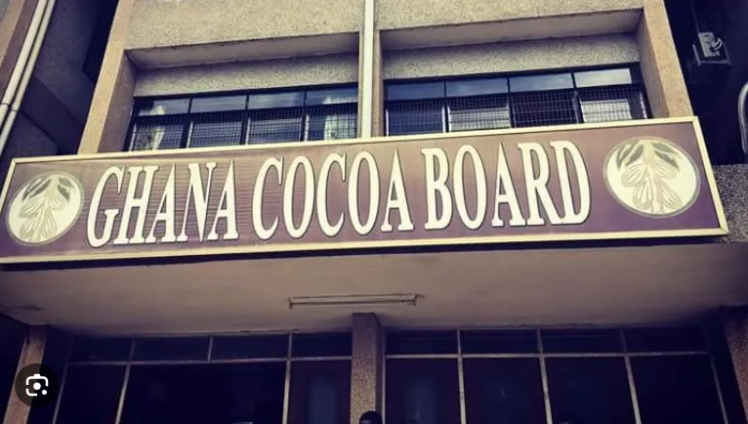
He expressed concern over the dire state of key state-owned enterprises, particularly the Electricity Company of Ghana (ECG) and the Ghana Cocoa Board (COCOBOD), both of which are burdened with significant debt and struggling to sustain their operations.
“We are burdened with staggering debts and clear evidence of, in some cases, deliberate and reckless mismanagement of our resources,” Mahama stated.
“The national debt now stands at an alarming GH¢721 billion, while several state-owned enterprises are also deep in debt, worsening our economic woes.”
He further disclosed that ECG alone has accumulated a debt of GH¢68 billion, raising concerns about its ability to provide reliable electricity services.
Meanwhile, COCOBOD, a vital institution in Ghana’s cocoa industry, owes GH¢32.5 billion, with GH¢9.7 billion due for repayment by September 2025.
The president warned that this financial crisis is not only a sign of poor economic management but also a serious threat to the well-being of ordinary citizens.
He emphasised the urgent need for comprehensive financial restructuring, improved fiscal discipline, and transparent governance to stabilise the economy and prevent further deterioration.
The President assured Ghanaians that his administration is committed to addressing these challenges and implementing policies aimed at restoring economic confidence.
He reaffirmed his government’s dedication to prudent financial management, ensuring that national resources are utilised effectively for long-term growth and stability.
Latest Stories
-
How healthy is Ghana’s health sector?
4 minutes -
HACSA Tech4Girls graduates 80 young women with digital and technology skills
5 minutes -
Arrest of Manhyia South MP should involve Parliament, not police station – Kpebu
37 minutes -
Two Nigerians sentenced to 189 months in US prison over $2.4m cyber fraud
1 hour -
Cristiano Ronaldo leaves Portugal’s training camp after rift with Head Coach
1 hour -
Ghana Energy Awards opens nominations for landmark 10th anniversary edition
1 hour -
Aayalolo contra-flow: Are we treating the symptom instead of the disease?
1 hour -
GTEC orders Colleges of Education to begin 2026/2027 admissions despite fees approval delay
1 hour -
Legal reforms must solve real problems, improve justice – Bagbin
1 hour -
Ofori-Sarpong named Alumni President of the Year, honoured for PRESEC dormitory project
2 hours -
Germany commits $132m to Ghana for skills development and training university – Pelpuo
2 hours -
‘Influence should go beyond visibility’ – Taadi Banyinba GH launches The TB Impact
2 hours -
Videos: Government announces emergency LEAP package for Hohoe flood victims
2 hours -
Salomey Baffoe’s children are crying for their mother – Family appeals for her release
2 hours -
Shortage of trained investigators and prosecutors hampers Ghana’s fight against money laundering – Report
2 hours